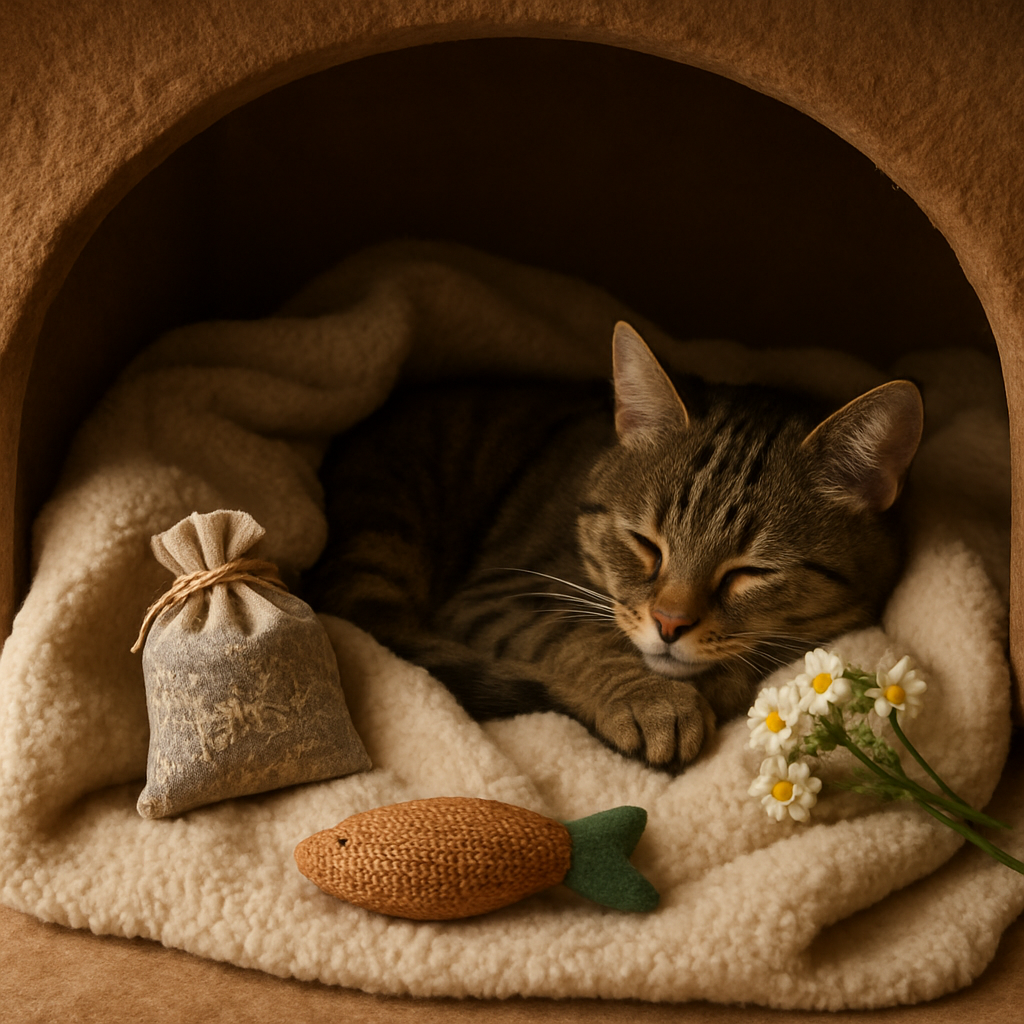
Ever caught your cat staring at an empty corner, ears flattened, tail twitching, and wondered what’s going on inside that fuzzy head?
You’re not alone—most pet parents have faced that tense moment, and the good news is there are gentle, chemical‑free ways to help.
When we talk about natural remedies for cat anxiety, we mean things you can find in your kitchen, garden, or a calming corner you create at home.
Think about the last time you felt a little jittery—maybe a loud thunderstorm or a crowded vet visit. Your cat senses that vibe, too, and it can turn a simple nap into a nervous shuffle.
One of the easiest natural tricks is a sprinkle of lavender or chamomile—just a few drops on a cloth near their favorite perch can create a soothing scent without overwhelming their sensitive noses.
Another go‑to is catnip—yes, the same plant that sends many felines into a happy frenzy, but in small, measured amounts it can actually calm the nervous ones, especially when paired with a soft blanket.
We’ve also seen success with pheromone diffusers; these plug‑in devices release a synthetic version of the feline facial pheromone that signals “I’m safe,” and they’re totally drug‑free.
If your home tends to be noisy, consider a white‑noise machine or a gentle playlist of classical music—soft piano can lower a cat’s heart rate as much as a calming treat.
And don’t underestimate the power of routine: feeding, playtime, and a consistent bedtime signal to your cat that the world is predictable, which cuts down on stress.
In our experience, combining a calming scent with a predictable schedule creates a one‑two punch that most cats respond to within a few days.
If you’re looking for a quick win, try placing a small, sealed sachet of dried valerian root near the litter box—many cats find the mild aroma strangely relaxing.
Remember, every cat is an individual; what works for your tabby might not work for your tuxedo, so keep a short journal of what you try and how they react.
And if you ever feel stuck, the community at Kaotik kollectionz often shares DIY tips and product suggestions that stay completely natural—no prescription meds needed.
So, what’s the next step? Grab a calming herb, set up a quiet nook, and watch your feline friend start to relax, one gentle breath at a time.
Looking for quick, drug‑free ways to calm your jittery feline? With natural remedies for cat anxiety—like soothing scents, calming herbs, white‑noise playlists, and steady routines—you can create a peaceful nook that eases stress in just a few days.
We’ve seen cat lovers keep simple journals, swap tips in the Kaotik kollectionz community, and notice calmer paws and softer purrs, proving that a little natural care goes a long way toward happier homes.
Ever watched your cat stare at a patch of sunlight, ears twitching, then suddenly flop over as if the world just got a little softer? That sudden shift can be the result of a calming herb doing its quiet work. In the realm of natural remedies for cat anxiety, three plants keep showing up in our journals: catnip, valerian root, and chamomile.
First, let’s talk catnip. Most people picture a frenzied tumble of paws and a wild sprint, but when you dose it just right—tiny sprigs tucked into a plush toy or a sealed sachet near a favorite perch—many cats actually settle down. The active compound, nepetalactone, binds to olfactory receptors and can trigger a mild, soothing response in felines who are genetically receptive. If your kitty seems to bounce off the walls after a catnip session, try cutting the amount in half and offering it during a calm part of the day.
We’ve found a simple routine works best: a few dried leaves in a small fabric pouch, placed on the windowsill where the cat can sniff but not overindulge. Rotate the pouch every 24‑48 hours so the scent stays fresh but not overwhelming. And remember, about 30‑40% of cats simply don’t react to catnip at all—so if yours is one of the unresponsive crowd, move on to the next herb.
Next up: valerian root. It smells a bit like aged cheese, which might sound off‑putting, but cats love it. A sealed sachet of dried valerian tucked near the litter box or a cozy corner can create a calming ambiance that mimics the scent of a mother cat’s fur. In our experience, a single teaspoon of dried root per day is enough to coax a nervous cat into a more relaxed state.
Start with a tiny pinch in a breathable bag—think of a tea infuser. Let it sit for a few minutes, then place it where your cat likes to nap. If you notice a slight increase in curiosity rather than calm, give it a few hours before trying again. The key is consistency; a regular, low‑dose scent cue can become a signal that it’s safe to unwind.
Chamomile is the third player, and it’s the gentlest of the trio. A warm cup of chamomile tea (unsweetened, of course) can be cooled and then sprayed lightly on a soft blanket. The mild, floral aroma has a known calming effect on both humans and cats, slowing heart rate and easing jittery nerves. A couple of sprays on a favorite hideaway can turn a high‑energy corner into a mini‑spa for your feline.
Here’s a quick recipe: brew one tea bag in a cup of hot water, let it steep for five minutes, then cool completely. Transfer the liquid to a spray bottle and mist a piece of fleece or a cat cave. Test the scent first—if your cat flinches, dilute with a bit more water. You’ll often hear a soft purr settle in as the aroma takes effect.
So, what’s the best way to blend these herbs without turning your living room into a herb garden? Think of them as a layered playlist. Start the day with a tiny catnip teaser during playtime, add a valerian sachet in the evening as the house winds down, and finish with a chamomile‑spritzed blanket before bedtime. The progression mirrors how we humans use music to shift moods, and cats pick up on those subtle scent cues.
And just because we love a good experiment doesn’t mean you have to go it alone. Our Kaotik kollectionz community often shares DIY herb blends, and you’ll find plenty of tips in the comment threads about measuring doses and storing herbs safely. A little journal entry—date, herb used, cat’s reaction—can help you fine‑tune the perfect calming cocktail for your unique fur‑friend.
While the video walks you through a step‑by‑step herb setup, remember that every cat’s nose is its own compass. If one scent feels too strong, back off a little and try a different combination. Patience is part of the process, and the reward—watching your cat stretch, purr, and finally settle into a contented sigh—is worth the experiment.
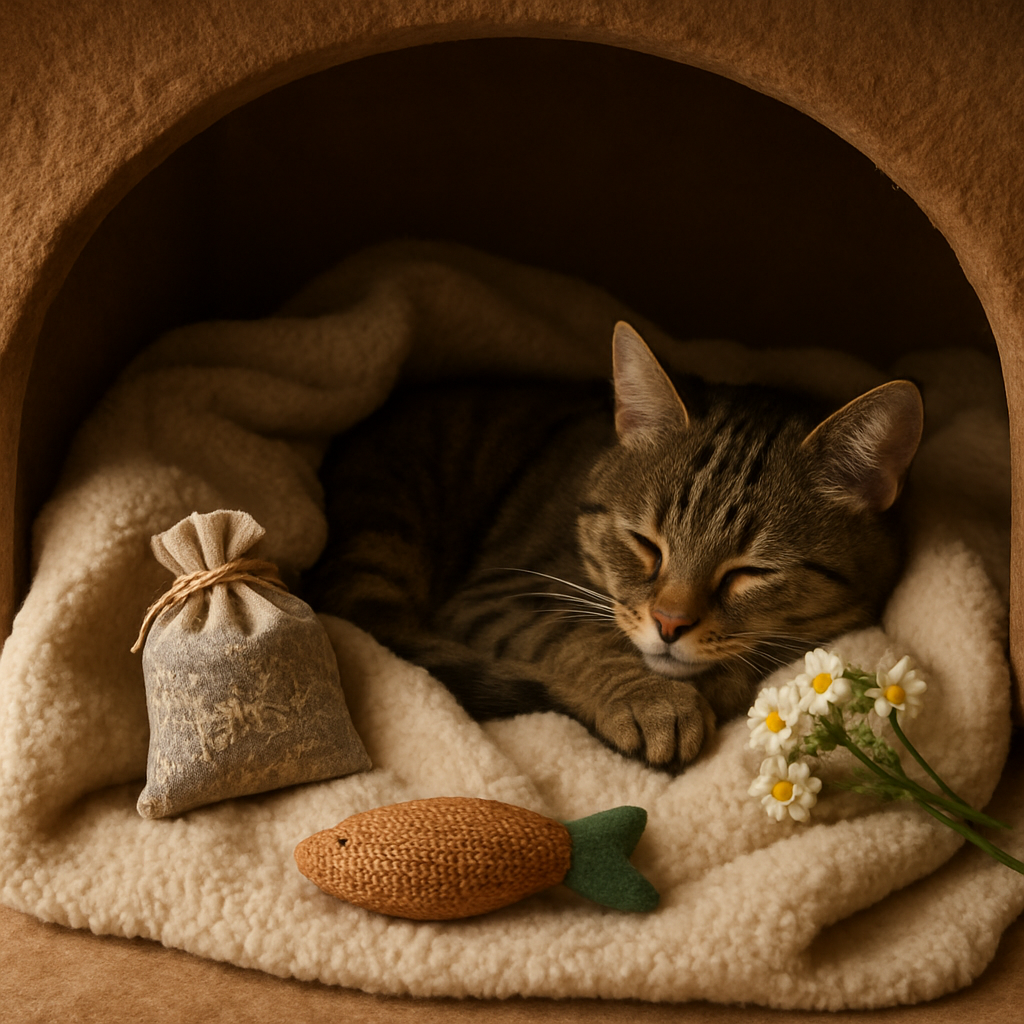
Bottom line: herbal calmatives aren’t magic pills; they’re subtle environmental cues that help your cat feel safe. By introducing catnip, valerian, and chamomile in measured, rotating doses, you create a scent‑rich routine that tells your cat, “It’s okay, you’re home, you can relax.” Give it a week, observe the changes, and adjust as needed. You’ve got the tools—now let the herbs do the soothing.
Ever caught your cat pacing the hallway, ears flat, as if the world’s a little too loud? You’ve probably wondered if there’s a gentle, drug‑free way to coax them back into a calm groove.
What if you could whip up a tasty treat that doubles as a tiny dose of natural remedies for cat anxiety, right from your kitchen?
In this how‑to, we’ll walk through three easy recipes—two treat‑based, one supplement‑style—and give you a quick checklist so you can feel confident you’re doing it right.
First, let’s raid the pantry and herb drawer. You’ll need:
If you’re unsure which herb your feline likes, think back to the sachet experiment earlier. A quick sniff test can save you a batch of wasted treats.
Step 1: Shred about ½ cup of cooked meat into tiny pieces. The finer, the easier it blends with the flour.
Step 2: In a small bowl, whisk ¼ cup oat flour with a pinch (≈¼ tsp) of your chosen dried herb. The herb’s scent will be subtle enough to keep the treat palatable but strong enough to work its calming magic.
Step 3: Add the meat, then drizzle in a tablespoon of broth if you like. Mix until you have a sticky dough that holds together when pressed.
Step 4: Roll the dough into bite‑size balls—about the size of a pea. If the mixture feels dry, sprinkle a few drops of water; if it’s too wet, dust a little more flour.
Step 5: Place the balls on a parchment sheet and bake at 300°F (150°C) for 15‑20 minutes, or until they’re firm to the touch. Let them cool completely before storing.
These treats can be given as a small “calm snack” after a stressful event, like a vet visit or a thunderstorm. A single treat is enough; you’ll quickly see if your cat’s tail stays low and relaxed.
Not every cat loves a crunchy bite, and sometimes you just want a quick sprinkle. Here’s a simple supplement you can add to their regular wet food:
Because we’re dealing with potent aromatics, keep the dosage tiny. Too much can be overwhelming, and you don’t want your cat to develop an aversion.

Before you stash those treats in the pantry, run through this quick safety list:
In our experience at Kaotik kollectionz, pet parents who keep a simple log often spot patterns faster—like “valerian works best after bedtime” or “chamomile helps during fireworks.” That tiny habit can turn trial‑and‑error into a reliable routine.
So, grab those herbs, preheat the oven, and give your cat a calm‑boosting treat they’ll actually enjoy. You’ll likely hear fewer frantic meows and see more slow, satisfied tail flicks in no time.
Ever caught your cat staring at a blank wall, ears flattened, tail twitching like a tiny metronome? That nervous little dance is often a sign that something’s rattling their inner calm.
First, it helps to remember that cats are hard‑wired for routine. When their world shifts—whether it’s a new piece of furniture, a louder dishwasher, or even a sudden change in feeding schedule—they can go into fight‑or‑flight mode, even if the “threat” is just a cardboard box being moved.
Change is the biggest trigger. A move to a new home, a renovation, a new baby, or even a neighbor’s dog barking at odd hours can tip the balance. Health issues play a sneaky role, too; arthritis, dental pain, or a gut upset can make a usually chill kitty irritable. Sensory losses—like hearing or vision decline—leave them feeling vulnerable, and past traumas (abuse, neglect, rescue stress) can set a long‑term alarm bell.
We’ve seen pet parents point out that a sudden “hide‑and‑seek” session under the couch often follows a loud thunderstorm or a trip to the vet. In those moments, the cat’s environment feels unpredictable, and their stress hormones spike.
And let’s not forget social stressors. Introducing a new cat or dog without a slow, scent‑swap intro can spark territorial anxiety. Even a well‑meaning guest can overwhelm a shy feline if they’re not given a quiet retreat.
Because cats can’t tell us “I’m stressed,” we read their body language. Excessive grooming that leads to bald patches, frantic pacing, or sudden bursts of energy followed by long naps are classic red flags. You might notice a tighter tail wrapped around the body, ears flattened back, or a low‑key tremor in the whiskers.
Hiding is another big one—if your cat suddenly retreats to the laundry basket or under the bed and refuses to come out, that’s a distress signal. Vocalizations can go from occasional chirps to nonstop meowing, especially at night.
Changes in appetite are subtle but important. Skipping a meal or grazing on food for hours can mean the cat’s nervous system is in overdrive. And for many, anxiety shows up as inappropriate elimination—spraying, peeing outside the litter box, or even vomiting.
Physical signs aren’t just behavioral. A cat under chronic stress may develop a sore jaw from teeth grinding, or you might see a slight rise in respiratory rate when they’re “calm” because the underlying anxiety is still humming.
So, how do you spot the pattern? Keep a short journal: note the time of day, what was happening in the house, and any changes you observed. Over a week, you’ll start to see connections—maybe the anxiety spikes when the vacuum runs, or when you leave for work earlier than usual.
Understanding the root triggers lets you pair them with the right natural remedies for cat anxiety. For example, if a new pet is the stressor, a calming herb like valerian placed near the shared feeding area can help both cats settle. If the anxiety spikes around loud noises, a few drops of chamomile hydrosol on a soft cloth can create a soothing scent shield.
And when the cause is medical—say, arthritis—you’ll want to address that first with a vet visit, then layer in calming aids such as pheromone diffusers or a gentle CBD oil formulated for cats, as described by experts at Small Door Veterinary. The combination of treating the source and supporting the nervous system often yields the quickest calm‑up.
Bottom line: anxiety isn’t “just a phase.” It’s a signal that something in your cat’s environment or body needs attention. By learning the common triggers and the subtle symptoms, you give yourself the power to intervene early—whether that means rearranging a rug, adding a safe hideaway, or introducing a natural calming aid.
Take a moment tonight to scan the room: is there a new scent, a louder hum, or a missing perch? Spotting one piece of the puzzle can set the stage for a calmer tomorrow.
Ever wonder if a whiff of lavender could actually calm your jittery feline, or if you might be doing more harm than good? The short answer: some scents can be soothing, but many popular “relaxation” oils are outright toxic to cats.
Because cats process chemicals differently than we do, we have to be extra careful when we bring aromatherapy into the house. In our experience at Kaotik kollectionz, the safest route is to stick with a few vetted, low‑risk options and always keep the concentration super light.
First, let’s clear up a common myth: just because an oil is “natural” doesn’t mean it’s cat‑friendly. Essential oils like tea tree, eucalyptus, peppermint, and citrus are notorious for causing respiratory irritation, liver strain, or even seizures in cats.
On the flip side, a handful of botanicals have a long history of gentle use with felines. The most frequently recommended are:
Even these “safe” oils need to be diluted at least 1% (about one drop in a tablespoon of carrier oil) before you let a scent reach your cat’s nose.
When you shop for an oil, look for “therapeutic grade” or “food grade” labels. Those terms don’t guarantee safety, but they usually mean fewer additives. A carrier oil like fractionated coconut or sweet almond helps spread the scent and cuts the potency.
Here’s a quick checklist you can keep on the fridge:
If any of those answers are “no,” it’s best to walk away.
Diffusing is the most common method, but you have to treat a cat‑diffuser like a fire alarm – never leave it running unattended. Set the timer for 10‑15 minutes, then step out of the room and close the door. This gives a gentle scent cloud without overwhelming the kitty.
Another low‑risk option is a “scent sachet.” Take a small muslin pouch, add a pinch of dried lavender buds or a single drop of diluted oil, and tuck it near (but not inside) the cat’s favorite perch. The scent will linger subtly, and you can pull the pouch out the moment you notice any signs of irritation (sneezing, pawing at the face, or restlessness).
Never apply essential oils directly to your cat’s skin or fur. Their grooming habits mean they’ll ingest anything you rub on them, and even a tiny amount can be dangerous.
Here are three beginner‑friendly mixes that have worked for many of our readers. Remember to keep each blend under 1 % concentration and store it in a dark glass bottle.
To use, place a single drop of the diluted blend on a cotton ball, set the ball on a low shelf, and let the scent drift. Check after 15 minutes – if your cat seems curious and relaxed, you’ve hit the sweet spot. If they start sniffing aggressively or walk away, remove the ball and give them a break.
Does this really work? In our community, pet parents have reported fewer frantic pacing episodes and more settled grooming sessions after a week of consistent, low‑dose aromatherapy. Of course, results vary, so keep a simple journal: note the blend, location, duration, and your cat’s behavior. Patterns will emerge faster than you think.
One final tip: always have fresh water and a safe hiding spot available. Aromatherapy is a supportive tool, not a replacement for a stable routine, proper nutrition, or a vet‑approved health plan.
If you’re curious about ready‑made, cat‑safe aromatherapy kits, Kaotik kollectionz offers a curated line that follows these exact dilution guidelines – no guesswork, just peace of mind.
So, what’s the next step? Pick a single oil, dilute it properly, set a short diffuser session, and watch your cat’s reaction. Adjust as needed, and you’ll have a gentle, natural remedy for cat anxiety that feels as easy as lighting a candle… without the fire risk.
Ever notice your cat pacing the hallway right after you rearrange a piece of furniture? That tiny flash of unease is often a signal that their world feels a bit off‑balance.
We’ve learned that a well‑designed environment and a predictable daily rhythm are among the most powerful natural remedies for cat anxiety. When the space feels safe and the schedule feels steady, your feline can focus on the simple joy of being a cat instead of constantly scanning for threats.
Pick a low‑traffic spot—maybe the top of the cat tree or a quiet window ledge—and turn it into a dedicated retreat. Add a soft blanket, a few cat‑safe toys, and a breathable sachet of dried lavender or chamomile. The subtle scent acts like a background hum, not a punchy perfume.
Why does this work? Cats love to observe from a safe perch. Giving them one place where everything stays the same reduces the need to constantly re‑evaluate their surroundings.
Interactive puzzles, feather wands, and cardboard forts are fantastic, but the trick is to change them every few days. A rotating schedule keeps the brain engaged without turning the room into a chaotic obstacle course.
For example, day one you might hide a treat inside a crinkly tunnel; day three you swap in a motion‑activated toy. The novelty keeps stress hormones in check while still feeling natural.
Cats are creatures of habit. Try to feed at the same times each morning and evening, follow with a short 5‑minute play session, then let them retreat to their calm corner. The sequence sends a clear message: “We’re safe, and now it’s time to relax.”
Even a tiny ritual—like tapping the food bowl twice before filling it—creates a predictable cue that eases nervous anticipation.
Soft classical music or a white‑noise machine can mask sudden household sounds that trigger anxiety. Keep the volume low, just enough to act as a soothing backdrop.
Many cat lovers swear by a playlist of slow piano pieces; the steady rhythm mirrors a cat’s own heartbeat, helping them settle faster.
Fireworks, thunderstorms, or a new baby in the house can spike stress. During those peaks, add an extra layer of enrichment—like a short diffusing session with a drop of diluted lavender near the calm corner—or extend the playtime by a few minutes.
Remember to watch your cat’s body language. If they start to sniff aggressively or retreat, dial back the scent or lower the volume of any background noise.
| Focus Area | Action | Tip |
|---|---|---|
| Calm Corner | Designate one quiet perch | Add a breathable herb sachet |
| Enrichment Rotation | Swap toys/puzzles every 2‑3 days | Keep a simple inventory list |
| Routine Sync | Feed → Play → Rest at consistent times | Use a small cue (tap bowl) before meals |
Putting these pieces together feels a lot like building a puzzle—each piece on its own helps, but the full picture brings real peace.
So, what’s the next step for you? Pick one corner of your home, add a soft blanket and a tiny scent sachet, and start timing your meals and play sessions. In a week you’ll likely notice fewer frantic sprints and more mellow kneading sessions.
And if you ever need inspiration for cat‑safe scents or ready‑made enrichment kits, the Kaotik kollectionz shop curates options that fit right into this routine without any guesswork.
We’ve walked through scents, herbs, toys, and routines, all aimed at one thing: easing your cat’s nerves without a prescription.
So, what’s the bottom line for natural remedies for cat anxiety? First, pick a single scent or herb, keep the dose tiny, and watch how your feline reacts. If the lavender sachet soothes, make it a permanent fixture in the calm corner. If valerian sparks interest, rotate it near the litter box for a few days.
Second, pair the aroma with a predictable schedule. Feed, play, then retreat to the same cozy perch every day – that rhythm tells your cat the world is steady, even when outside sounds roar.
Finally, keep a simple journal. Jot down the product, location, and your cat’s behavior for 48‑72 hours. Patterns pop up fast, and you’ll know exactly what works for your fur‑friend.
Pick one natural remedy, set up a calm corner, and give it a week. You’ll likely notice fewer frantic sprints and more slow, contented kneading. And when you’re ready for ready‑made kits, the Kaotik kollectionz shop has curated options that fit right into this routine.
Remember, small tweaks add up. With a little patience and the right natural tools, you can turn anxiety into calm – one gentle breath at a time.
When it comes to calming a jittery feline, the least risky options are dried herbs and pheromone diffusers. A tiny sealed pouch of lavender, chamomile, or valerian placed near a favorite perch gives a gentle scent that most cats tolerate well. You can also try a plug‑in feline‑specific pheromone diffuser – it releases a synthetic version of the facial pheromone cats use to mark safe territory. Keep doses tiny and watch the reaction.
Start slow. Take a pinch of dried valerian root (about a quarter teaspoon) and tuck it into a breathable muslin sachet. Put the sachet on a low shelf or inside a cat‑friendly pillow, but out of direct reach. Let your cat sniff it for a few minutes; if they linger or purr, you’ve hit a sweet spot. If they sniff and walk away, move the pouch farther away or reduce the amount. The key is a gradual rollout, not a full‑blown herb bomb.
Essential oils are a mixed bag. The only oils that have any track record of being low‑risk are highly diluted lavender, chamomile, and frankincense – and even those should be at 1 % concentration or less. Mix one drop of oil into a tablespoon of carrier oil, then place a single drop on a cotton ball and set it near (but not in) your cat’s favorite spot. Never apply oil directly to fur or skin, and stop immediately if you notice sneezing, pawing, or restlessness.
Cats can get desensitized to a scent after a few days of constant exposure. A good rule of thumb is to use a particular herb or oil for 2‑3 days, then give it a 24‑hour break before reintroducing it. You can also rotate between lavender, valerian, and chamomile every week to keep the novelty factor alive. Keep a simple journal – note the date, scent, location, and your cat’s behavior – so you can spot patterns without guessing.
If the remedy is helping, you’ll notice slower tail flicks, longer stretches, softer purrs, or a willingness to stay in the area where the scent is placed. On the flip side, watch for signs of overstimulation: excessive grooming, rapid breathing, pawing at the face, or a sudden retreat from the spot. If any of those appear, remove the scent, give your cat a calm break, and consider lowering the dose or trying a different herb.
For most healthy adult cats, low‑dose herbs and pheromone diffusers are generally safe to try on your own. However, if your cat has underlying health issues – kidney disease, hyperthyroidism, or a history of seizures – it’s smart to run it by your vet first. A quick check‑in can confirm the remedy won’t interfere with medication or exacerbate a condition, and it gives you peace of mind as you experiment.







Leave a comment