Ever walked into a quiet house and felt that little thump of your cat’s heart racing behind the closed door? It’s that uneasy feeling you get when your furry friend is left alone, and you wonder how to calm a cat with separation anxiety before the stress turns into a full-blown panic attack.
First, let’s acknowledge the guilt that creeps in – you love your cat, you want to be there, but life sometimes pulls you away. That guilt can actually amplify the kitty’s anxiety, creating a feedback loop that feels impossible to break.
What we’ve seen work best is to start small. Set a timer for five minutes and leave the room, then reward your cat with a gentle pet or a tasty treat when you return. Those short, predictable exits teach your feline that good things still happen after you’re gone.
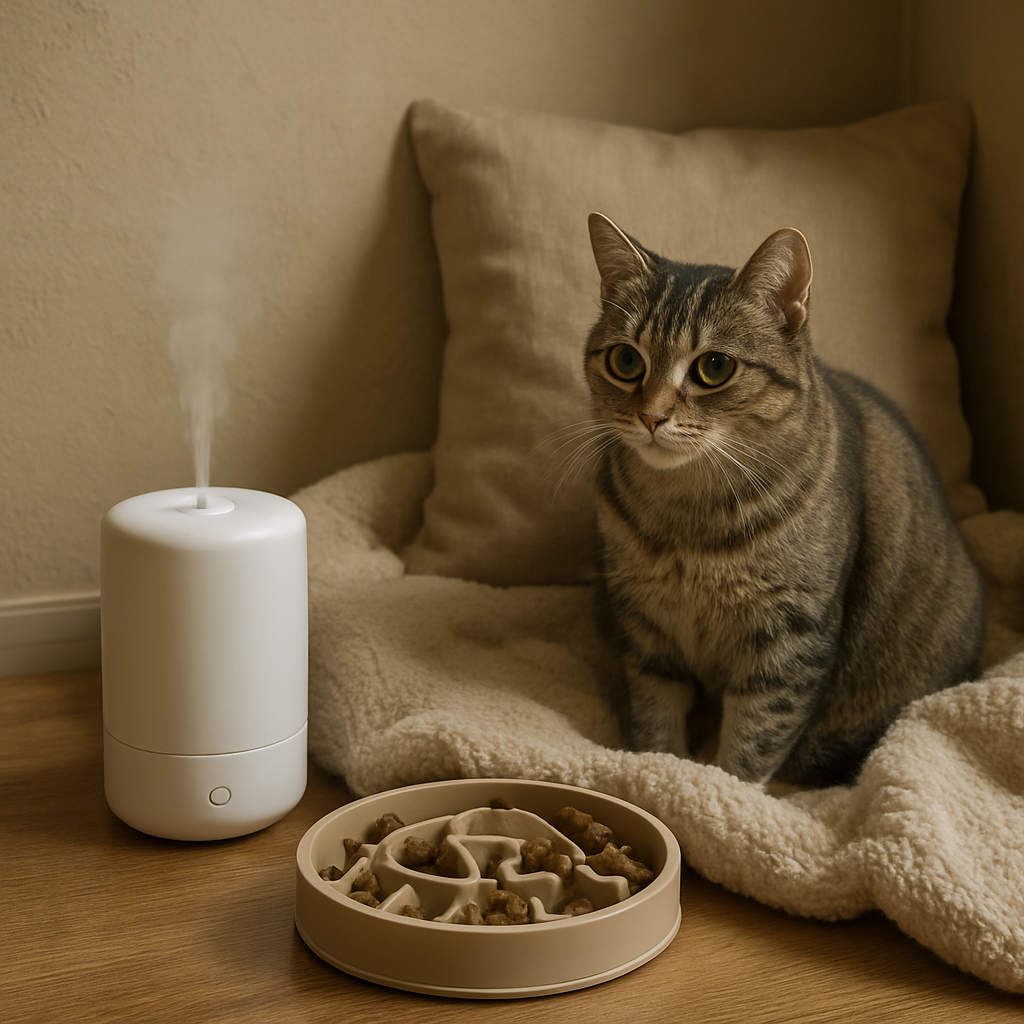
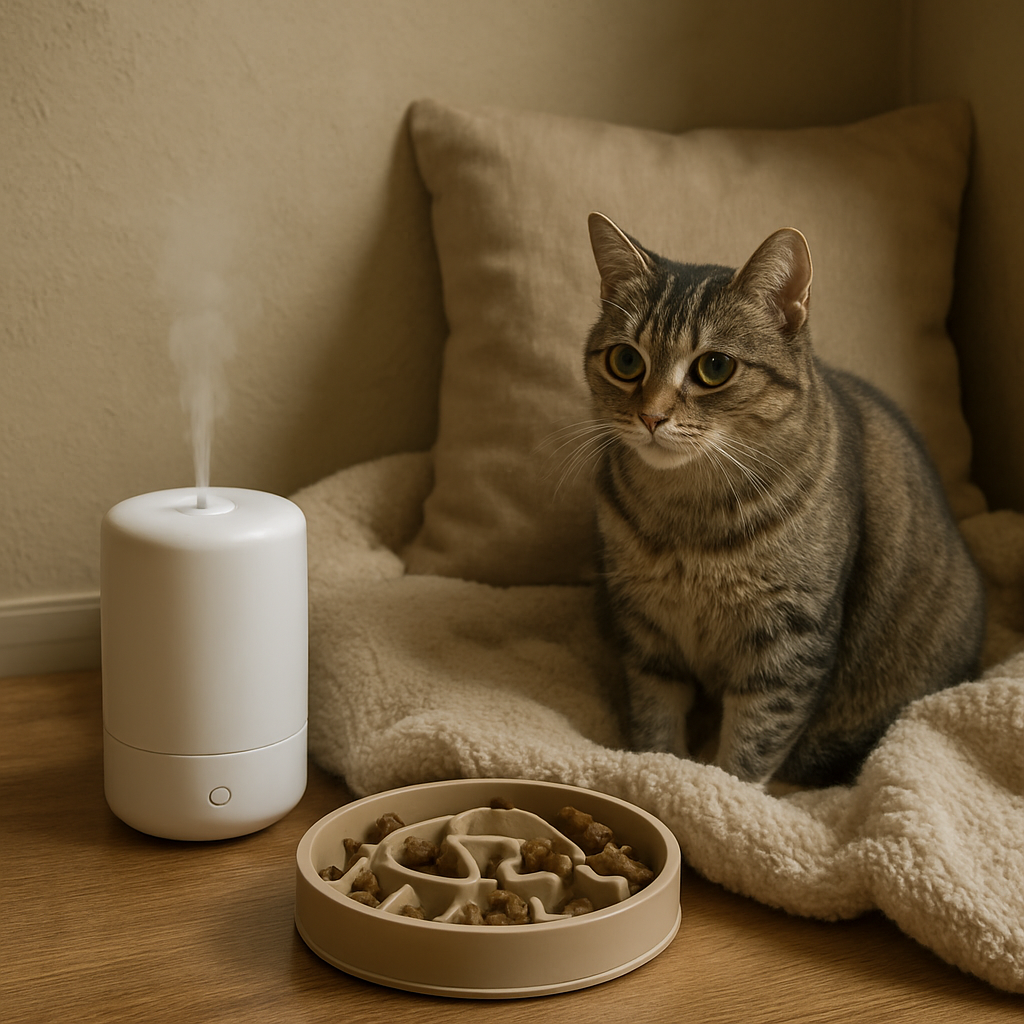
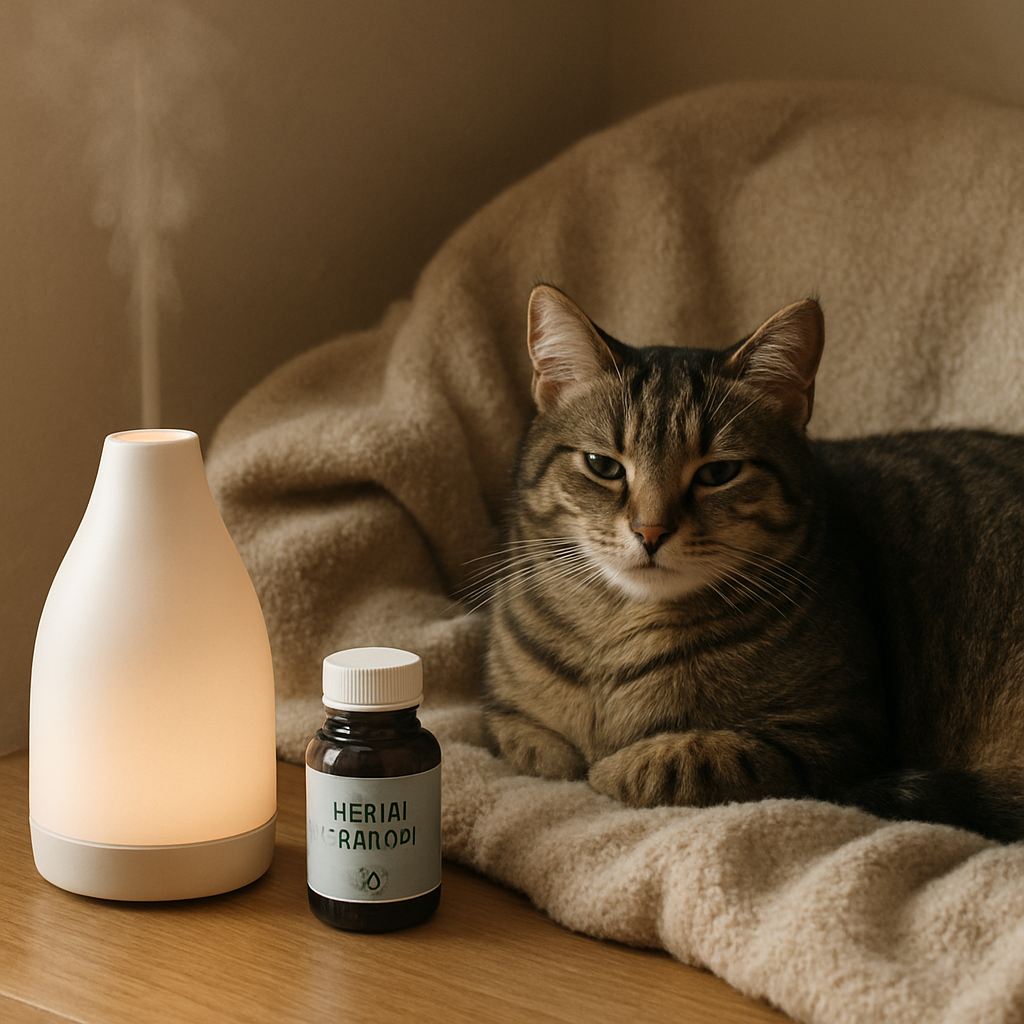
Another tip is to create a ‘comfort corner’ – a cozy nook with a favorite blanket, a low‑noise white‑noise machine, and maybe a pheromone diffuser. When the space smells familiar, your cat associates it with safety, making the waiting period less stressful.
You can also enrich the environment with puzzle feeders or interactive toys that keep your cat’s mind occupied while you’re out. The mental workout distracts them from the absence and channels that nervous energy into play, which often reduces vocalizations and destructive behavior.
If you notice your cat still seems on edge, consider a short trial of a natural remedy like a calming spray or a low‑dose herbal supplement. In our experience, products that contain valerian or L‑theanine can soothe the nervous system without the side effects of prescription meds.
So, what’s the next step? Start with those five‑minute exits, set up a comfort corner, and watch how your cat’s confidence grows day by day. Soon you’ll both be able to enjoy those moments apart without the anxiety drama.
Learn how to calm a cat with separation anxiety using short exits, comfort corners, puzzle toys, and gentle natural remedies that rebuild confidence. Start with five‑minute departures, reward calm behavior, and gradually extend time so your feline feels safe even when you’re out of sight and secure in your home.
Ever caught your cat staring at the door like it’s the finish line of a race? That nervous stare is often the first clue that they’re feeling the sting of separation anxiety. Before you can calm a cat with separation anxiety, you have to know what to look for.
Here’s what I mean: your feline might start meowing louder than usual, pacing the hallway, or even trying to follow you from room to room. Those behaviors are the cat‑equivalent of a human’s sweaty palms before a big presentation.
Look for excessive grooming – cats will lick themselves until they’re a little bald, trying to self‑soothe. You might also notice flattened ears, a tucked‑in tail, or a hunched posture. If your kitty suddenly becomes a little bit clingy, hovering near you even when you’re just grabbing a snack, that’s another red flag.
And what about the bathroom? Some cats will start urinating outside the litter box as a stress‑relief outlet. It’s not mischief; it’s a desperate attempt to mark safety.
Does your cat become hyper‑vigilant, ears swiveling at the slightest sound? Or maybe they hide under furniture the moment you reach for the front door. These are classic anxiety triggers. Pay attention to how often these patterns repeat – a single episode might be a freak moment, but a daily routine? That’s a pattern.
But don’t forget the subtle stuff: a sudden loss of appetite, or a sudden burst of energy right before you leave. Those are the cat’s way of saying, “I don’t know what’s happening, so I’m either trying to distract myself or I’m trying to get all the love before you go.”
So, how do you actually spot these signs? Grab a notebook, and for a week, jot down the time you leave, how long you’re gone, and what your cat does while you’re out. Patterns will emerge like puzzle pieces falling into place.
Once you’ve identified the signs, you can start building a calm environment. For instance, natural remedies for cat anxiety can complement behavior training, but the first step is always awareness.
Need a quick way to learn more about holistic approaches? Check out the guide we just linked – it breaks down herbs, pheromones, and calming toys in plain language.
Now, a quick detour to a resource that might surprise you: ORYGN’s metabolic efficiency program offers insights on stress‑reduction techniques that, while aimed at humans, share principles we can adapt for pets – like consistent routines and calm environments.
Another unexpected ally is LearnEarnWBree’s learning hub. They host articles about creating safe spaces for animals in home settings, which can spark ideas for your own comfort corner.
And remember, you don’t have to reinvent the wheel. Many cat owners find that simply playing a calming video helps. Below is a short video that walks you through a quick observation checklist you can use right now.
After you’ve watched the video, give yourself a minute to note the specific behaviors you saw in your own cat. That pause helps cement the observation habit.
Finally, turn those notes into a simple action plan: pick one sign that shows up most often, and tackle it first. If it’s vocalization, try a short “exit drill” – leave for five minutes, then return with a treat. If it’s hiding, place a familiar blanket near the door to create a safe visual cue.By systematically spotting and documenting the signs, you set the stage for the next steps – short exits, comfort corners, and gentle remedies – that will truly help you calm a cat with separation anxiety.
Now that you’ve started spotting the warning signs, the next big win is turning your home into a calm sanctuary that tells your cat, “I’ve got you, even when you’re alone.”
First thing’s first: pick a corner that feels like a tiny retreat. It should be low‑traffic, away from the front door, and big enough for a blanket, a favorite toy, and maybe a low‑profile perch. Cats love a spot where they can see the room without being in the middle of the chaos.
Next, layer the senses. A soft, washable fleece blanket carries your scent, which is a natural reassurance. Add a piece of your worn‑in t‑shirt if you want an extra dose of familiarity. The scent of a feline‑friendly pheromone diffuser (like Feliway) can mute the alarm bells in the brain – the science behind it is explained in a vet‑approved calming tips from Oz Animal Hospital.
The Gentle Vet also recommends a daily routine that includes short play sessions before you leave, which helps lower cortisol levels.
Sound matters, too. A white‑noise machine, a gentle fan, or even a playlist of soft classical music can mask the sudden thuds of a closing door. The key is consistency – keep the volume low enough that it becomes background, not a new stressor.
Light is another quiet hero. A dim lamp or a night‑light that mimics twilight helps your cat’s pineal gland stay relaxed. Avoid bright, flickering lights near the safe spot; they can trigger a startle response.
Now sprinkle in enrichment that doesn’t require you to be there. Puzzle feeders that release kibble slowly keep paws busy, and a simple cardboard tunnel or a cat‑tree with multiple levels gives a place to climb and observe from above. The idea is to make the space a self‑entertaining zone.
Don’t forget to rotate the toys every few days. Freshness prevents boredom, and the subtle novelty signals that good things keep happening even when you’re out.
While the video shows a quick walkthrough of setting up the corner, here are three quick checklist items you can tick off right now:
If you’re wondering whether all this really works, the answer is yes – cats are highly responsive to consistent environmental cues. A calm corner lowers cortisol, the stress hormone, and gives your feline a predictable “home base.”
Finally, test the setup gradually. Start with a five‑minute solo stay, then slowly extend to fifteen, thirty, and eventually an hour. Each time, reward calm behavior with a treat or a soft chin rub. Over time your cat will associate the corner with safety and, best of all, with a little celebration.
So, by shaping a cozy, scented, and quietly stimulated nook, you’ve built the foundation for how to calm a cat with separation anxiety without relying on medication. The next step is to pair this environment with the micro‑exit training we covered earlier – and watch the confidence grow.
Now that the comfort corner is ready, the real magic happens when you start training your cat to tolerate short absences without panic. This is the core of how to calm a cat with separation anxiety: expose them to the stressor—in this case, you leaving—in bite‑size pieces and reward calmness each time.
Pick a five‑minute window to begin. Tell yourself, “I’ll be gone just long enough to grab a glass of water.” When the timer starts, close the door quietly and let the cat settle in the corner. If they stay relaxed, pop a treat or a gentle chin rub the moment you re‑enter. The reward signals that nothing bad happened while you were away.
Does this feel too short? That’s okay. The goal is consistency, not duration. You can repeat the five‑minute trial three to four times a day until your cat shows no signs of distress—no frantic pacing, no loud meowing, no frantic scratching.
Timers are your best friend because they remove guesswork. Set a kitchen timer, a phone alarm, or a smart‑home routine that beeps when the countdown ends. The sound itself becomes a neutral cue that “the timeout is over.” When the alarm rings, open the door calmly, give a treat, and speak softly, “Good job, you’re safe.”
Over time, extend the interval by five minutes: ten, fifteen, twenty. Each step should feel easy for the cat. If you notice a sudden spike in vocalization or a frantic dash to the door, drop back to the previous length and linger there a bit longer before moving forward again.
Not every cat will handle the same pace. Brawley Animal Hospital notes that common signs of escalating anxiety include excessive vocalization, pacing, or over‑grooming. If you see these, pause the progression and add a calming element—maybe a few extra minutes of white‑noise or a pheromone diffuser in the corner.
Another trick is “micro‑exits.” Stand in the doorway, step out for ten seconds, then step back in. The cat sees you return instantly, reinforcing that leaving is temporary. Gradually lengthen those micro‑exits before moving to full five‑minute sessions.
Cats love predictability. Try to schedule your desensitization practice at the same times each day—maybe before dinner and after morning coffee. A routine helps the feline brain create a mental map: “When I hear the timer, it means a short, safe break.”
In our experience at Kaotik kollectionz, pet parents who pair the comfort corner with a regular desensitization schedule see calmer cats within two weeks. The key is patience; you’re rewiring a fear response, not flipping a switch.
Remember, the goal isn’t to make your cat tolerate a long absence right away; it’s to teach them that brief departures are harmless. By practicing gradual desensitization, you give your feline a sense of control, and that control is the fastest route to how to calm a cat with separation anxiety.
Okay, you’ve got the comfort corner set up and the micro‑exit routine humming along. The next piece of the puzzle is adding a little olfactory magic that says, “I’m safe even when you’re not in the room.”
Cats live in a world of smells. A familiar scent can calm their nervous system faster than a treat because it taps straight into the vomeronasal organ, the part of the nose that processes pheromones. When the brain gets the right “all‑clear” signal, cortisol drops and the kitty relaxes.
There are three main formats you’ll see on the market: diffusers, plug‑in sprays, and collar‑mounted dispensers. All of them release synthetic versions of the facial pheromone that cats spray when they’re feeling secure. Plug one in near the comfort corner and let it run continuously – the scent will linger even after you’ve closed the door.
Tip: Rotate the diffuser’s location every few weeks. Cats can get bored with a static scent, and a subtle change keeps the calming signal fresh.
When you need a quick boost—say, before a vet visit or a short trip—spray a few pumps onto a blanket or the cat’s favorite perch. The mist settles in seconds, and you’ll often notice the cat’s ears drop and the tail stop flicking.
Just remember to test a small area first; some felines are picky about texture.
If you want to go beyond scent, consider natural calming herbs and supplements. PetMD outlines a handful of herbs—ashwagandha, chamomile, valerian root, and others—that have been used to lower stress hormones in cats. A blend that combines these ingredients can give an extra layer of calm, especially during longer absences.
Because every cat’s chemistry is different, start with a low dose and watch for any changes in appetite or bathroom habits. And always check with your vet before adding a new supplement.
Here’s a quick cheat‑sheet to keep on your fridge:
| Product type | How it works | Tips for use |
|---|---|---|
| Pheromone diffuser | Releases synthetic facial pheromone continuously | Place near the comfort corner; replace cartridge every 4‑6 weeks |
| Calming spray | Provides a burst of pheromone scent on demand | Spritz on blankets or toys 5‑10 minutes before you leave |
| Herbal supplement | Contains calming herbs like chamomile and valerian to reduce cortisol | Give with food; start with half the recommended dose |
Does this feel like a lot of new stuff? Think of it as building a safety net. You don’t have to use every option at once—pick the one that fits your routine and add another if the anxiety spikes.
For example, a cat who’s still meowing after the diffuser is in place might benefit from a nightly spray on the bedding. Or, if you’re planning a weekend away, a low‑dose herbal supplement can help bridge the gap while the pheromone scent does its quiet work.
Remember, these aids are most effective when paired with the gradual desensitization steps you’ve already mastered. The scent tells the brain “I’m okay,” while the timed exits teach the brain “I can handle it.”
So, what’s the next move? Grab a diffuser, set it up by the corner, and give it a few days to settle in. Then, test a spray on the favorite blanket and observe. If you feel comfortable, introduce a vet‑approved herb blend and watch the stress melt away.
And hey, if you ever wonder which herbs are backed by vets, you can peek at the list on PetMD’s guide to natural calming supplements for cats. It’s a solid reference without any hard‑sell.
With pheromones and calming aids in your toolkit, you’re giving your cat multiple layers of reassurance. The result? Fewer frantic exits, more chill vibes, and a partnership that feels less like a tug‑of‑war and more like a quiet, confident friendship.
Alright, you’ve got the diffuser humming, the corner cozy, and the micro‑exits working. Now it’s time to stitch everything together into a daily rhythm that feels natural for both you and your cat. A consistent routine is the secret sauce that tells your feline “I’ve got this, you’re safe,” even when you’re not watching.
Start by writing down the moments you usually leave the house – work, errands, bedtime. Then slot in short “calm windows” that line up with the comfort corner. For example, a 5‑minute leave‑and‑return right after breakfast, a 10‑minute play session before lunch, and a quiet wind‑down before you head to bed.
Why does this help? Cats thrive on patterns. When they see the same sequence – cue, calm corner, brief exit, reward – their brain learns that departures are just another part of the day, not a looming catastrophe.
Enrichment isn’t just a fancy word for “toys.” It’s any activity that keeps your cat’s mind busy and body moving while you’re away. Think of it as mental cardio. Here are three low‑effort ideas you can rotate:
Notice the pattern? Each enrichment burst is brief (2‑5 minutes), ends with a treat or a gentle pet, and then you transition to the micro‑exit.
Pick a simple phrase or sound that signals “everything’s okay.” It could be a soft “Okay, buddy,” a clicker click, or even the sound of a specific playlist. Use it every time you close the door and when you return. Over weeks, that cue becomes a Pavlovian signal that the stressor (you leaving) is paired with safety.
Don’t overthink it – the goal is to make the cue feel like a comforting pat on the back, not a command.
Grab a sticky note or a notes app and jot down three things after each session: duration of absence, cat’s behavior (relaxed, vocal, pacing), and what enrichment you used. A month of notes will show trends – maybe the cat loves the tunnel more than the puzzle feeder, or a certain time of day triggers more stress.
This isn’t a scientific study; it’s just a way to stay aware and adjust before frustration builds.
If you notice a spike in meowing or a sudden sprint to the door, pull back the timer by five minutes and add an extra enrichment piece. Remember, consistency doesn’t mean rigidity – flexibility keeps the plan humane.
And if you ever feel stuck, a quick glance at the cat‑anxiety guide from Zach’s Pet Shop reinforces that enrichment and routine are the backbone of any calming strategy.
When you stick to this rhythm, you’ll start to see the anxiety melt away like a cat slipping into a sunbeam. The routine becomes a silent promise you keep every day, and your cat learns to trust that promise.
We’ve walked through the whole process of how to calm a cat with separation anxiety, from spotting the signs to building a safe corner and training micro‑exits.
At the end of the day, the biggest breakthrough comes when you turn anxiety into a predictable routine that both you and your cat can trust.
Remember to keep the comfort corner stocked with a favorite blanket, a low‑noise fan, and a pheromone diffuser – the little details that whisper “you’re safe.”
Stick to the timer method, reward calm behavior, and log any spikes so you can adjust the timing before stress builds.
Does it feel like a lot? Take it one step at a time; even a five‑minute departure is a win when you follow it with a treat and a soothing cue.
For cat lovers and pet parents, the payoff is priceless: fewer midnight meows, calmer afternoons, and a happier feline companion.
If you’re ready to put these tools into practice, start today by setting a timer for five minutes and noting your cat’s reaction.
We’re confident that with patience and consistency, you’ll see the anxiety melt away, and you’ll both enjoy those moments apart without the drama.
Take the first step now – your cat’s peace is worth it.
You might notice a sudden chorus of meows the moment you reach for the door, frantic pacing, or a sudden dash to the window. Some cats start over‑grooming, leaving bald patches, or they’ll scratch at doors and furniture as if trying to follow you. You may also see inappropriate elimination – a fresh “gift” outside the litter box. These behaviors usually spike right before you leave and settle down when you return, signaling a stress response tied to your absence.
The timer trick turns leaving into a predictable cue instead of a mystery. Set a kitchen timer for five minutes, close the door quietly, and then return calmly. When the alarm sounds, open the door, give a treat or a gentle chin rub, and use the same soft phrase each time. Because the countdown is the same every round, your cat learns that the “away” phase is brief and harmless, reducing the panic that usually builds during unpredictable exits.
In the comfort corner you want three things: scent, sound, and safe visual access. Place a soft fleece blanket that carries your scent, maybe a worn‑in t‑shirt, so the space feels familiar. Add a low‑noise fan or a white‑noise machine to mask door thuds, and position the corner where the cat can glance out at the room without being in the main traffic lane. A pheromone diffuser or a calming spray nearby gives an extra olfactory cue that the area is a ‘no‑stress zone.’
Pheromone diffusers like the popular Feliway line are veterinary‑approved and considered safe for most cats when used as directed. Choose a diffuser that plugs into an outlet near the comfort corner and replace the cartridge every four to six weeks. Keep the plug away from direct drafts, and avoid placing it in a room with heavy cleaning chemicals, as strong odors can dilute the pheromone signal. Most cats respond within a day or two with calmer breathing and less frantic door‑scratching.
Start with the smallest window your cat tolerates – often 30 seconds to one minute – and repeat it several times a day. Once the cat stays relaxed for three consecutive attempts, add five minutes to the next set. The key is not to rush; if you see even a hint of distress, drop back to the previous length and give extra treats. Most cats settle into a steady rhythm after two to three weeks of consistent, incremental increases.
Natural calming supplements can be a helpful backup when the environment alone isn’t enough. Look for products that contain vet‑approved herbs like valerian, chamomile, or L‑theanine, and start with half the recommended dose to gauge tolerance. Watch your cat’s appetite, litter box habits, and any signs of drowsiness; if anything seems off, pause the supplement and check with your vet. In our experience, a low‑dose herbal blend given with a meal often smooths the transition to longer alone periods.
Keeping a simple log is the easiest way to see real progress. Write down the date, how long you were gone, and the cat’s behavior – note calm posture, vocalization level, and any scratching. After a week, look for trends: are the meows dropping? Is the cat using the comfort corner more often? If the data shows steady improvement, you can safely extend the exit time. If not, revisit the timer length or add an extra enrichment toy for that session.







Leave a comment