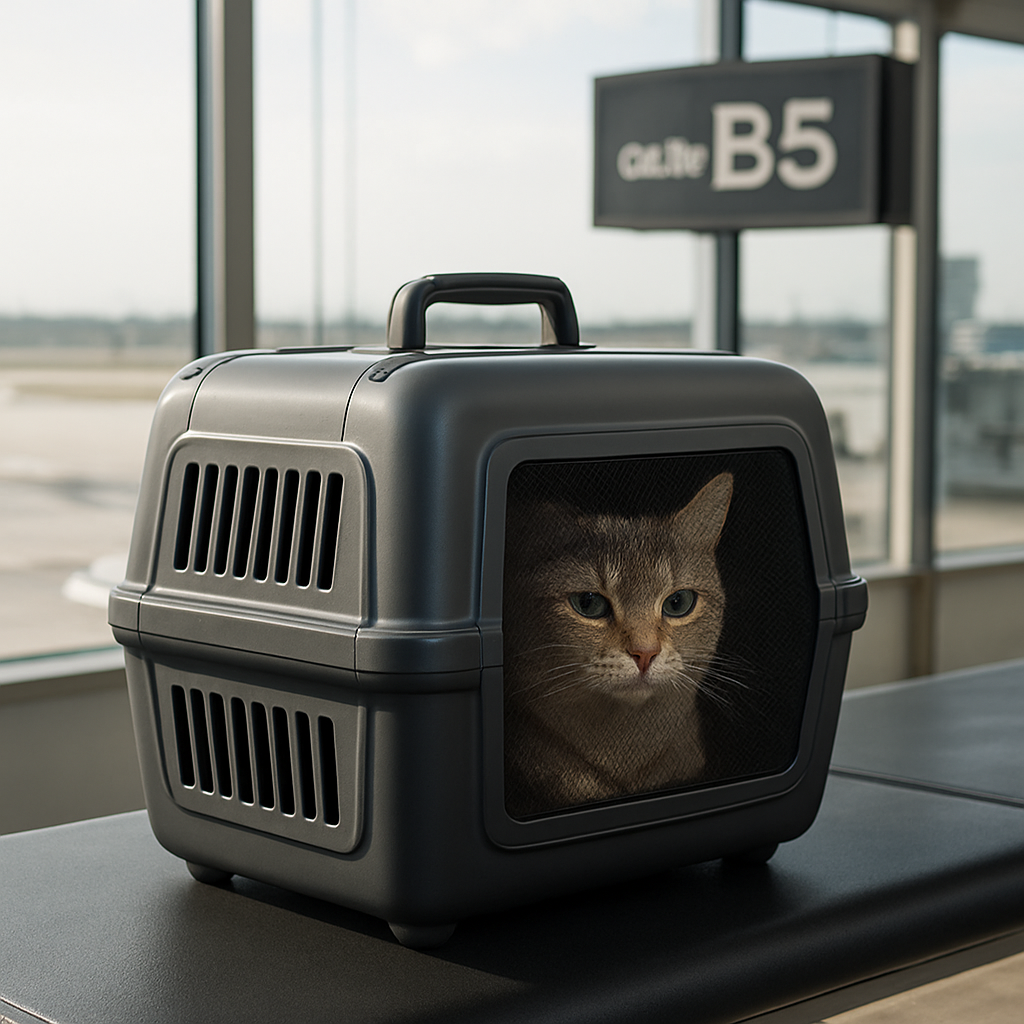
Let’s imagine you’re at the airport, juggling a stroller, a coffee, and a squirming cat in a carrier. You glance at the airline’s list of approved pet carriers and wonder… is yours actually on that list? That moment of doubt is what every cat-loving pet parent feels.
In our experience at Kaotik kollectionz, we’ve seen dozens of frantic “Can I bring my cat in this carrier?” emails. The good news? Getting a carrier that’s airline‑approved isn’t rocket science—it’s mostly about size, ventilation, and a few little details that airlines love.
First, think about the cabin dimensions the airline publishes. Most U.S. carriers cap the carrier at 17‑18 inches long, 11‑12 inches wide, and 8‑9 inches tall. If your carrier is a smidge bigger, the flight attendant will politely ask you to check the cat, and that’s a whole different hassle.
But size isn’t the only rule. The carrier must be hard‑sided or have a sturdy frame, with a secure latch that can’t be opened by a curious cat. And of course, the material needs to be transparent enough for you to peek inside without opening it.
So, how do you know if your favorite carrier makes the cut? Look for the airline‑approved badge on the product page, or ask the seller directly. Many brands even list the airlines they’ve been cleared for—Delta, United, American, you name it.
Here’s a quick mental checklist before you book: (1) Does it fit the airline’s cabin size chart? (2) Is the latch lockable? (3) Is it made of durable, vented material? (4) Does the manufacturer claim “airline approved”?
If you can answer “yes” to all four, you’re probably good to go. And if you’re still unsure, a short call to the airline’s pet‑travel desk can save you a lot of stress at the gate.
Ready to turn that travel anxiety into a smooth take‑off? Let’s dive deeper into choosing the perfect carrier, packing tips, and what to expect once you’re on board.
Choosing a cat travel carrier airline approved means checking size, secure latch, vented hard‑side construction, and the airline’s badge before you even book your flight. Follow our quick checklist, call the pet‑travel desk if unsure, and you’ll glide through security with a calm cat and no surprise gate delays today.
Picture this: you’re juggling a stroller, a coffee, and a squirming cat in a carrier while the departure board flashes “Now Boarding.” Your heart’s racing because you’re not sure if the carrier you bought last month will actually get past the gate agent. That moment of doubt is exactly what we want to erase.
First thing’s first – size matters more than you think. Most U.S. airlines cap the carrier at roughly 17‑18 inches long, 11‑12 inches wide, and 8‑9 inches tall. Grab a tape measure, lay the carrier on the floor, and make sure those dimensions fit inside the airline’s cabin size chart. If you’re even a half‑inch over, you’ll likely be asked to check the cat, and that turns a simple cabin flight into a freight‑style hassle.
Next, the latch. A secure, lockable latch is non‑negotiable. Cats are little escape artists; a flimsy snap‑button can turn into a full‑blown runway drama. Look for a latch that clicks solidly and, if possible, has a secondary safety lock. Some hard‑sided carriers even have a metal latch that can’t be pried open by a curious paw.
Ventilation is the third pillar. You want at least two mesh windows on opposite sides so air circulates, and the material should be sturdy enough to protect your feline but still let you see inside. Transparent panels are a bonus – they let you check on your cat without opening the carrier, which keeps the interior calm.
Now, the badge. Airlines love to see their logo printed on the product page or a clear “airline‑approved” stamp on the packaging. If the manufacturer lists specific airlines – Delta, United, American, Southwest – you can cross‑check that list with your flight’s carrier. When in doubt, call the airline’s pet‑travel desk; a two‑minute phone call saves you an hour of gate‑side stress.
Here’s a tip that trips up a lot of pet parents: measure the carrier with the wheels or handle attached, because that’s the exact footprint you’ll be pushing through security. If the carrier folds down for storage, make sure it still meets the size limits when fully assembled.
And because staying hydrated is a silent hero of stress‑free travel, consider packing a lightweight reusable bottle for yourself and a small dish for your cat. Quench Bottles offers travel‑friendly designs that won’t add bulk to your carry‑on.
While the carrier does the heavy lifting, your cat’s anxiety level can still creep up. If you’ve noticed your kitty gets jittery at the airport, our guide on how to calm a cat with separation anxiety offers simple, drug‑free tricks you can try before you even board.
Finally, take a minute to do a “gate‑test” – place the carrier on the floor near the gate, open the latch, and watch your cat’s reaction. If they seem comfortable, you’ve probably got the right fit. If they’re restless, consider a carrier with a softer interior lining or an extra vent. Either way, you’ll walk to the boarding gate with confidence, knowing you’ve ticked every box.
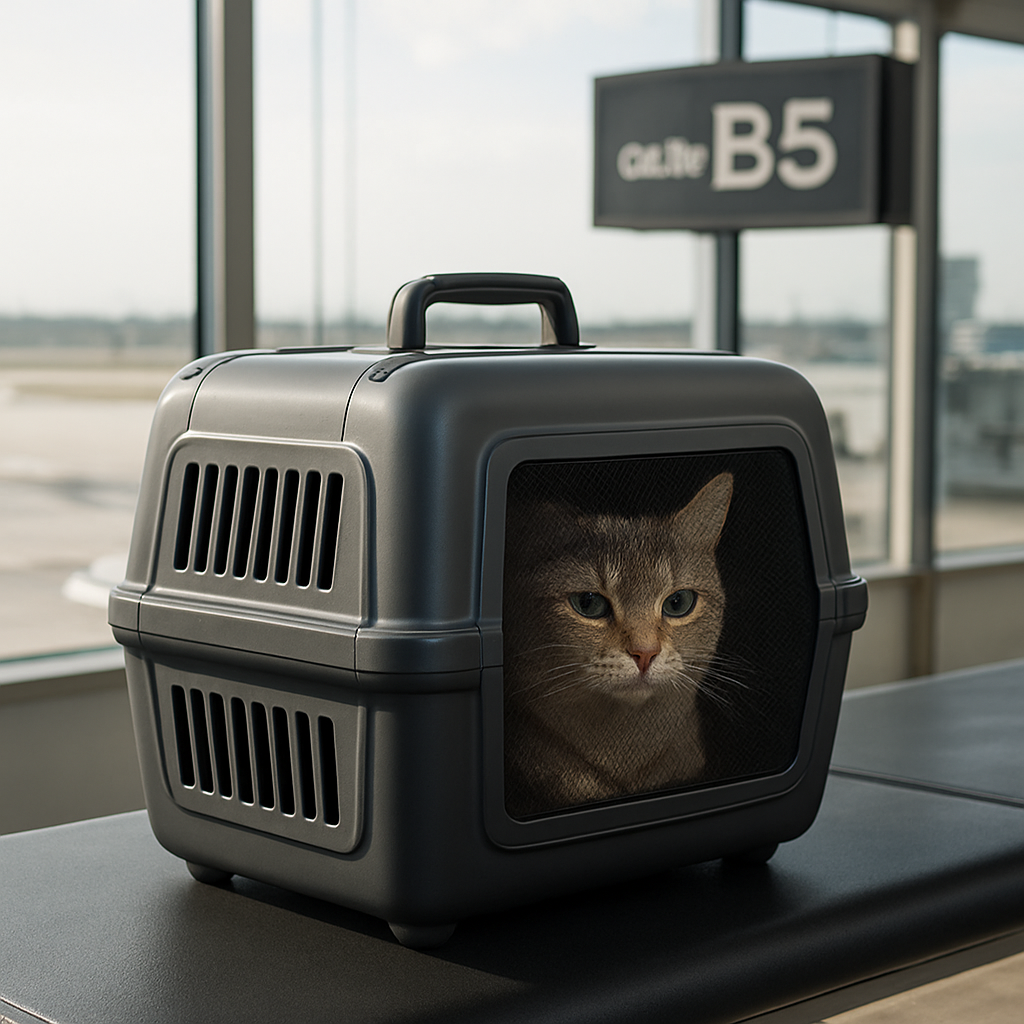
Alright, you’ve got a carrier that looks promising. Now it’s time to put the ruler to work and make sure both you and your feline friend actually fit the airline’s strict specs. It sounds boring, but trust me – a few minutes of measuring now saves you from a heart‑stopping scramble at the gate.
Grab a soft tape measure and have your cat sit or lie down in a relaxed position. Measure from the tip of the nose to the base of the tail – that’s the length you’ll compare to the carrier’s interior. Add about 2‑3 inches so the cat can turn around comfortably. Next, measure the height from the floor to the top of the shoulders (the tallest part when they’re standing). Finally, note the weight; most airlines require the carrier (including the cat) to be under 15‑20 lb, but check your carrier’s max load rating.
Imagine you’re traveling with a chunky Maine Coon. Their length can easily hit 20 inches, so you’d need a carrier that’s at least 22‑23 inches long inside – otherwise you’ll be fighting for space while the flight attendant politely asks you to check the cat.
Open the carrier and measure the inside length, width, and height. Don’t rely on the outside dimensions printed on the box; the padding and seams can shave off a half‑inch or more. Write those numbers down and line them up next to the cat’s measurements.
Tip: Most U.S. airlines cap the carrier at roughly 17‑18 inches long, 11‑12 inches wide, and 8‑9 inches tall. If you’re flying with an Australian carrier like Qantas, the limits are similar but double‑check their specific chart.
Give the latch a good tug with a coin or a small key. It should click solidly and stay shut even if your cat paws at it. If it wiggles, swap the carrier – a flimsy latch can lead to an emergency evacuation of the cat mid‑flight.
We’ve seen a pet parent in Melbourne try to wing it with a cheap soft‑sided bag that had a Velcro closure. The cat’s curiosity got the Velcro open, and the carrier bounced out of the seat during turbulence. The result? A frantic scramble, a delayed flight, and a very embarrassed traveler.
Count the mesh windows or openings. Aim for at least 16 % of the side surface to be breathable – that matches the International Air Transport Association’s guidelines. If you can see a good amount of sky through the mesh, you’re probably fine.
One of our readers in Auckland measured their carrier’s mesh and found it was only 10 %. They added a small zip‑up mesh panel from a pet‑store, and the carrier instantly became airline‑approved.
And there you have it – a straightforward, no‑nonsense way to make sure your cat travel carrier is truly airline approved. Take a breath, grab that tape, and cross those boxes. When you slide the carrier under the seat and the flight attendant gives you a thumbs‑up, you’ll know you earned it.
Okay, you’ve measured the carrier, you’ve locked the latch, and the mesh looks breezy. Next up is the paperwork and the fine‑print that most travelers skim over until the gate agent stops them in their tracks.
Ever tried to explain to a stranger why your cat’s carrier needs a special tag, only to get a blank stare? You’re not alone. The airline world is a maze of PDFs, PDFs, and—yes—more PDFs. Let’s break it down so you can walk to the boarding gate with confidence, not confusion.
First, the airline’s pet travel policy. This is usually a single webpage or PDF that lists size limits, weight caps, and any breed restrictions. It’s the rulebook you’ll reference when you call the pet‑travel desk.
Second, a health certificate. Most carriers require a vet‑signed statement that your cat is up‑to‑date on vaccinations and fit to fly. The certificate is typically valid for 10 days before departure, though a few airlines stretch it to 14.
Third, the import/export form (if you’re crossing borders). Some countries demand a completed form signed by a government agency, plus a recent fecal test. It sounds daunting, but the form is often a simple checklist you can download from the destination’s agriculture department.
Airline policy: head to the airline’s official website and look for a “Pets” or “Travel with Animals” section. If the link lives deep in the footer, use the site’s search bar and type “pet policy.” Most major carriers publish a downloadable PDF—grab that and keep it on your phone.
Health certificate: book an appointment with your vet at least two weeks before you fly. Ask them to print the certificate on official letterhead, sign it, and stamp the date. Some vets even offer a digital copy you can email to the airline.
Import/export form: check the government agriculture or customs website of your destination. For Australian travel, look at the Department of Agriculture’s “Importing Pets” page; for the U.S., the USDA’s APHIS site is the go‑to.
| Regulation | Typical Requirement | Where to Find It |
|---|---|---|
| Carrier size & weight | Max 17‑18″ L × 11‑12″ W × 8‑9″ H, total weight ≤ 15‑20 lb | Airline pet policy page |
| Health certificate | Vet‑signed, within 10 days of departure, includes vaccinations | Your veterinarian |
| International import form | Completed, signed by relevant authority, may need recent fecal test | Destination government agriculture site |
Having this table printed or saved on your phone is a game‑changer. When the agent asks, you can pull up the exact line from the airline’s PDF and say, “Here’s the section that confirms my carrier meets the size limit.” Trust me, it defuses tension faster than a calming spray.
Now, a little insider tip from our side: before you even book the flight, email the airline’s pet‑travel desk with the carrier model number. Ask them to confirm it’s approved. A quick reply saves you from a surprise “no‑go” at the gate.
What about the dreaded “pet fee” receipt? Most airlines require you to pay a fee—anywhere from $30 to $125—before you check in. The receipt often appears on your booking confirmation, but you can also request a separate invoice. Keep that invoice handy; some airports ask to see proof of payment before you even reach security.
So, how do you keep all these documents organized?
We like to use a simple zip‑folder on our phone labeled “Cat Travel Docs.” Inside, you’ll find PDFs of the airline policy, a photo of the health certificate, and a scanned copy of the import form. Add a note with the vet’s phone number in case the airline calls for verification.
And if you’re traveling internationally, double‑check the layover country’s rules too. A short layover in Canada, for example, may require a separate transit permit even if you never leave the airport.
Bottom line: the paperwork isn’t optional, but it doesn’t have to be a headache. Gather the three core docs, verify the carrier specs, and keep everything in one digital folder. When the gate agent asks for proof, you’ll be ready with a calm smile and a well‑organized file.
Ready to see a real‑world walk‑through? Check out this quick video that walks you through pulling the right documents and presenting them at the gate.
Take a moment now to pull up your airline’s pet policy, and mark off each doc on your checklist. When you’re done, you’ll feel that familiar lift‑off excitement again—only this time you’ve got the paperwork nailed down.
Imagine the moment you pull the carrier out of the closet and your cat sniffs it like it’s a brand‑new cardboard box. That’s the feeling we want—curiosity, not dread. The trick is to introduce the carrier while your cat is still a kitten or at least a few weeks before the trip. Place it in a sunny corner of the room, toss a soft blanket inside, and let your cat wander in on its own terms. As The Pet Hospitals recommend, a top‑loading or split‑design carrier lets a vet open the top for an exam, but it also doubles as a cozy hideaway at home.
Every time you open the door, slip a treat or a favorite toy inside. A single kibble piece followed by a gentle pet works like a tiny celebration—your cat learns the carrier equals good things. If the cat hesitates, step back. Don’t chase it; let the carrier stay a low‑pressure option. After a few days of treat‑only entries, gently close the door for a second, then open it again and praise the calm behavior. Gradually extend that closed time until you can leave the door shut for a minute or two while you’re in the room.
Covering the carrier with a light blanket during car rides is another simple hack. The fabric muffles visual chaos and mimics the den‑like darkness cats love. Just leave a small window uncovered so they can peek out if they need reassurance.
Once the carrier feels like a favorite napping spot, start taking it for short car rides. Begin with a five‑minute stroll around the block, then park, unload, and let your cat explore the carrier on the seat. Keep the engine humming at a low idle, and talk to your cat in a soothing voice—“We’re just going for a quick spin, buddy.” If the cat shows signs of stress (wide ears, tail thrashing), pause, give a treat, and try again later. The Spruce Pets notes that consistent, low‑stress exposure helps cats associate travel with calm (source).
Each successful mini‑trip builds a mental library of “travel can be okay.” When you finally board the plane, that library will outweigh the unknowns, and you’ll notice your cat settling quicker under the seat.
Pack a tiny bag of the things that make your cat feel safe: a familiar blanket, a few treats, a Feliway spray or wipe, and a lightweight collapsible water dish. A few drops of Feliway inside the carrier about ten minutes before you head out can reduce anxiety by mimicking the soothing pheromones cats release when they’re relaxed. If you’re already using a calming spray from Kaotik kollectionz, just add it to the kit—no extra hassle.
Don’t forget a spare leash or harness for the airport walkway, and a pee pad or disposable liner in case of an unexpected accident. A quick swipe of a wet wipe on the liner keeps the carrier fresh for the next leg of the journey.
Run through this list the night before you leave. When you zip the carrier under the seat and the flight attendant gives you a nod, you’ll know you’ve done the heavy lifting. Your cat may still twitch its whiskers, but you’ll have turned a potential panic into a manageable routine. And that, dear pet parent, is the difference between a frazzled airport scramble and a smooth take‑off.
So you’ve measured, tested the latch, and filed the paperwork. Now the real “what‑do‑I‑actually‑put‑in‑my‑carry‑on?” moment arrives. Packing the right kit can be the difference between a calm cat and a frantic scramble at gate‑check.
First, grab a lightweight tote that slides under the seat. Inside, nest these basics:
Does it feel like a lot? Think of it as a mini‑first‑aid kit for your feline. Each item is small, but together they cover hydration, hygiene, and emotional comfort.
Before you zip the carrier, run through this three‑step safety scan:
We’ve seen a cat escape a carrier because a loose zip slipped during turbulence. A quick double‑check saves you a heart‑attack at 30,000 feet.
Security can be a weird place for pet gear. The seriouslynerdy.com guide recommends pre‑registering your cat as soon as you book. That way the airline knows you have a carrier, and you’ll get a pet tag at check‑in – no surprise “you can’t fly” moment.
While you’re waiting in the line, keep a small TSA‑approved spray bottle of odor neutraliser handy. If a security officer needs to inspect the carrier, a quick spritz makes the process smoother and keeps the cabin smelling fresh.
Got a long layover? Pack a compact, waterproof litter tub (the kind you’d use for pet food). The seriouslynerdy article suggests sealing it in a zip‑lock bag and labeling it “cat litter” for faster inspection. It’s bulkier than a disposable pad, but it saves you a frantic hunt for a restroom once you’re off the plane.
Print this on a sticky note and tape it to your luggage handle:
When you pull that list out at the gate, you’ll feel the calm you built in the weeks before the flight.
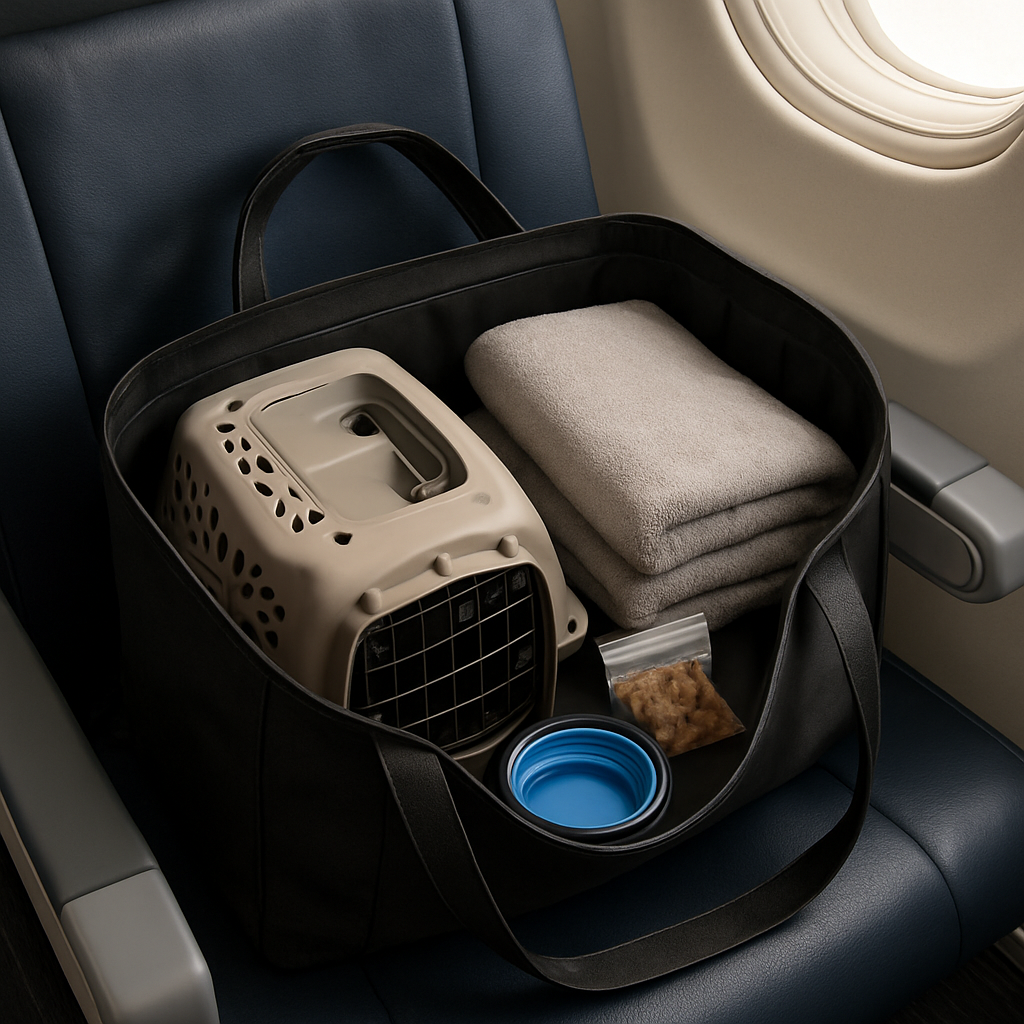
Remember, the goal isn’t to over‑pack; it’s to anticipate the three things cats get cranky about: thirst, a dirty spot, and feeling unheard. By covering those bases, you turn the carrier from a box into a portable safe haven.
Now you’ve got the kit, the safety routine, and the paperwork sorted. All that’s left is to zip the carrier under the seat, give your cat a reassuring whisper, and enjoy the take‑off knowing you’ve covered the essentials.
We all know the airport vibe: coffee fumes, rolling suitcases, and that low‑level hum of anxiety. For cat lovers, the first trick is simply giving yourself a buffer. Aim to be at the terminal at least two hours before a domestic flight and three hours for an international one. That extra time lets you breathe, double‑check your paperwork, and give your feline a moment to sniff the new environment.
Does the idea of a two‑hour wait feel overwhelming? Think of it as a mini‑prep session. You’ve already measured the carrier, packed the kit, and filed the health certificate. Now you’re just aligning those pieces with the airline’s check‑in flow.
When you approach the pet‑travel desk, have your carrier model number, your cat’s microchip ID (if you have one), and the health certificate front‑and‑center. A quick “Hi, I’m flying with my cat in an airline‑approved carrier” sets the tone. Most agents will ask to see the carrier badge or a photo of the carrier – keep that on your phone for instant proof.
Ask the agent about the pet fee right then. Some airlines bundle it into the reservation, others require a separate receipt at the gate. Grab the receipt, tuck it into your travel folder, and you’ll avoid the dreaded “we need proof of payment” moment later.
Security can feel like a maze, but the process for a cat carrier is surprisingly straightforward. You’ll place the carrier on the conveyor belt, just like a laptop. The X‑ray machine will scan the carrier while you keep the door open so the officer can quickly peek inside.
Here’s a tip that saves a lot of stress: keep a small spray bottle of water handy. A quick mist inside the carrier right before the scan can calm a jittery cat, and the extra humidity reduces static that sometimes triggers the carrier’s latch to click open.
If an officer asks you to remove your cat for a secondary inspection, stay calm. Gently lift your cat, hold the carrier with one hand, and let the officer handle the carrier. Most agents are used to the routine and will return the carrier promptly.
When the gate calls for boarding, the flight attendant will usually ask you to slide the carrier under the seat in front of you. Before you do, double‑check the latch one more time – a quick pull with a coin ensures it’s still locked after the security run‑through.
Do you ever wonder why some cats stare at the aisle as you walk down the jet bridge? It’s the unfamiliar sounds. A few soothing words, a gentle pat on the head, and a quick spritz of your favourite calming spray (like the one we recommend at Kaotik kollectionz) can keep your cat focused on you rather than the cabin crew.
Once you’re seated, slide the carrier under the seat, but don’t push it all the way in. Leave a tiny gap so you can peek at your cat without opening the door. If the flight is longer than an hour, consider a lightweight, disposable liner inside the carrier – it makes any “oops” moment easy to clean.
Hydration is key. Offer a few sips of water from a collapsible dish every 30 minutes. Cats often forget to drink when the cabin air is dry, and a little water goes a long way toward preventing a dry‑mouth crisis.
Finally, keep your treat pouch within arm’s reach. A small treat every 45 minutes signals to your cat that you’re still in control and that good things are happening.
Follow these steps, and you’ll turn what used to feel like a high‑stakes gamble into a smooth, almost routine part of travel. Your cat will sense your confidence, and together you’ll glide through check‑in, security, and boarding with far fewer heart‑racing moments.
You’ve made it through the check‑in maze, the security scan, and the boarding call. Now, with your cat snug in a cat travel carrier airline approved, the flight feels less like a gamble and more like a quiet adventure.
So, what does the finish line look like? It’s a calm cabin, a hydrated kitty, and a carrier that stayed locked the whole time.
Remember the little checklist we built: carrier size, lockable latch, mesh ventilation, weight limit, and a quick call to the airline. If each box stayed ticked, you already own the formula for stress‑free travel.
A final tip: keep a tiny spray bottle of water handy for a mist right before the X‑ray. The extra humidity soothes whiskers and reduces static that can tug a latch loose.
And don’t forget the treat pouch. A treat every 45 minutes reminds your cat that you’re still in control, turning a nervous glance into a content purr.
If you ever wonder whether you’ve covered everything, ask yourself: could I board this flight without a paper trail, a secure carrier, and a plan for hydration? If the answer is yes, you’re golden.
We at Kaotik kollectionz have seen countless pet parents transform panic into confidence by following these exact steps. Your experience will be the next success story.
When you land, give yourself a high‑five. You’ve navigated airline rules, packed the essentials, and kept your feline calm. That confidence pays off on future trips.
Ready for the next adventure? Keep this checklist saved on your phone, update it as airlines tweak policies, and let your cat enjoy the journey as much as the destination.
Airlines look at three things: size, latch security, and ventilation. The carrier’s interior must fit within the airline’s limits—usually around 17‑18 inches long, 11‑12 inches wide, and 8‑9 inches tall—and the total weight (carrier plus cat) can’t exceed 15‑20 lb. A lockable latch that stays shut when you tug with a coin prevents a mid‑flight escape, and at least 16 % mesh on the sides guarantees fresh air. If all three boxes are ticked, you’ve got a cat travel carrier airline approved.
Some manufacturers print an “airline‑approved” badge, but it’s not mandatory. What matters is that the carrier meets the dimensions and latch criteria that the airline publishes. Keep a photo of the carrier’s spec sheet on your phone; when you’re at the pet‑travel desk, you can pull it up and point out that the measurements line up with the airline’s chart. That quick proof often smooths out any doubt.
Both work as long as they’re built to the same standards. A soft‑sided carrier with a reinforced frame and a lockable zipper can pass the same test as a hard‑shell model. The key is to press the latch, check the mesh, and measure the interior. If the carrier collapses too much under pressure, it might not hold its shape under the seat, so give it a shake; if it stays firm, you’re good to go.
The safest move is to call the airline’s pet‑travel desk before you book. Tell them the carrier’s make and model, then ask them to confirm it meets their current size limits. Write down the agent’s name and reference number. Some airlines even email a quick “carrier approved” note—keep that on your phone. This pre‑flight sanity check saves you from a surprise “no‑go” at the gate.
If your feline is a big Maine Coon or a fluffy rag doll, you may need a carrier that’s specifically marketed for larger breeds. Look for carriers that list “up to 20 lb” or “extra‑room interior.” Even then, you must still stay within the airline’s dimension caps; otherwise you’ll have to consider checking the cat as cargo, which involves a different set of rules and fees. In our experience, a few extra inches of interior space make all the difference for a comfortable flight.
A lightweight, collapsible water dish and a small spray bottle of water can calm a jittery cat during security scans. A disposable liner or pee pad protects the carrier’s interior if a surprise accident happens, and it’s easy to toss away after the flight. Just make sure any added accessories don’t block the mesh windows or push the carrier over the weight limit.
Place the carrier on the conveyor belt with the door open so the officer can glance inside. Keep a treat pouch and a tiny spray bottle within arm’s reach; a quick mist right before the X‑ray reduces static that sometimes makes a latch pop open. After the scan, give the latch another quick pull with a coin—security handling can loosen a weak zip. Then slide the carrier under the seat, leaving a tiny gap so you can peek at your cat without opening the door.







Leave a comment