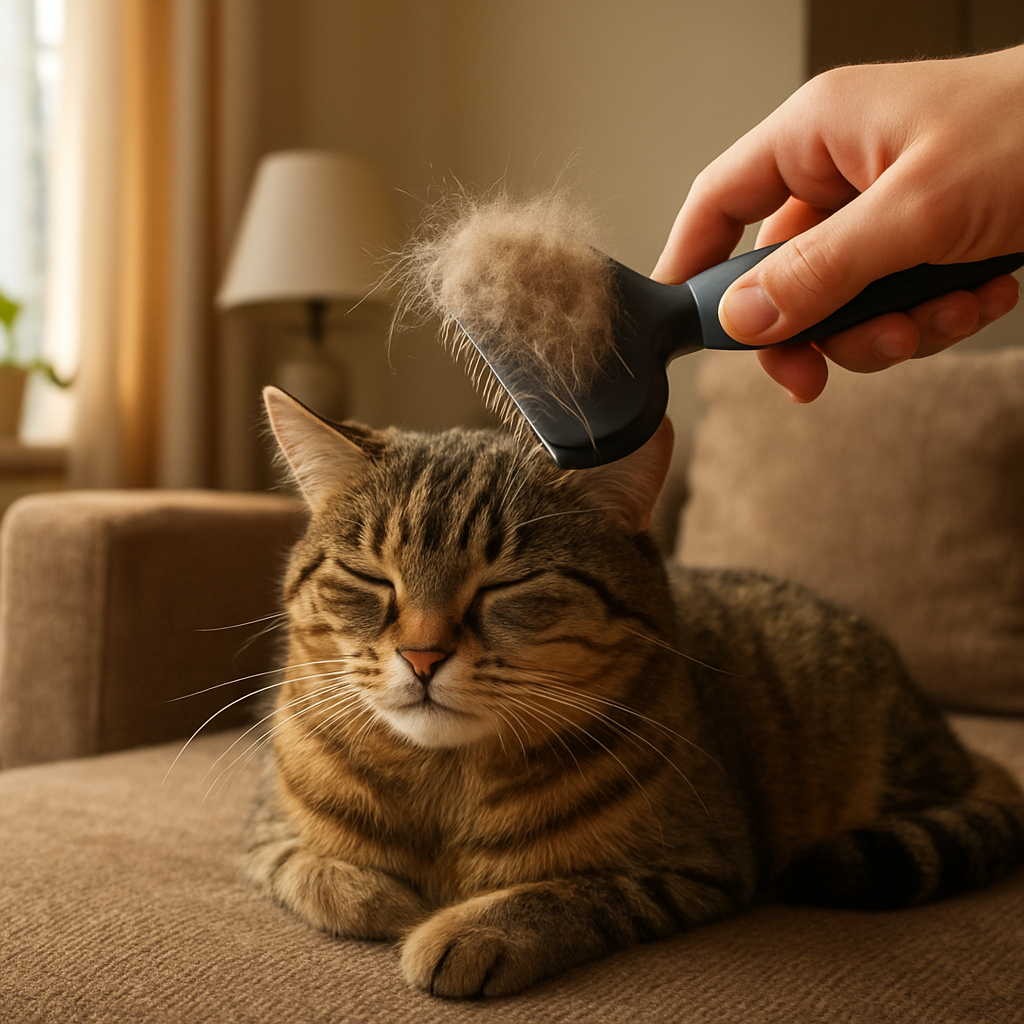
Ever watched your cat cough up a fluffy ball and wondered why it happens?
You’re not alone—those little hairballs can feel like tiny, mysterious landmines in the living room.
The good news is there are practical cat hairball remedies that actually work, without turning your home into a vet clinic.
In this guide we’ll walk through the why, the what, and the how—so you can breathe easier.
First, let’s peek under the fur coat and understand what triggers those stubborn balls.
Cats are meticulous groomers; every lick pulls loose hair straight into their throats, and the stomach can only do so much.
When the digestive system can’t push it out, the hairball forms and your kitty starts hacking.
That hack can be alarming, but it’s also a signal your cat needs a little extra help.
So, what can you do right now?
Start with simple diet tweaks—adding a bit of moisture-rich wet food can keep the gut moving.
Fiber‑rich treats, like pumpkin puree or specially formulated hairball chews, act like a gentle brush inside.
And don’t forget hydration—fresh water bowls or a cat‑friendly fountain encourage sipping.
If food changes aren’t enough, a daily dose of a safe hairball remedy gel can make a difference.
These gels usually contain mild lubricants like petroleum‑based mineral oil or natural oils that ease passage.
Just a half‑teaspoon mixed into their food works for most cats, and you’ll notice fewer coughs within days.
For the truly stubborn cases, a short‑term use of a vet‑approved hairball laxative can be a lifesaver.
Always chat with your vet first—especially if your cat is older or has health issues.
Beyond diet, think about the environment: a gentle brush each day removes loose fur before it’s swallowed.
A calm, low‑stress home also helps; stressed cats tend to over‑groom, adding to the problem.
So, picture this: a few minutes of brushing, a splash of water, a dab of hairball gel, and you’ve got a solid cat hairball remedy routine.
Ready to give your feline a smoother, hairball‑free life? Let’s dive deeper into each step.
If your cat’s coughing up fluffy balls, a cat hairball remedy—wet food, fiber treats, hydration, and a dab of gel—can keep the gut moving and reduce those hairballs.
Combine a daily brush, stress‑free environment, and a vet‑approved laxative, and you’ll see still fewer coughs and a happier, smoother‑running overall feline.
Ever caught your cat mid‑cough, eyes wide, looking like they just inhaled a tiny cloud? That moment tells you something’s stuck in the pipeline, and the first thing to ask yourself is: what did they swallow?
Most hairballs start with a simple grooming session. Cats are built‑in fur vacuums; each lick pulls loose hair toward the throat. When the hair piles up faster than the stomach can push it along, you get that classic hack. So the trigger hunt really begins with the everyday habits that pile up the fluff.
If your feline is feeling anxious – maybe because of a new baby, a moving house, or just a dull afternoon – they often turn to grooming as a coping mechanism. The extra licking means extra hair headed for the gut. Notice if your cat’s grooming spikes after a loud thunderstorm or a change in routine? That’s a red flag.
2. Seasonal shedding spikes
Spring and autumn are the big shedding seasons. A sudden fluff explosion in the coat can overwhelm even a diligent brush‑off routine. When the hair isn’t caught on a brush, it ends up in the stomach.
A dry‑food‑only diet can dry out the digestive tract, making it harder for hair to slide through. Fiber acts like a gentle broom inside the intestines, so a lack of it means hair sticks around longer.
4. Inadequate grooming tools
Even the best‑intentioned cat parent can miss hidden strands if they’re using the wrong brush. A slick rubber glove might feel nice, but it won’t catch the fine undercoat that a proper comb will.
That’s where a little tech help comes in. The right grooming tools can shave off that excess fur before it becomes a problem. A quick 5‑minute brush after meals often cuts hairball frequency in half.
So, how do you translate this into a concrete action plan?
First, keep a simple log for a week. Jot down the time of each grooming burst, any stressors you notice, and what your cat ate that day. Patterns pop up fast – you might discover that your cat grooms extra right after the afternoon sun hits the living‑room window, or that a new toy is causing overstimulation.
Second, match the triggers to solutions. If stress is the culprit, try calming diffusers or a short play session to burn off excess energy. If diet is low on moisture, slip in a wet food topper or a splash of water‑rich broth. And if it’s purely a grooming issue, upgrade to a de‑shedding brush or those clippers we mentioned earlier.
Need a deeper dive into natural options beyond diet and grooming? Check out natural hairball remedies for herbal teas, pumpkin blends, and other gentle solutions that can keep the gut moving.
Finally, give your cat a quick post‑meal brush. It only takes a minute, but it sweeps away the hair that would otherwise travel down the throat. Pair that with a fresh bowl of water – cats love moving water, and it encourages extra sipping, which lubricates the digestive tract.
When you combine observation, the right tools, and a few simple habit tweaks, you’ll start seeing fewer hairball episodes and a happier, more relaxed cat.
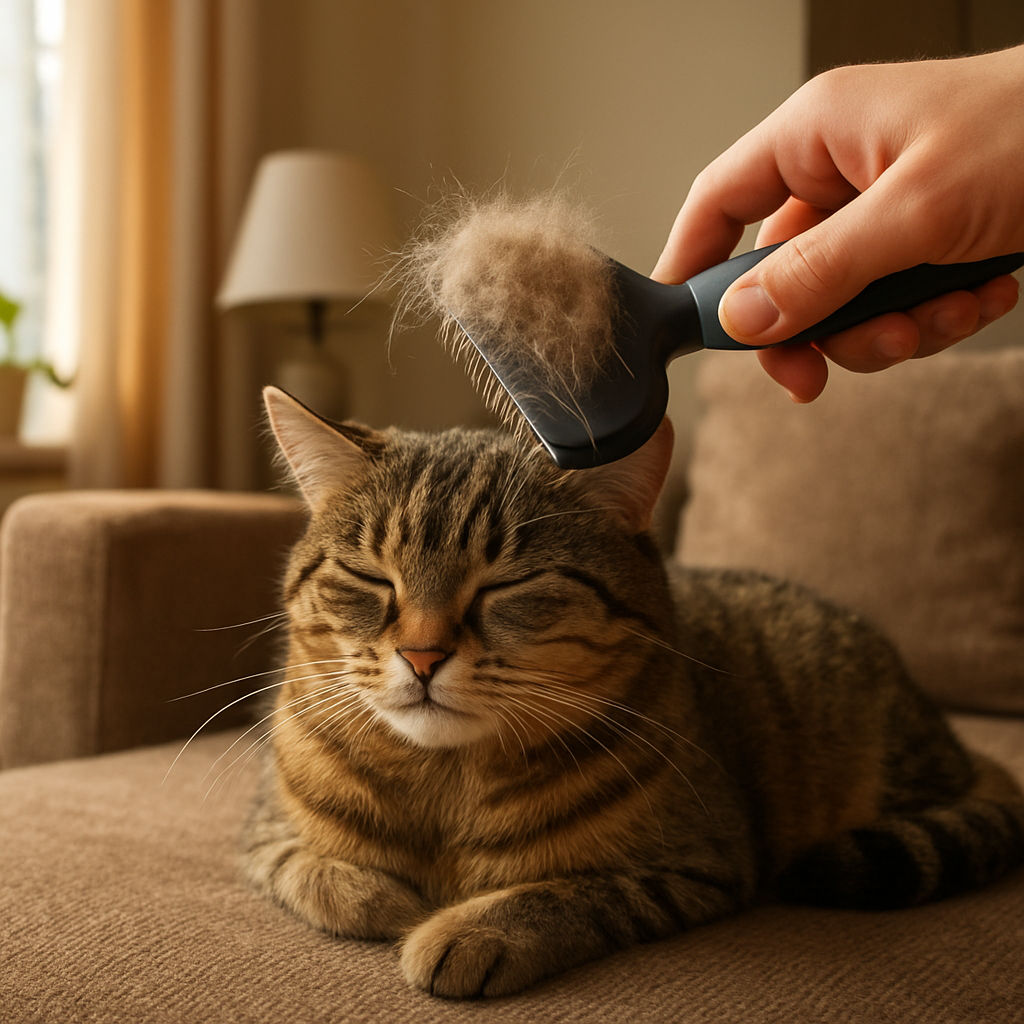
When it comes to a real cat hairball remedy, what you feed your feline often makes the biggest difference. Think about it: every lick is a tiny vacuum that pulls hair straight into the stomach. If the food can help move that hair along, you’ve already taken a huge step toward fewer hairball dramas.
So, why does diet matter? It’s not just about calories; it’s about moisture, fiber, and the right kind of fats that keep the digestive tract humming. A dry‑kibble‑only routine can leave things a bit… stuck, especially during shedding season.
Fiber acts like a soft brush inside the gut, nudging hair toward the colon where it can exit safely. The Embrace Pet Insurance guide points out that adding modest fiber can trim hairball incidents by up to 30%. You don’t need a fancy supplement; a spoonful of canned pumpkin (plain, not pie‑spiced) or a tablespoon of cooked, unsalted sweet potato works wonders.
Imagine you’re sprinkling a little extra roughage into your cat’s dinner—just enough to give the stomach a gentle nudge without upsetting the stomach.
Wet food isn’t just a treat; it’s a moisture boost that softens the fur ball before it can clump. Cats naturally have a low thirst drive, so a diet that’s 70‑80% water helps keep everything moving. If your cat prefers dry kibble, try a 50/50 mix: half dry, half high‑quality wet paté.
One quick hack: stir a splash of low‑sodium chicken broth into dry kibble. It adds flavor, moisture, and a bit of extra protein that supports gut health.
There are commercial cat foods designed specifically for hairball control. Business Insider notes that these recipes typically pack insoluble fiber and omega‑fatty acids to both reduce hairball formation and promote a shiny coat. Look for terms like “hairball control” or “digestive health” on the label.
In our experience at Kaotik kollectionz, many pet parents report that switching to a hairball‑focused diet, even just a few times a week, makes a noticeable dent in coughing episodes.
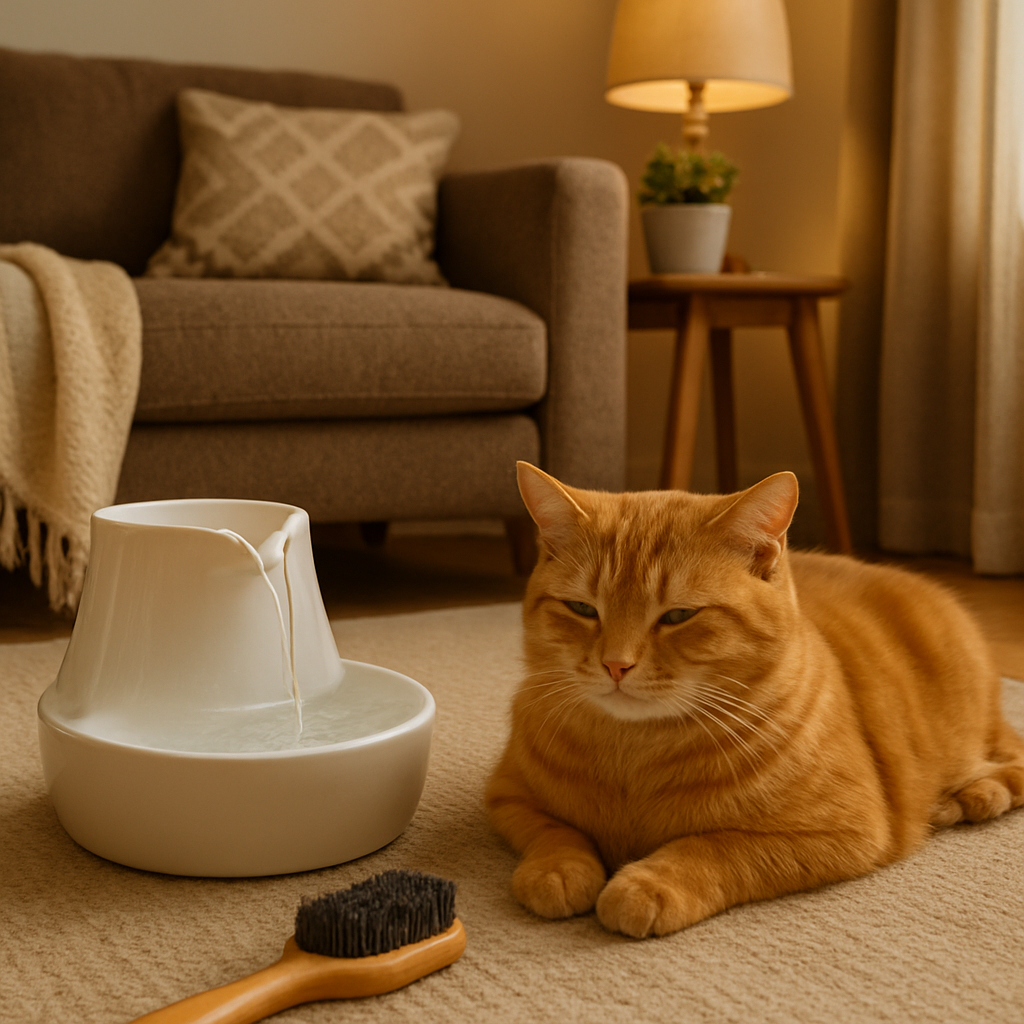
Fresh water should be as inviting as a sunbeam. Cats love moving water, so a small fountain can turn sipping into a game. Place a bowl near a sunny window, or add ice cubes to keep the water cool in summer.
Pro tip: set out two water stations—one near the food and another in a quiet corner. It encourages more frequent drinking without feeling forced.
Beyond food, a few simple supplements can give the digestive system an extra hand. A half‑teaspoon of plain pumpkin puree, a drizzle of olive oil, or a pinch of powdered psyllium husk (if your vet approves) can act like a tiny lubricant for the hair.
Here’s a quick, printable checklist you can stick on the fridge:
Remember, the goal isn’t to starve your cat of its favorite kibble but to give the gut the tools it needs to slide that fur right out. Start with one change—maybe the pumpkin tip—track how your cat reacts for a week, then layer on the next adjustment. Before long, those surprise hairball moments will feel like a rarity rather than a regular interruption.
So you’ve tweaked the diet and the water stations are working—great. Now let’s talk about the hands‑on stuff you can do at home to turn a hairball nightmare into a rare hiccup.
Loose fur is the raw material for hairballs, so a quick brush each day can cut the problem in half. Pick a soft‑bristle brush that slides over your cat’s coat without pulling. If you make it a short, soothing ritual after dinner, your cat will start to associate it with a calm end‑of‑day.
And if you’re wondering whether a brush really matters, the home remedies for hairballs guide lists brushing as the #1 natural fix.
After brushing, grab a fragrance‑free baby wipe and swipe along your cat’s back, chest, and belly. The wipe catches the stray hairs that the brush missed, and the cool surface can feel oddly pleasant for a cat that just finished a grooming session.
A teaspoon of extra‑virgin olive oil mixed into a meal once a week gives the digestive tract a thin coating, making it easier for hair to slide through. Don’t pour it straight into the mouth; let your cat lick it off the food.
If olive oil isn’t on hand, melt a teaspoon of unsalted butter and drizzle it over the kibble. The fat does the same job—lubricating the gut without any harsh chemicals.
Spread a dab of petroleum jelly on the pad of a front paw. Cats love to groom their paws, so they’ll lick the jelly and get a light dose of lubricant that helps move hair through the system. Do this once a week, and watch the stools look a little less “clumped.”
A small spoonful of tuna oil or sardine oil, drained from a can, adds natural omega‑fatty acids that coat the intestines. It’s a tasty treat, and the extra oil helps keep the hairball “slippery.”
Pure canned pumpkin (not the pie filling) is a fiber hero. Stir in about a teaspoon per feeding, two to three times a week. The soluble fiber absorbs water, bulks up the stool, and gently sweeps hair out.
A pinch of high‑fiber cereal, a quarter teaspoon of Metamucil, or a sprinkle of psyllium husk can be mixed into food. Just be sure to introduce it slowly to avoid tummy upset.
When you shop, look for “hairball control” or “digestive health” formulas. These products are formulated with the right balance of insoluble fiber and omega‑3s. If you want a brand‑specific recommendation, the Business Insider roundup mentions Tomlyn Laxatone Hairball Remedy Gel as a reliable, vet‑approved option.
Remember, these tricks are meant to work together, not replace each other. Start with one—maybe the brush—and add a second after a week. By the time you’ve layered three or four, you’ll likely notice fewer “hairball moments” and more relaxed lounging.
And as always, give your vet a heads‑up before you start any new supplement, especially if your cat is senior or has a chronic condition. A quick check can keep the home‑remedy plan safe and effective.
You’ve tried the brushes, the pumpkin, the oil tricks, and the hairball gels. Most of the time those home‑remedy steps keep the fluff in check. But there’s a point where a cat’s cough isn’t just a nuisance—it’s a warning sign. Knowing when to pick up the phone can save your fur‑friend from a bigger problem.
So, what should make you pause the DIY routine and call the vet? Think of it like this: if your cat’s hairball episodes start feeling like a daily drama, it’s time to bring in the professionals.
1. Frequent vomiting or retching – more than a couple of times a week, especially if there’s no hairball visible.
2. Blood in vomit or stool – even a tiny speck means the lining might be irritated.
3. Difficulty breathing – wheezing, coughing that sounds like a choking cat, or rapid shallow breaths.
4. Lethargy or loss of appetite – your cat’s usually a sprinter; if they’re slumped on the couch, something’s off.
5. Weight loss – a noticeable drop over a week or two, despite the same food intake.
6. Persistent constipation or diarrhea – the gut’s stuck, and hairballs can be just the tip of the iceberg.
Grab a notebook or your phone and jot down what you’ve observed. Note the frequency, any changes in diet, stressors, and the exact wording of each symptom. A short log helps the vet zero in on the issue faster.
Give your cat a quick physical check: feel the abdomen for hard spots, look at the mouth for lingering hair, and watch their breathing pattern. This isn’t a vet exam, just a quick sanity check.
When you arrive, the vet may run a few basic tests: blood work to rule out anemia or infection, X‑rays to spot blockages, and possibly an ultrasound if they suspect a more complex gastrointestinal issue. In some cases, they’ll prescribe a prescription‑strength hairball laxative or a short course of medication to calm the stomach.
They might also recommend a diet change—sometimes a therapeutic formula with higher fiber and omega‑3s is the most effective “cat hairball remedy” when home methods fall short. And if stress is a factor, they could suggest calming aids or pheromone diffusers to keep your cat from over‑grooming.
| Sign | Possible cause | Vet action |
|---|---|---|
| Frequent vomiting | Obstruction, gastritis | Abdominal X‑ray, blood panel, prescribe gastro‑protectant |
| Blood in vomit/stool | Gastrointestinal ulcer, severe irritation | Endoscopy or ultrasound, medication, diet change |
| Breathing difficulty | Asthma, hairball lodged in airway | Chest X‑ray, bronchodilator, emergency care |
Having that table on hand makes the conversation with your vet smoother. You can point to the exact symptom you’re seeing and ask, “Is this something we can manage at home, or do you think it needs a deeper look?”
When you’ve crossed those boxes, give your vet a call. Most offices can give you a same‑day or next‑day appointment for urgent concerns. If your cat is actively choking or you see blood, head straight to an emergency clinic.
Remember, a vet isn’t there to tell you you’ve failed at home care—they’re there to add a layer of safety when the body’s signals say “enough.” By catching the warning signs early, you keep your cat’s tummy happy and the hairball drama to a minimum.
Alright, you’ve gotten through the quick fixes and the vet visits – now it’s time to think about the marathon, not just the sprint. A sustainable cat hairball remedy isn’t a one‑off trick; it’s a routine that fits into your cat’s everyday life and yours.
First, ask yourself: what does a typical day look like for your feline? Is the food bowl in the same spot, the brush tucked away in a drawer, or does the water bowl get ignored? Pinpointing the tiny gaps in the daily rhythm is the secret sauce for long‑term success.
Here’s how we break it down, step by step, so you can build a plan that feels doable, not overwhelming.
Pick a day each week – maybe Sunday after brunch – to do a quick audit. Pull out a notebook or use a phone note and ask three simple questions:
Writing it down turns a vague worry into concrete data you can share with the vet if needed.
So, what should you do if you spot a trend? That’s where the next step comes in.
Fiber is the internal brush that keeps hair moving. A balanced mix of wet and dry food, plus an occasional fiber‑boosted treat, works like a charm. Purina Pro Plan Indoor + Hairball formula is a good baseline because it includes natural fiber and omega‑6 fatty acids that support coat health and GI motility.
Try a 70/30 split (wet/dry) for a month, then adjust based on your cat’s appetite and stool consistency. If you notice firmer stools, add a spoonful of plain pumpkin or a sprinkle of psyllium husk – but always introduce slowly.
Cats are notorious for treating water like a side dish. A small fountain, a second bowl on the other side of the house, or even ice cubes in the bowl can turn sipping into a game. The goal is at least 60 ml of water per kilogram of body weight per day.
When water is always available, the digestive tract stays lubricated, and hairballs have a harder time forming.
We all know the brush is the frontline defense, but it can also be a moment of connection. Set a timer for five minutes after dinner, play soft music, and talk to your cat while you brush. The calmer the cat feels, the less likely they are to over‑groom from stress.
And if you’re short on time, a quick 2‑minute “spot brush” on the back and tail can still remove 15‑20 % of loose fur.
Does it ever feel like you’re doing a lot? That’s why we bundle it into a weekly habit – it becomes second nature.
Stress is a silent hairball accelerator. New furniture, a moving truck, or a sudden schedule change can push a cat into excessive grooming. Keep a stress log alongside your weekly check‑in. If you spot a pattern, try a calming aid – a pheromone diffuser or a gentle calming spray – but choose products that are vet‑approved.
PetMD points out that “over‑grooming due to stress is a common cause of hairballs” and recommends addressing the root cause rather than just the symptom (PetMD cat hairball guide).
Having a visual cue on the fridge or a phone reminder keeps the plan from slipping.
Mark each box; the satisfaction of checking them off is a tiny win that adds up.
And remember, consistency beats intensity. A cat that gets a steady stream of small supports will fare better than one that gets a massive overhaul once a year.
Finally, give yourself some grace. If you miss a brush or the water bowl runs dry, it’s not the end of the world. Reset, adjust, and keep moving forward.
Long‑term management isn’t a rigid protocol; it’s a flexible framework that adapts as your cat ages, seasons change, and new stressors appear. By treating the routine as a partnership, you’ll both enjoy fewer hairball emergencies and more cozy cuddle sessions.
Take a deep breath, jot down that first check‑in, and let the plan grow with you. Your cat’s belly – and your peace of mind – will thank you.
We’ve walked through everything from spotting the first cough to building a week‑long habit that keeps hairballs at bay.
So, what’s the real cat hairball remedy? It’s not a single product—it’s the sum of tiny, consistent actions: a bit of moisture‑rich food, a daily brush, fresh water, and a quick stress check.
Imagine you’re checking your own to‑do list. One tick for the water fountain, another for the pumpkin spoon, a third for the five‑minute brush. Those ticks add up, and before you know it, the “hairball alarm” stops ringing.
In our experience at Kaotik kollectionz, cat lovers who treat the routine like a partnership see fewer emergencies and more snuggle sessions.
Got a busy week ahead? Set a phone reminder for Monday, Wednesday, Friday – just like the plan you just read. If you miss a day, don’t sweat it; simply restart the next slot.
Remember, consistency beats intensity, and grace beats perfection. Your cat’s comfort and your peace of mind are worth the modest effort.
Ready to make the plan stick? Grab a notebook, jot down the first check‑in, and watch the difference grow with every small step.
And if you ever feel stuck, just revisit the checklist—you’ll see that even the tiniest tweak can turn a hairball hassle into a smooth, happy day for both of you.
A cat hairball remedy is any safe product or routine that helps move loose fur through your cat’s digestive system before it clumps into a ball. Most contain a mild lubricant—pumpkin puree, a touch of olive oil, or a mineral‑based gel—that softens the fur and adds bulk to the stool. When you pair that with daily brushing and fresh water, the hair slides out in the litter box instead of being coughed up.
For most adult cats, a half‑teaspoon of a gel or a teaspoon of pumpkin mixed into food once a day is enough. If your feline is a heavy groomer or is shedding a lot, you can bump it up to twice daily during peak shedding weeks. The key is consistency—missing a few doses isn’t catastrophic, but try to keep the habit regular so the gut stays lubricated.
Absolutely. Plain canned pumpkin (no spices), a drizzle of extra‑virgin olive oil, or a spoonful of cooked sweet potato all act as natural fiber and lubricants. The trick is to introduce them slowly—start with a small spoonful mixed into a wet meal and watch your cat’s stool consistency. If the stool stays soft and the coughing drops, you’ve found a budget‑friendly cat hairball remedy that works.
Senior cats often have slower digestion, so a gentle remedy can actually be more helpful—but always check with your vet first. Avoid high‑fat options if your cat has pancreatitis, and steer clear of petroleum‑based gels if there’s a history of intestinal blockage. A vet‑approved fiber supplement or a low‑oil pumpkin mix is usually the safest route for older felines.
Stress triggers over‑grooming, which is a major source of hairball formation. Products like calming sprays, pheromone diffusers, or even a quiet corner with a cozy blanket can lower anxiety levels. When your cat feels relaxed, they’ll groom less aggressively, meaning less fur ends up in the stomach. Pairing a calm environment with a regular hairball remedy often cuts coughs in half.
Watch for persistent coughing, frequent retching without a visible hairball, or hard, dry stools that look like they’re stuck. If you notice blood in the vomit or stool, or your cat seems lethargic, stop the remedy and call the vet. Those are red‑flag symptoms that suggest the underlying issue needs medical attention rather than a simple dietary tweak.
Set a phone reminder for the same time each day—maybe right after dinner—so you mix the remedy while you’re already feeding. Keep a small jar of pumpkin or a pre‑measured scoop of gel in the kitchen for quick access. A quick weekly check‑in (note any coughing, stool changes, or shedding spikes) turns the routine into a habit you won’t forget.
If you’ve made it this far, you’re probably looking for that extra push to lock in a cat hairball remedy routine that actually sticks. Below are a handful of go‑to resources that we, at Kaotik kollectionz, keep bookmarked for our community of cat lovers.
– A concise cheat‑sheet on fiber‑rich foods you can mix into any meal, complete with portion sizes.
– A printable checklist that turns the weekly “hairball check‑in” into a two‑minute habit.
Our own short videos walk you through the brush‑and‑pumpkin combo, showing how to blend a teaspoon of pure pumpkin into a wet dinner without making a mess. They’re perfect for busy pet parents who need a visual reminder.
Join the Kaotik kollectionz cat‑care forum where members swap real‑world tips, ask questions about specific breeds, and post before‑and‑after photos of their cats’ stool consistency. It’s a low‑pressure space that feels more like chatting over coffee than a formal support desk.
Keep a few reputable vet‑authored articles handy—especially the ones that explain when a hairball remedy might need a professional’s eyes. Knowing the red‑flag signs can save you a trip to the clinic.
Grab these tools, set a reminder on your phone, and watch the hairball drama fade into the background. You’ve got this!







Leave a comment