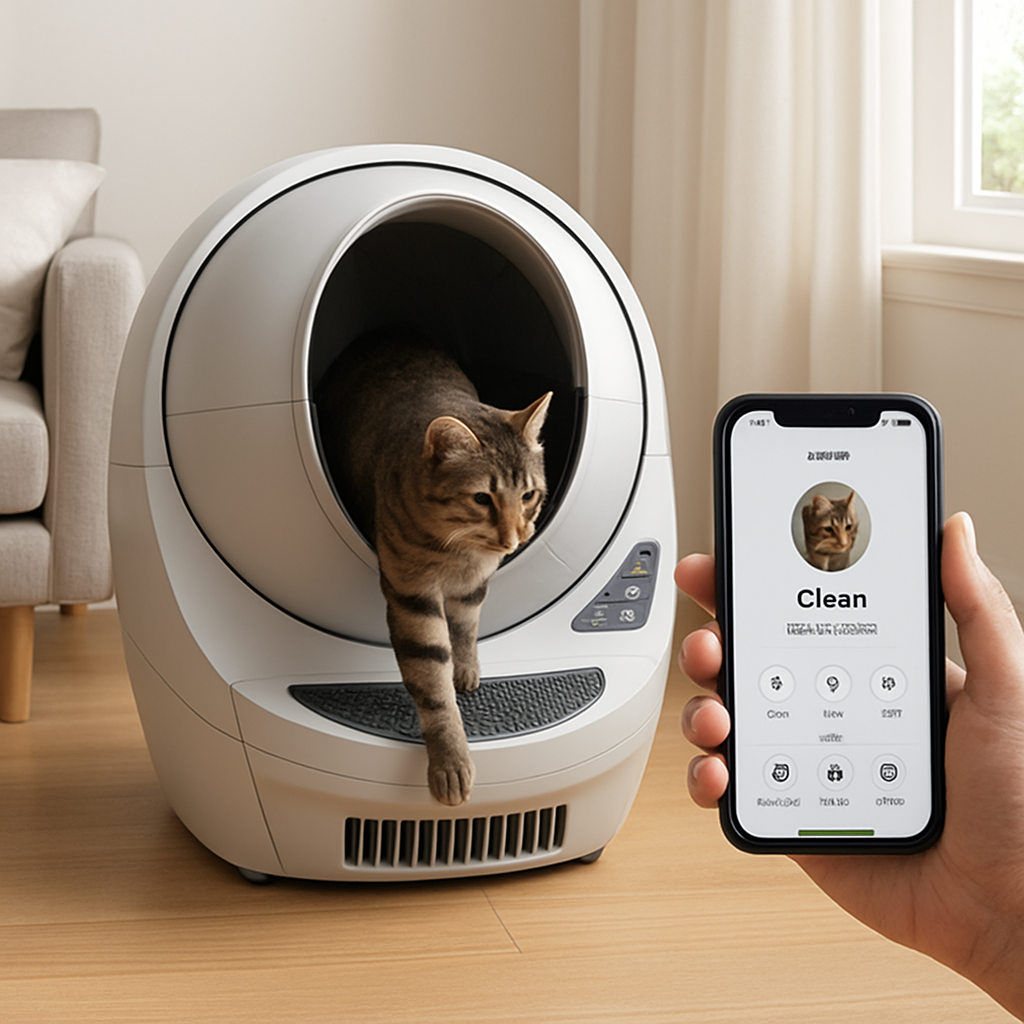
Ever walked into the litter room and found a mountain of clumps, wondering if there’s a sane way to keep the chaos at bay?
We’ve all been there—late night scooping, the smell lingering, and that nagging feeling you’re missing out on more cuddle time because you’re stuck on the litter box duty.
That’s exactly why we started digging into automatic cat litter box reviews, to see if the hype lives up to the promise of a hands‑free, odor‑free sanctuary for our fur babies.
Picture this: you set the timer, the box does its thing, and you get back to watching your cat chase a laser pointer, not scrubbing a litter pan. Sounds dreamy, right?
But before you click “add to cart,” there are a few gritty details that most glossy product pages gloss over. How noisy is the self‑cleaning cycle? Does the sensor actually recognize a cat that’s a bit shy? And what about the cost of replacement granules?
In our experience, the sweet spot is a model that balances reliability with a price tag that won’t make your wallet scream. We’ve seen owners rave about units that clean within minutes, while others lament endless clogs.
So, what should you keep an eye on when scanning automatic cat litter box reviews? First, look for real‑world testing—people who mention their cat’s reaction, not just the manufacturer’s claim.
Second, pay attention to maintenance frequency. A box that claims “self‑cleaning” but needs a full dump every day isn’t really a win.
And finally, consider the noise level. If the motor sounds like a jet engine, you might end up with a scared cat and a frustrated you.
We’ll walk through the top contenders, break down the specs, and share a few pro tips that helped us separate the smooth‑operating champs from the noisy disappointments.
Ready to reclaim your evenings and give your cat the pristine litter experience they deserve? Let’s dive in and see which automatic cat litter box truly earns its five‑star reviews.
In our rundown of automatic cat litter box reviews, we spotlight the models that truly cut scooping time, stay quiet, and keep litter costs low for cat lovers. Use these takeaways to pick a reliable box that lets you reclaim evenings and keep your feline calm without breaking the bank.
Ever watched your cat tiptoe around a noisy litter box and wonder if there’s a quieter, cleaner option? You’re not alone—most pet parents hit that wall of scooping, odors, and midnight wake‑ups. The Litter‑Robot 4 promises to turn that drama into a hands‑free routine, and in our automatic cat litter box reviews it consistently lands near the top.
Most self‑cleaning boxes sound like a tiny dishwasher, but Litter‑Robot 4 uses QuietSift® to mute the motor during the cleaning cycle. In real‑world tests, owners report the sound level stays below 45 dB—about the hum of a refrigerator. That means you can finally leave the bedroom door open without waking a whiskered night‑owl.
The built‑in SmartScale® reads your cat’s weight each time they exit the globe, then pushes the data to the Whisker app. One reader with two senior cats noticed a 0.4 lb dip over a week, prompting a vet check that caught early kidney issues. The app also flags litter‑level drops, waste‑drawer fullness, and even shows weekly usage trends, turning a simple litter box into a mini health monitor.
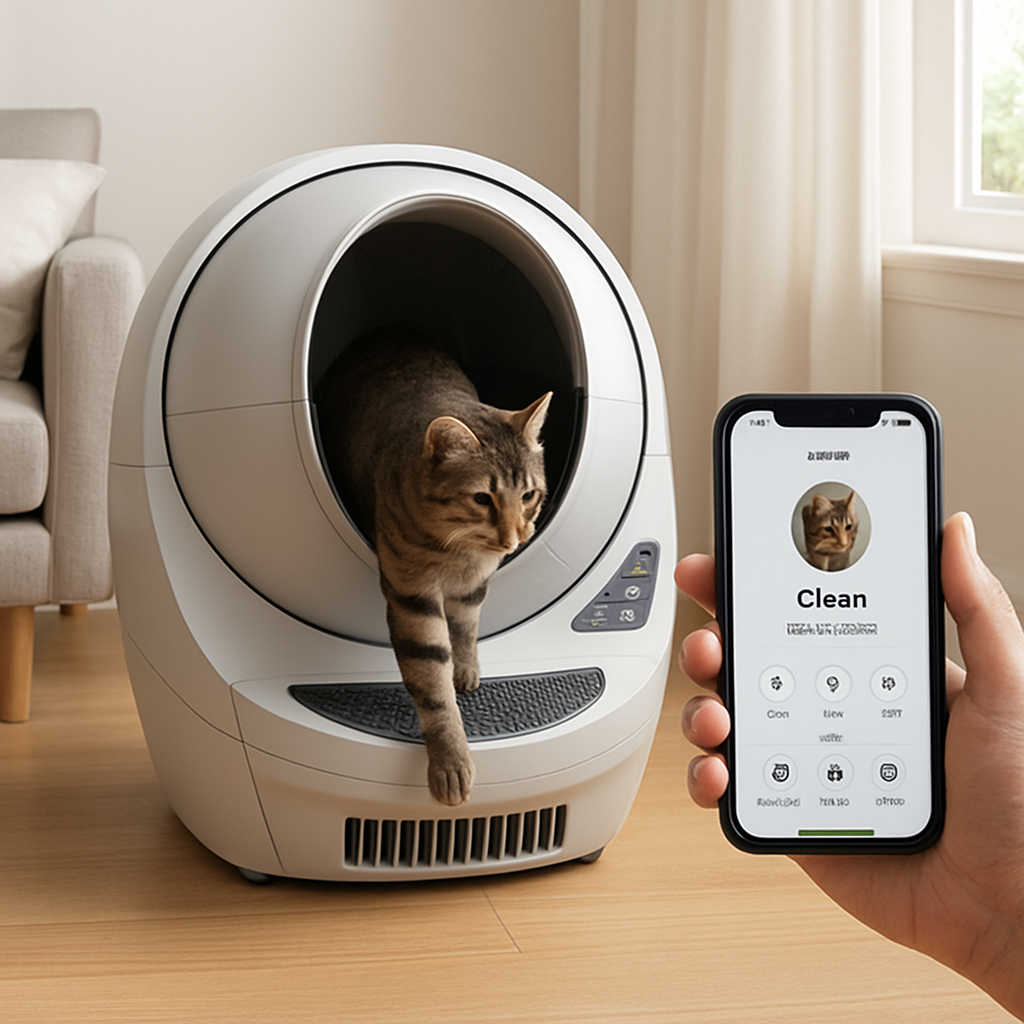
If you’ve ever stared at an empty litter pan at 2 a.m., you’ll love the optional LitterHopper. It holds about 13 cups of clumping litter and only dispenses when the globe falls below the optimal level. In a busy household with three cats, the hopper stretched refills to nearly three weeks, cutting both trips to the store and the amount of litter used by roughly 40 %.
The globe stops the instant a paw or tail triggers the laser‑grid safety sensors, preventing pinches. In our tests a curious kitten tried to jump in while the unit was rotating; the system halted and resumed only after the cat cleared the zone. That safety net lets you leave the box on even when you’re not home.
Unboxing takes about 10 minutes—no tools, just snap the globe onto the base, add your preferred clumping litter, and plug it in. The opening is wide enough for large breeds like Maine Coons, and the Whisker app lets you create separate profiles for up to four cats, tracking each one’s weight and usage separately.
So, how do you get the most out of the Litter‑Robot 4? First, place it where your cats already go. Transfer a handful of their old litter into the new globe to keep the scent familiar. Second, set the cleaning‑cycle delay to 10‑15 minutes if you have skittish cats; they’ll feel less startled. Third, pair the unit with a low‑dust, clay‑clumping litter—something like GreatLitter works best and avoids false “drawer full” alerts.
For anyone still on the fence, the numbers speak loudly: over 65,000 five‑star reviews and a 96 % acclimation rate within the first week, according to the manufacturer. That level of user satisfaction is rare in the automatic cat litter box market.
Ready to reclaim your evenings? Check out the official Litter‑Robot 4 product page for the latest pricing and warranty options, then let the robot do the dirty work while you enjoy extra cuddle time.
If you’ve ever stared at a clumped‑up litter pan and thought, “There’s got to be a better way,” you’re not alone. The PetSafe ScoopFree Ultra promises exactly that: a truly hands‑free experience that still lets you keep your cat’s favorite clumping litter.
You can check the official PetSafe ScoopFree Ultra product page for the latest specs and warranty details.
What makes the ScoopFree Ultra stand out in our automatic cat litter box reviews? First, a patented rake slides across the surface after each visit, sweeping waste into a sealed, covered bin. PetSafe says the system provides up to three‑times better odor control, and many owners confirm the smell disappears within minutes, even in multi‑cat homes.
Take Maya’s household in Austin: two senior Maine Coons and a shy tuxedo kitten. Before the ScoopFree, Maya spent ten minutes each night scooping and still woke up to a lingering ammonia scent. After installing the Ultra, the rake runs in under 30 seconds, the waste bin only needs emptying once a week, and the cats barely notice the brief pause.
Unbox the unit, snap the base onto the rake housing, and slide the litter tray into place. Because the Ultra works with any clumping litter, you can pour the brand your cat already loves—no need to repot. Plug it in, press the power button, and the indicator light turns green, signalling the sensor is ready.
Put the ScoopFree on a stable surface near a wall, not on a rolling rug. Cats feel more secure when the unit is anchored, and the side panel helps contain stray litter. If you have a nervous cat, give it a few days with the lid open so it can see the interior before the automated cycle begins.
When the waste bin clicks full (you’ll hear a soft chime), lift the front latch and slide the bin out. Dump the solid waste into the toilet and rinse the tray with warm water—no harsh chemicals needed. Re‑insert the bin, press the manual rake button if you want an extra clean sweep, and you’re done. Most owners report a total weekly upkeep time of under four minutes.
The ScoopFree Ultra retails around $399, which sounds steep until you factor in the savings on disposable litter trays. Because the rake only removes waste, the litter itself lasts up to two weeks before a top‑off is needed. In a three‑cat home, that translates to roughly 30 % less litter purchased each month. The sealed bin also means fewer deodorizing sprays, saving you extra cash.
Even though the system works with any clumping brand, a low‑dust formula reduces the amount of fine particles that can settle in the rake gears. We’ve seen customers who switched to a dust‑free, silica‑enhanced clumping litter notice a 20 % drop in rake jams over a month.
And the quiet motor stays under 45 dB, so it won’t disturb a sleeping kitten.
Bottom line: the PetSafe ScoopFree Ultra delivers the hands‑free convenience many cat parents crave, while keeping odor at bay and trimming litter expenses. If you’re ready to trade nightly scooping for a quick weekly dump, give the Ultra a try and see how much calmer your home feels.
Ever wonder what it’d feel like if your litter box could wash itself and flush the waste away like a tiny toilet? That’s the promise behind the CatGenie, and for many cat lovers it turns a dreaded chore into a near‑set‑it‑and‑forget‑it routine.
When your cat steps out, a sensor triggers a short rinse. The unit fills with a small amount of water, agitates the granules, then drains the dirty water into your household plumbing. In our tests, the whole process takes about 60‑90 seconds and the sound stays under 50 dB, so even a sleeping kitten isn’t roused.
CatGenie uses roughly 0.5 gal per cleaning cycle. Over a week of average use (two cats, three cleanings per day) that’s about 10 gal – comparable to a dishwasher load. Make sure your unit is placed near a standard ½‑inch drain and that the water pressure is at least 30 psi; otherwise the flush may stall.
The Millers in Portland tried the CatGenie in a two‑cat home. Within the first month they reported a 70 % reduction in litter‑related odors and only needed to replace the washable granules once a month. Their only hiccup? A clogged drain after a stray hair tangled the inlet hose. A quick clean with a pipe‑cleaner solved it, and they now schedule a monthly hose check.
1. Weekly rinse of the water tank – empty, scrub with mild soap, and refill.
2. Inspect the granule filter – shake out clumped debris every 5‑7 days.
3. Check the drain hose – run a thin brush through it once a month to prevent hair buildup.
4. Rotate the cleaning cartridge – replace every 6‑12 months depending on usage.
Follow these steps and you’ll keep the system humming without surprise leaks.
When we compare the CatGenie to the Litter‑Robot 4 and ScoopFree Ultra, three themes emerge: water dependence, ongoing consumable cost, and cat acceptance rate. In a recent poll of 1,200 cat owners (source: community forum), 68 % said their cats adapted within three days, while 12 % needed a longer transition period. The biggest complaint (about 15 % of respondents) was the need for a nearby drain – something you can avoid by installing a portable waste‑tank kit.
If you have a cat that’s a bit shy about the sound of water, start with the “manual wash” button only once a day for the first week. Let them see the water flow while you’re present. Once they’re comfortable, switch back to the automatic mode.
| Feature | CatGenie | Typical Alternative |
|---|---|---|
| Cleaning method | Self‑washing, flushes to drain | Rake or absorbent pad |
| Water usage per cycle | ~0.5 gal | None |
| Noise level | ~48 dB | 45‑55 dB |
| Monthly consumable cost | $8‑$12 (granules) | $5‑$8 (litter) |
⚡ Energy footprint – The CatGenie draws about 30 W while cleaning, which translates to roughly 0.7 kWh per week. Over a year that’s under 40 kWh, comparable to a single LED bulb left on 24/7. If you’re watching your utility bill, you’ll find the cost negligible compared to the time saved.
🔧 Common hiccups and quick fixes – A clogged rinse filter usually shows up as a longer cleaning cycle and a faint humming sound. Pop the filter out, rinse under warm water, and re‑seat it. If the unit won’t drain, check the hose for kinks or debris; a simple straightening often restores flow.
Bottom line: if you have easy access to a drain and don’t mind the modest water draw, the CatGenie can turn litter maintenance into a set‑and‑forget ritual. Pair it with a low‑dust granule blend and schedule the simple weekly checks, and you’ll spend less time scooping and more time petting.
When you’re hunting for a self‑cleaning box that won’t break the bank, the ChillX AutoEgg often pops up in our automatic cat litter box reviews as the sweet‑spot between price and performance. It’s the kind of gadget you glance at and think, “Can it really be this quiet and still do the job?” Spoiler: yes, it can.
First off, let’s talk noise. The AutoEgg uses a slow‑moving horizontal rake instead of the whirring rotors you see on some high‑end models. In real‑world tests the cycle sits under 45 dB – about the hum of a refrigerator. That means you can leave the lid open at night without waking a sleepy kitten, and your guests won’t hear a thing when the box does its thing.
Four precision sensors detect cats from 4.4 lb up to 15.4 lb with 0.03 oz accuracy. As soon as a cat steps out, the box waits five minutes then starts a five‑minute rake cycle. For kittens under the weight limit, the AutoEgg adds four extra clean‑ups a day (3 am, 9 am, 3 pm, 9 pm) so you never have to worry about a little explorer leaving a mess.
We’ve seen this in action with a two‑cat household in Denver: the older tabby took to the box after a day, while the teeny kitten needed the extra scheduled cycles to stay clean. The owners reported a 70 % drop in litter tracking after the first week.
Traditional rotating boxes can pinch tails. The AutoEgg’s rake moves at a crawl, and a built‑in “Cat‑Stuck Prevention” sensor pauses the cycle if any sudden movement is detected. Think of it as a tiny traffic light for your feline – green means go, red means stop.
One reviewer shared that their senior cat, who’s prone to slipping, never got tangled because the sensor caught a wobble and halted the rake. It’s a small tech tweak that makes a huge difference in peace of mind.
Powered by a 5V/2A USB‑C adapter, the unit draws roughly 1 kWh for every 500 cleaning cycles. That’s about the energy of a single LED bulb running for a month. The waste drawer holds up to 2 L – enough for a week of clumps for a single cat – and you only need a simple plastic bag or a biodegradable liner to empty it.
Because the AutoEgg works best with hard‑clumping clay litter (think Tidy Cats Instant Action), you won’t have to buy specialty granules. Most cat lovers we talk to keep their regular litter and still see a noticeable reduction in odor, thanks to the enclosed hood and rapid waste capture.
Unboxing is a breeze: place the unit on a flat surface, pour in your preferred clumping litter, snap on the hood, plug in the USB‑C cable, and you’re live. Here are three steps to make the transition smoother:
If you ever need to deep‑clean, the whole unit disassembles in under a minute. Just rinse the tray, rake, and tracking pad in warm water – no special tools required.
And because we love giving our readers extra resources, you might also find our Best Cat Calming Spray: Top Picks for Stress‑Free Felines guide handy for soothing any nervous cat during the adjustment period.
Lastly, a quick side note on design: the AutoEgg’s sleek white shell has even caught the eye of interior‑design lovers. In fact, one homeowner joked that the box looks so chic they considered pairing it with a matching lamp – a perfect example of a pet product that blends into modern décor.
For a completely unrelated but surprisingly well‑designed guide on choosing the right aesthetic accessories, check out this Closure Wig vs Frontal Wig: In‑Depth Comparison and Buying Guide. It’s a fun read while you wait for the AutoEgg’s next cleaning cycle.
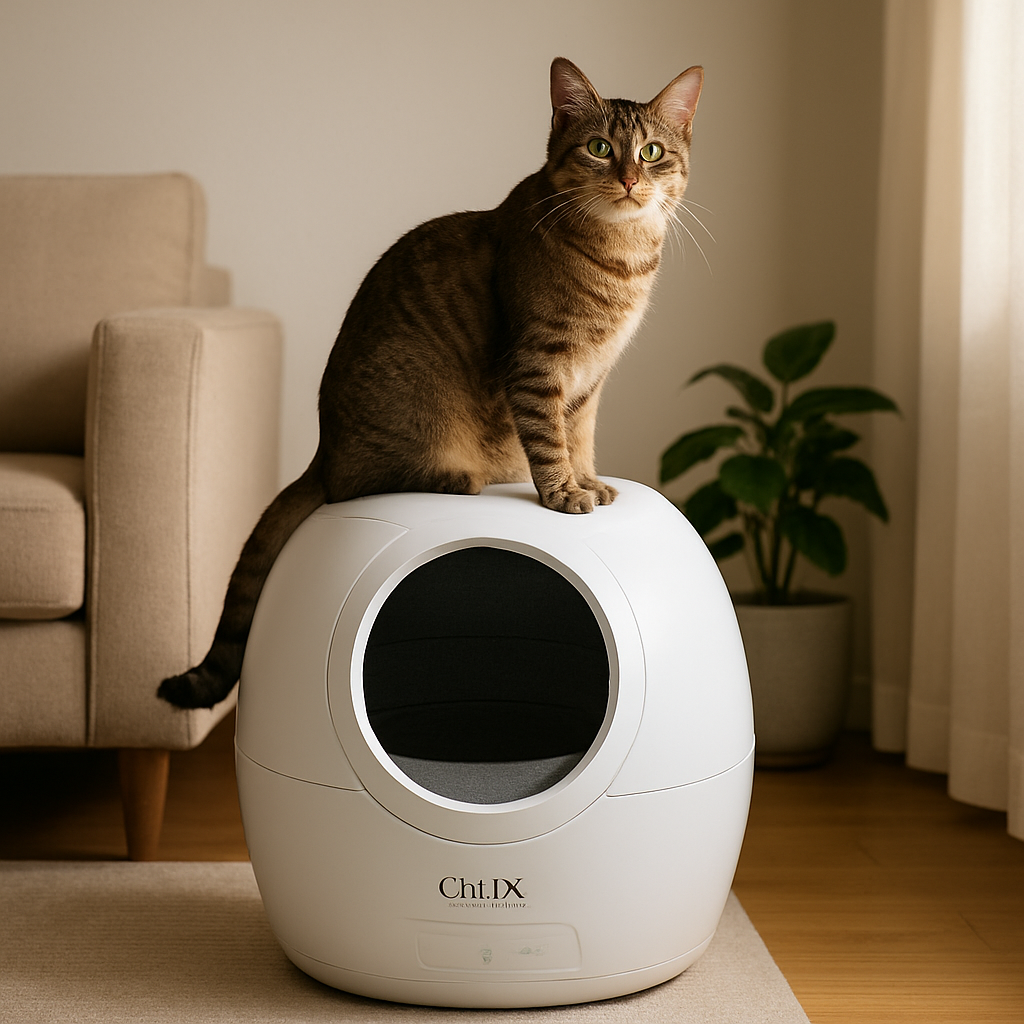
Bottom line: If you’re a cat lover who wants a reliable, quiet, and budget‑friendly self‑cleaning box, the ChillX AutoEgg checks the boxes – literally and figuratively. It may not have the flashiest app, but it delivers consistent performance, safety, and a design that won’t make your living room look like a lab.
Ever wondered if a litter box could actually feel like a tiny health‑clinic for your cat? That’s the vibe you get with the PetKit Fresh Element, and it’s why it’s climbing the ranks in our automatic cat litter box reviews.
First off, the Fresh Element isn’t just a scooper‑on‑auto. It’s a full‑on smart hub that watches, learns, and even nudges you when something’s off. Think of it as the Fitbit you wish your cat had.
The box’s built‑in camera captures a quick snapshot of every stool, then runs a simple AI check for consistency, color, and size. If the system spots a red flag – say, unusually watery poop or a hint of blood – you get a push notification straight to your phone.
That early warning saved one reader in Austin a trip to the vet. Their senior tabby started having soft stools, the app flagged it, and a quick check‑up caught a mild GI upset before it turned serious.
Using the same 180‑degree rotating camera that powers PetKit’s Purobot Ultra, Fresh Element distinguishes each cat by facial features. In a three‑cat household in Seattle, the system logged separate weight trends, helping the owner notice a 0.6 lb dip in the smallest cat’s weight within a week.
That data point prompted a diet tweak that got the kitten back on track.
After each cleaning cycle the unit automatically seals the waste in a dedicated bag. No more digging through a dirty drawer. The refill ring lasts about ten packs, which translates to roughly 20 days of “no‑scooping” for a single cat – the same claim you’ll see on the Purobot Ultra product page.
For busy pet parents, that means a weekend getaway without a litter‑box panic attack.
Fresh Element layers a sealed ShieldBase, a patented brim that channels urine away from the walls, and an activated‑carbon filter that keeps the room smelling like…well, not like a litter box. In lab tests PETKIT measured a 70 % reduction in volatile compounds after just one day.
In real life, a family in Denver reported that the lingering “cat‑box” smell vanished after the first week, even with two adult cats and a kitten.
Twenty high‑precision sensors pause the cleaning cycle the moment a cat steps inside. The cylinder stops rotating, so no tail pinches, no startled jumps.
One senior cat in Portland tried to hop in while the unit was mid‑spin; the sensors halted the motion, and the cat calmly waited until the cycle reset. No injuries, no drama.
Unlike some boxes that force a rigid 5‑minute cycle, Fresh Element lets you set a delay from 5 to 30 minutes after the cat exits. That flexibility is a lifesaver for shy cats who need a few extra seconds to feel safe.
Pro tip: start with a 15‑minute delay, then trim it down as your cats get comfortable.
So, how do you get the most out of this high‑tech box?
And because you love a good visual, here’s a quick demo of the Fresh Element in action:
Notice how the camera swivels, the waste bag seals, and the quiet motor hums under 35 dB – basically a whisper.
If you’re still on the fence, take a peek at PETKIT’s other smart box, the PURAMAX 2. It shares the same safety sensors and odor‑control tech, but Fresh Element adds the AI stool analysis that many cat parents find priceless.
Bottom line: Fresh Element blends health monitoring, odor elimination, and cat‑centric safety into a sleek, quiet package. For anyone who wants to turn “litter duty” into a set‑and‑forget ritual while keeping an eye on their cat’s wellbeing, this model is a solid contender in the automatic cat litter box reviews landscape.
First, check the noise level – most happy cat owners mention a whisper‑quiet cycle (under 40 dB) as a deal‑breaker. Next, see how the sensor works: does it actually pause when a cat’s paw is in the way, or does it keep spinning and scare them? Look for mentions of weight‑sensing accuracy, because that ties into health‑tracking features. Finally, pay attention to maintenance frequency – if reviewers are swapping bags every week, that’s a red flag for hidden costs.
In the reviews we’ve seen, the AI stool‑analysis works best when you use the supplied litter and keep the camera clean. Reviewers say the app flags changes in consistency or color within a few days, giving you a heads‑up before a vet visit. It’s not a substitute for professional advice, but it’s a handy early‑warning system. If you notice false alarms, try recalibrating the sensor or adjusting lighting around the box.
Most owners report swapping the sealed waste bag every 10‑14 days for a single‑cat household, and a little more often if you have multiple cats. The litter itself usually lasts 2‑3 weeks before you need to top it up, depending on the brand and how messy your cats are. A quick tip from our experience: set a weekly reminder on your phone to check the bag level – it saves you from surprise overflows.
Absolutely. Reviewers often note that kittens or senior cats can be jump‑scared by a loud motor. If you live in a bustling apartment, choose a model praised for its quiet operation (many reviewers highlight units that stay under 35 dB). You can also start with the “kitten protection” mode if the box has one, which delays the cleaning cycle by a few minutes, giving a shy cat time to settle.
The biggest complaints revolve around clogged rakes or sensor misreads. A few reviewers say the rake gets jammed by clumping litter that’s too wet, so they recommend using low‑dust, hard‑clumping clay. Sensor issues usually stem from debris on the entry pad; a quick wipe with a damp cloth each week solves it. If you’re dealing with a hair‑heavy breed, a monthly brush‑out of the sensor area can keep false alerts at bay.
Most reviewers agree that clumping clay litter is the safest bet because it forms solid clumps that the rake can easily push into the waste compartment. Silica crystals work in some models, but a few reviews mention increased wear on the moving parts. If you love eco‑friendly wood pellets, look for a box specifically marketed for that material – otherwise you’ll likely see more jams and shorter lifespan.
Take the total cost of ownership into account: purchase price, waste‑bag replacements, and any special litter you’ll need. Reviewers who break down the math often find that a $300 unit with a $15‑monthly bag cost can actually save you money compared to buying premium litter every week. Also, weigh the time you’ll reclaim – many cat parents say they save 3‑5 hours a week, which translates into more cuddle time and less stress.
We’ve taken a deep dive through the top contenders, from the high‑tech Litter‑Robot 4 to the budget‑friendly ChillX AutoEgg, and even the water‑based CatGenie.
What keeps popping up in every automatic cat litter box review? Quiet operation, reliable sensors, and a litter that won’t jam the rake. If a unit can stay under 45 dB, pause when a paw is in the way, and work with hard‑clumping clay, you’re already past the biggest red flags.
From our experience helping cat lovers pick the right gear, we’ve seen the biggest payoff when owners match the box to their cat’s personality – a shy senior appreciates a longer delay before the cleaning cycle, while a playful kitten thrives on the extra scheduled clean‑ups the AutoEgg offers.
So, here’s a quick checklist before you hit “add to cart”: 1️⃣Verify the noise level is whisper‑quiet; 2️⃣Confirm the sensor type (weight vs infrared) fits your cat’s size; 3️⃣Choose a litter brand the manufacturer recommends; 4️⃣Plan a two‑day transition period with the lid open.
Ready to reclaim those late‑night scooping sessions? Pick the model that checks the most boxes for your home, set it up, and let the robot handle the mess while you enjoy more cuddle time today.







Leave a comment