Ever watched your cat twitch its ears, stare at an empty corner, and wonder if something invisible is bugging them?
We’ve all been there—trying to figure out why the once‑playful furball suddenly looks like it’s carrying the weight of the world, and the first thing that pops into our mind is that new calming collar you saw online.
But before you snap one on, it helps to know the calm‑collar side‑effects that can sneak up on even the most chill kittens.
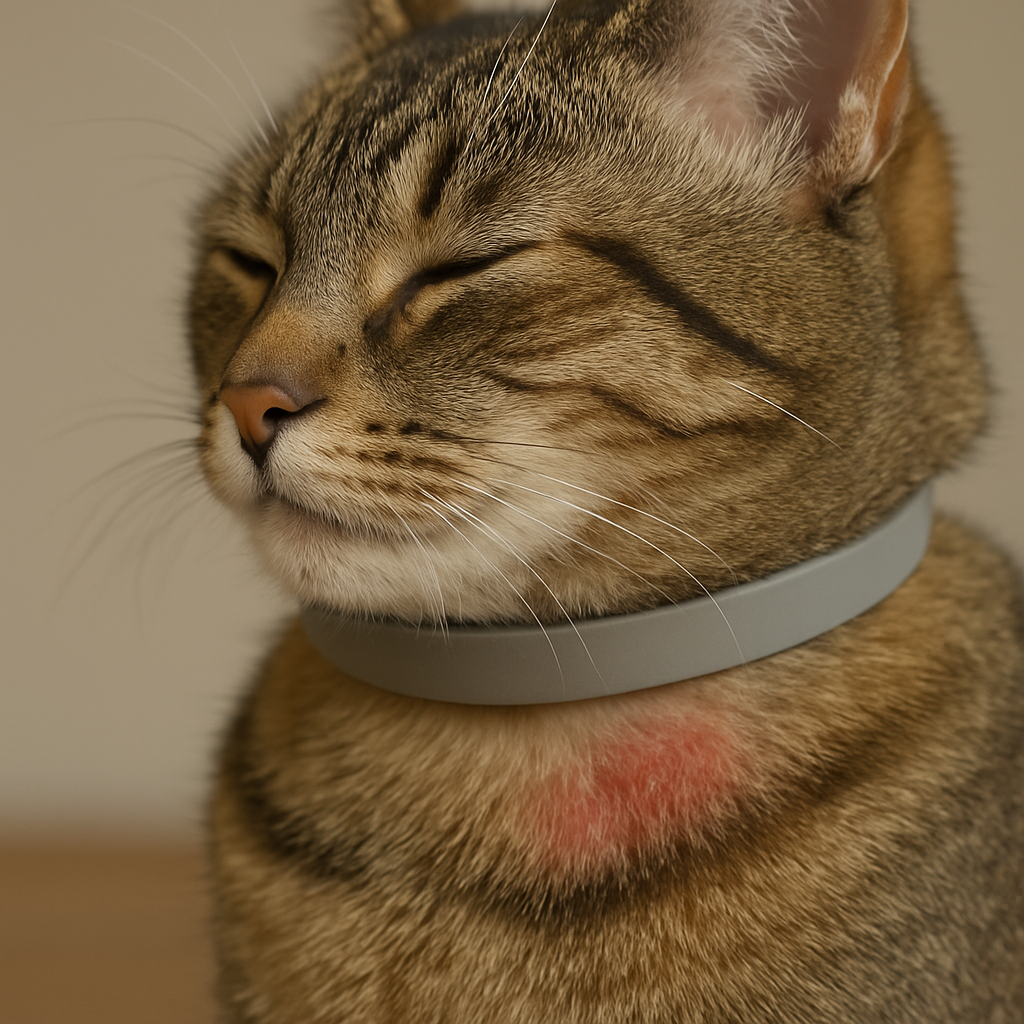
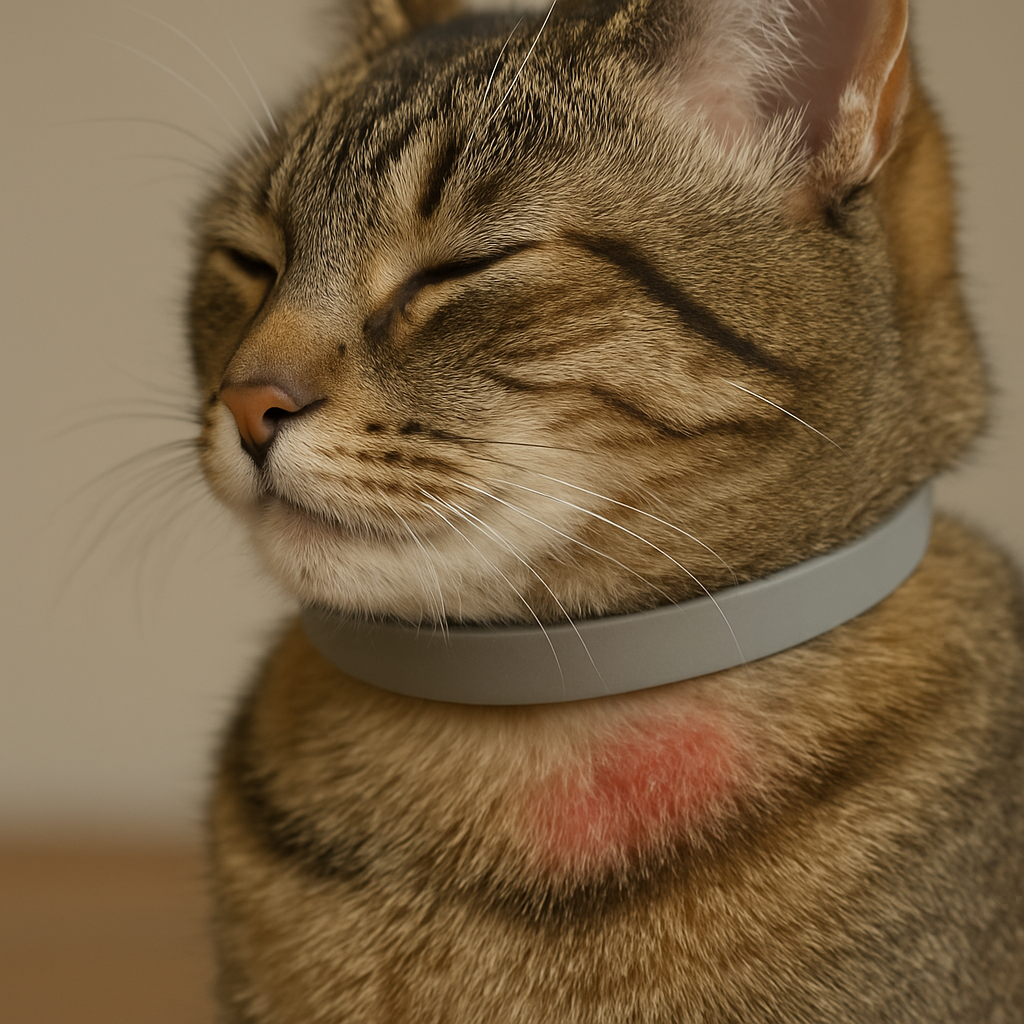
First off, the most common reaction is a mild skin irritation. The synthetic pheromones or essential oils in the collar can cause a little redness or itchiness, especially if your cat has sensitive skin. It’s not always a disaster, but you’ll want to keep an eye on the neck area and give the fur a quick pat to check for any flaking.
Next, some cats experience a temporary change in behavior—think “over‑calm” or even a bit drowsy. That’s the product doing its job, but if your feline seems unusually sluggish for more than a day, you might be dealing with an overload of the calming ingredients.
And then there’s the occasional allergic reaction. It’s rare, but a sudden swelling or a sneezing fit could signal that the collar’s fragrance isn’t playing nice with your pet’s immune system.
Another thing to watch for is the collar slipping or getting tangled. A loose fit can cause a tug on the fur, leading to a sore spot or even a minor injury if your cat tries to shake it off.
So, what can you do? Start by doing a quick patch test: leave the collar on for an hour while you’re at home, then check the skin. If everything looks and feels normal, you can gradually increase the wear time.
And remember, every cat is unique. What calms one might irritate another, so listening to your pet’s cues is the best compass.
In the end, knowing these side effects lets you weigh the pros and cons, making a calmer home a realistic goal rather than a gamble.
Calming collars can soothe anxious cats, but they may cause skin irritation, drowsiness, or rare allergic reactions that pet parents need to watch for. Start with a short patch test, monitor your cat’s behavior and neck skin, and adjust wear time or switch products if any side effect appears immediately.
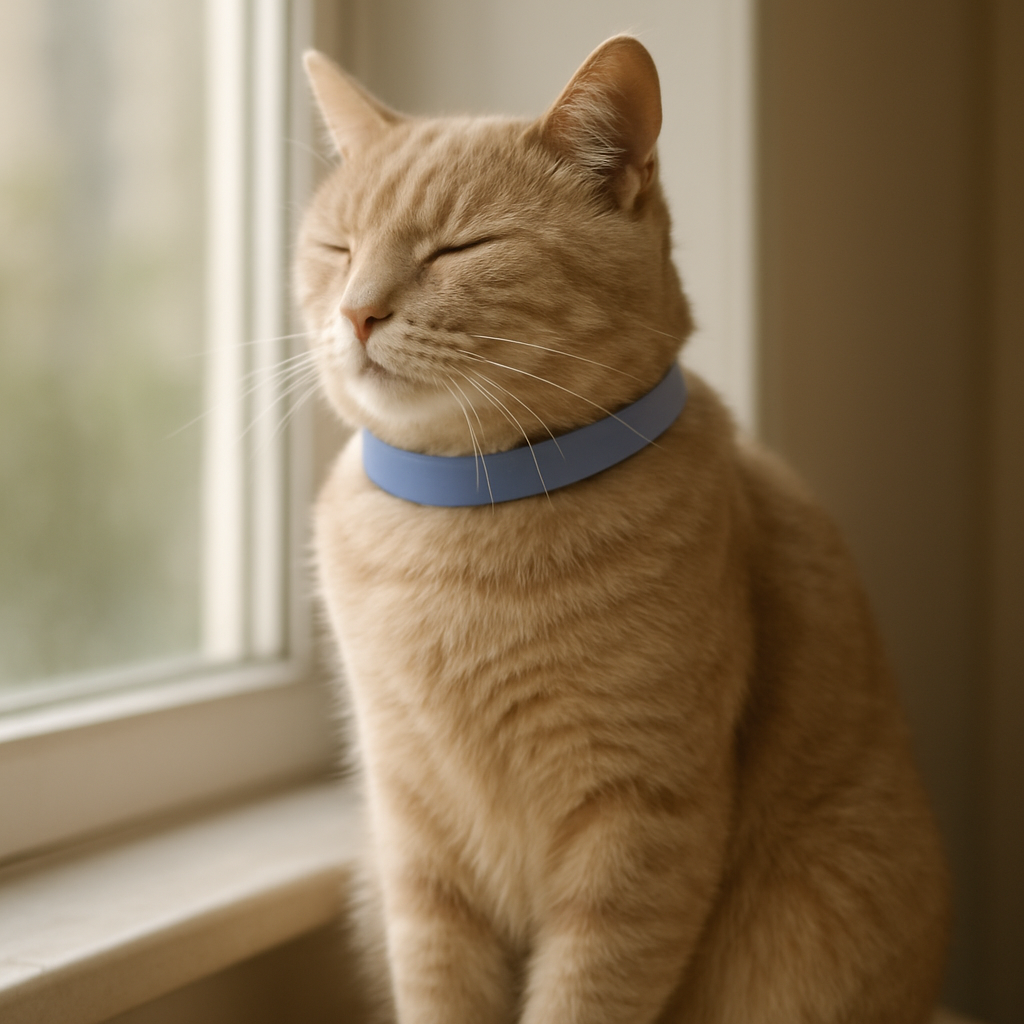
Picture this: you’re sipping coffee, and your tabby, usually the king of the hallway, is perched by the window, eyes half‑closed, tail gently swaying. That sudden chill? It’s often the scent of a calming collar doing its quiet magic.
Most collars on the market tap into two main mechanisms: synthetic feline facial pheromones (usually a copy of the F3 feromone) and a blend of gentle essential oils. The F3 pheromone is the same chemical your cat releases when it rubs its cheeks on furniture, marking the area as “safe.” When a collar slowly releases that scent, it sends a subconscious “all is good” signal to the brain.
On the other side, you’ll find lavender, chamomile, or valerian extracts. These aren’t just for humans; low‑dose essential oils can have a mild sedative effect on cats, similar to a lullaby for the nose. The collar’s fabric is engineered to let these molecules evaporate at a steady rate, so the aroma stays faint—enough to be detected, but not so strong it becomes overwhelming.
How does the release actually happen? Think of the collar as a tiny, timed perfume dispenser. The core material—often a porous polymer—holds the active ingredients. As your cat moves, body heat and friction create micro‑vibrations that push the scent out through tiny pores. That’s why a snug but comfortable fit matters; too loose and the diffusion slows, too tight and you risk skin irritation.
Real‑world example: Mia, a 7‑year‑old domestic shorthair, started meowing at night after a move. Her owner tried a calming collar with synthetic pheromones. Within two days, Mia’s nighttime patrols dropped from an hour to a few minutes, and she settled into a sunny spot for a nap instead. The owner noted a slight faint scent near the collar, confirming the diffusion was working.
But not every cat reacts the same way. Some felines are ultra‑sensitive to scents and may need a gentler approach. Here’s a step‑by‑step checklist you can run through the first week:
Pro tip from our in‑house cat behavior specialist: rotate the collar’s position every few days. Moving it a half‑inch up or down can prevent localized pressure and also gives the scent a fresh “starting point,” which can prolong its effectiveness.
If you find the collar isn’t doing the trick, consider pairing it with other low‑stress tools—like a calming spray. Our Best Cat Calming Spray: Top Picks for Stress‑Free Felines guide walks you through complementary options that work well alongside a collar.
Bottom line: calming collars work by mimicking the natural reassurance signals cats use every day. When used correctly—proper fit, gradual introduction, and monitoring for side effects—they can be a subtle, hands‑free way to turn anxiety into tranquility.
We’ve all been there—your cat seems a little off after you slip a new calming collar on, and you start wondering if you made a mistake. Trust me, you’re not alone. The good news is that most side effects are mild and totally manageable once you know what to look for.
In our experience, the most common things cat parents notice fall into four buckets: skin irritation, behavioral shifts, allergic reactions, and physical nuisances like slipping or tugging. Knowing the signs early can save you a lot of stress (for both you and your furball).
First up, the neck is a sensitive spot. A collar that’s too tight or a fragrance that’s a bit strong can cause redness, itching, or even a little flaking. You might spot a tiny pink patch or notice your cat scratching more than usual. If you see any hair thinning around the collar area, it’s a cue to remove the collar and give the skin a breather.
Our quick test—30 minutes of the collar on a fabric strip—helps catch this before it becomes a full‑blown rash. If the skin looks clear after the test, you can usually move to a few hours of wear. But remember, even a mild reaction can flare up after a day of continuous wear, so keep checking daily.
Next, the collar’s scent can make cats feel extra “chill” or, in some cases, unusually drowsy. You might notice your usually‑energetic tabby lounging in a sunspot for hours, or a typically vocal cat becoming almost mute. A little extra calm is the goal, but if the slowdown lasts more than 24‑48 hours, dial back the wear time.
Sometimes the opposite happens: a cat becomes more agitated because the pheromone blend isn’t a good match for their individual chemistry. Look for signs like pacing, increased vocalizations, or sudden aggression. If those pop up, try a different brand or switch to a non‑scented alternative.
So, what should you do if you spot any of these red flags? A simple daily log can be a lifesaver. Jot down the time you put the collar on, any scratching or rubbing you see, and any changes in activity level. Over a week you’ll have a clear picture of whether the collar is a fit or a miss.
Allergic reactions are the rarest but most urgent side effect. Some cats are hypersensitive to essential oils like lavender or valerian that some collars contain. Watch for swelling, sneezing fits, or watery eyes—those are signals to remove the collar immediately and consult your vet.
Lastly, don’t overlook the mechanical side of things. A collar that slides down or gets caught on furniture can create a sore spot or even a small cut if your cat tries to shake it off. Make sure the collar sits snugly—just enough to slide two fingers underneath. Rotate its position every few days, as we mentioned earlier, to avoid pressure points.
Bottom line: side effects are usually minor and easy to manage with a bit of vigilance. By doing a patch test, keeping a simple observation log, and adjusting fit and wear time, you give your cat the best chance to enjoy the calming benefits without the unwanted drawbacks.
Okay, we’ve walked through the everyday hiccups—scratchy necks, a little extra snoozing, that occasional sneezing fit. But there’s a tiny, unsettling corner of the “calming collar for cats side effects” landscape that pet parents need to keep an eye on. Those are the rare, but potentially serious reactions that can turn a calm evening into a vet visit.
First, picture this: you slip the collar on, your cat seems fine, and an hour later you notice their eyes watering, a puffiness around the jaw, or an odd, labored breath. It’s not the usual mild irritation; it’s something that needs swift action.
Even though these reactions are uncommon, they’re worth knowing because early detection can prevent escalation. Below are the three big ones we’ve seen crop up in the few cases that make it into veterinary reports.
1️⃣ Severe allergic reaction – This goes beyond a simple rash. Think swelling of the face or neck, hives, intense itching, and possibly vomiting. If your cat starts pawing at its throat or looks like it can’t breathe, remove the collar immediately and call your vet.
2️⃣ Skin ulceration or open wound – Some cats are ultra‑sensitive to the essential‑oil blends or the adhesive backing in certain collars. Instead of a red patch, the skin can break down into a painful ulcer that might ooze. It’s a sign the collar’s chemistry isn’t compatible with your cat’s skin barrier.
3️⃣ Respiratory distress – A rare but alarming sign is rapid, shallow breathing or wheezing. In a few documented cases, the volatile oils in a collar triggered a mild asthma‑like response. Again, the first step is to take the collar off and seek veterinary care.
| Side Effect | Key Symptoms | Immediate Action |
|---|---|---|
| Severe allergic reaction | Facial swelling, hives, vomiting, pawing at throat | Remove collar, contact vet ASAP |
| Skin ulceration | Open sore, oozing, intense pain when touched | Take off collar, clean area gently, schedule vet check |
| Respiratory distress | Rapid shallow breathing, wheezing, coughing | Remove collar, keep cat calm, call emergency vet |
So, how do you keep these rare events from catching you off guard? Here’s a simple, no‑frills checklist you can run each time you introduce a new collar.
Day 0 – Patch test: Place a small strip of the collar material on a shaved patch of skin for 15‑20 minutes. If there’s any redness, itching, or swelling, discard the product.
Day 1‑2 – Short wear: Let the collar sit for 30 minutes while you’re home. Watch the neck, eyes, and breathing. No red flags? Move on.
Day 3‑5 – Extended wear: Increase to 2‑3 hours. Keep a quick log: time on, any scratching, any changes in appetite or vocalization.
Day 6‑7 – Full day trial: If everything still looks good, you can let the collar stay on for a full day. Continue to check the back of the neck before bedtime—any new hair loss or crusty spots deserve a closer look.
And remember, even if your cat breezes through the trial, stay vigilant for the next few weeks. Some reactions, especially respiratory ones, can be delayed because the oils build up slowly in the fur.
When in doubt, trust your gut and your vet. A quick phone call can save a lot of stress—for you and your whiskered companion.
Bottom line: the vast majority of cats enjoy the gentle calm that a well‑chosen collar provides. By knowing the rare but serious side effects, having a clear observation routine, and acting fast if something feels off, you’ll keep the good vibes flowing without the scary surprises.
Okay, you’ve got the collar on, the scent is drifting, and you’re hoping for a calmer kitty. But what if something feels off? Spotting the first hint of a calming collar for cats side effects can feel like trying to read a secret code—until you know what to look for.
Right after you slip the collar on, take a minute to glance at the back of the neck. Is the fur looking glossy or does it have a faint pink hue? A little redness is normal after the first few minutes, but anything more than a light flush, especially paired with scratching, could be the start of irritation.
Tip: Use the “two‑finger” rule—two fingers should slide comfortably under the collar. Too tight means pressure, too loose means rubbing.
During the first half hour, stay in the same room (or keep a phone nearby). Watch for any sudden head‑shaking, sneezing, or rapid breathing. Those are the early red flags of a respiratory‑type side effect.
If you hear a soft wheeze or see your cat puffing out its chest, remove the collar right away and give the area a breather.
Grab a sticky note or open a notes app. Jot down the time you put the collar on, any scratching, licking, or changes in vocalization. Even a single line—“Day 1, 30 min, extra grooming”—helps you see patterns over the week.
We’ve found that many pet parents miss a subtle shift in appetite until they write it down. A quick log can turn “maybe” into “definitely.”
After the first 30 minutes, if nothing looks wrong, extend to two hours on Day 2. Check the neck skin again before bedtime. Look for dry flakes, hair loss, or a crusty spot. Those are classic signs of a skin‑related side effect.
Remember, the collar’s essential‑oil blend can build up in the fur. A reaction that shows up after several hours is just as important as an immediate one.
Beyond the physical signs, pay attention to your cat’s demeanor. Is your normally chatty tabby now unusually silent? Or is a laid‑back lap cat suddenly pacing the hallway? Both over‑calmness and heightened agitation can be side effects of the pheromone mix.
Ask yourself: “Is this change temporary, or does it linger beyond a day?” If it’s the latter, you’ve probably hit a behavioral side effect and should dial back the wear time.
Any of those? Take the collar off immediately and call your vet. These are the rare but serious calming collar for cats side effects we all want to avoid.
After a full day trial, give your cat a collar‑free day. This lets you compare baseline behavior and skin condition. If the redness fades and the cat returns to its normal routine, you’ve likely found a safe fit.
If the irritation resurfaces or the behavior stays off, consider swapping brands or trying a non‑scented alternative.
Bottom line: spotting calming collar for cats side effects isn’t rocket science—it’s about a few mindful minutes each day. By following this step‑by‑step routine, you’ll catch the tiny warning signs before they turn into a bigger problem, keeping both you and your whiskered companion stress‑free.
You’ve spotted a little pink flare or a sudden sigh from your cat—what’s the next move? The good news is that most calming collar for cats side effects can be tamed with a few simple habits, and you don’t need a veterinary degree to pull them off.
First thing’s first: make sure the collar sits snugly, not tight enough to dig in and not loose enough to slide. The two‑finger rule is a lifesaver—two fingers should slip under the band with a little wiggle room. If you feel a pinching pressure, gently loosen it and watch for any rubbing marks after a few minutes.
Instead of a full‑day launch, treat the collar like a new snack: start with 10‑15 minutes while you’re in the same room. Note any scratching, head‑shaking, or changes in breathing. If the cat seems fine, add five minutes the next day and watch for any irritation before it spreads.
After each wear session, give the neck a gentle wipe with a damp cloth. It removes excess oils and any residue from the pheromone blend. If you see flaking or hair loss, pause the collar for a “cool‑down” day and let the skin breathe. A simple oatmeal‑based cat shampoo, used sparingly, can soothe mild redness.
Sometimes the collar alone isn’t enough, or it nudges a tiny allergic flare. Adding a calming spray or a diffuser can dilute the scent load and spread the calming effect more evenly. Our own customers have found that rotating a spray with the collar reduces the chance of a single hotspot developing. For a deeper dive on pheromone products, read the guide on managing pet anxiety with pheromones.
Keep a tiny log—paper sticky note or phone note—of the time you put the collar on, what you observed, and any behavior shifts. Look for patterns like extra grooming, sudden hush, or unexpected energy spikes. If a change sticks around longer than 24‑48 hours, consider dialing back the wear time or trying a fragrance‑free alternative.
Red flags that need professional eyes include swelling around the jaw, hives, vomiting, or rapid, shallow breathing. Those are the rare but serious calming collar for cats side effects we warned about earlier. If any of those appear, remove the collar immediately, keep your cat calm, and reach out to your vet.
So, what should you do next? Put the steps into a quick checklist, stick it on the fridge, and refer to it each time you introduce a new collar. By staying observant, adjusting fit, and giving the skin time to recover, you’ll keep the calm benefits while steering clear of irritation.
Bottom line: managing side effects is all about pacing, observation, and a little bit of skin TLC. When you treat the collar like a gradual experiment rather than a set‑and‑forget gadget, you and your whiskered companion get the best of both worlds—peaceful vibes without the itchy aftermath.
Give yourself a few minutes each day to check, and you’ll notice the difference before it becomes a problem today.
We’ve walked through the typical calming collar for cats side effects, so now you might be wondering: what else can you try when the collar feels more like a tiny irritant than a peace‑keeper? The good news is that there’s a whole toolbox of low‑stress options that work hand‑in‑hand with a cat’s natural coping mechanisms.
If you’re looking for something you can slip into food or a treat, herbal blends are a popular fallback. PetMD lists a handful of calm‑inducing botanicals—ashwagandha, chamomile, valerian root, and even lemon balm—that have been shown to lower cortisol or soothe the nervous system in other species.Read more about these herbs on PetMD. A supplement that combines two or three of these ingredients can give a gentle, steady boost without the neck‑area irritation that collars sometimes cause.
Just remember: cats are picky about taste, so start with a tiny amount and watch for any gastrointestinal upset. And, as always, run it by your vet before adding anything new to the diet.
Instead of a collar that releases pheromones right on the skin, a plug‑in diffuser or a spray lets the scent fill the room. The idea is the same—mimic the feline facial pheromone that says “I’m safe here”—but you avoid the direct skin contact that can trigger irritation.
One brand that markets a diffuser for dogs also offers a cat‑compatible formula, and many pet parents report success using the same device in a cat‑only space. The diffuser stays active for weeks, so you get consistent exposure without having to remember daily wear time.Learn how pheromone diffusers work.
Just place it near the cat’s favorite perch, and you’ll often see a subtle shift in behavior within a day or two.
Sometimes the biggest anxiety trigger is a boring, overstimulating environment. Adding vertical space—like a cat tree or wall‑mounted shelves—gives your whiskered friend a place to observe from a safe height. A simple cardboard box with a cut‑out window can become a private “hide‑and‑sniff” nook.
Rotate toys every few days to keep curiosity alive. Puzzle feeders that release kibble slowly also double as mental stimulation and a calming ritual.
Believe it or not, cats respond to certain sound frequencies. Soft classical pieces, especially those with a slow tempo, can lower heart rate. There are even playlists labeled “cat‑calm” that blend gentle harp and piano with ambient nature sounds.
Play the music at a low volume during high‑stress moments—like a vet visit or fireworks— and you’ll often hear a sigh of relief from your cat.
Short, predictable routines give cats a sense of control. If you know your cat gets anxious when you leave the house, try a “departure ritual”: a quick pet, a treat, and a calm voice before you go. Over time, the cat learns that the cue signals a safe return.
Desensitization works well for specific triggers too. If the sound of the dishwasher spikes anxiety, turn it on for a few seconds while offering treats, then gradually increase the duration. The goal is to pair the once‑scary stimulus with a positive experience.
Many manufacturers package the same herbal blends we mentioned earlier into bite‑sized treats. Because the dose is pre‑measured, it’s a low‑effort way to give a steady dose of calm‑support. Look for products that list “natural calming ingredients” and avoid those with artificial flavors or excessive sugars.
Again, a vet check is wise—especially if your cat has a history of food sensitivities.
Every cat is a little different, so you might need to mix and match a couple of these ideas before you find the sweet spot. The key is to keep an eye on any new side effects—just like you would with a collar—and adjust as needed. If you notice your cat becoming overly sedated, reduce the supplement dose or switch to a milder scent diffuser. If irritation appears, ditch the topical option and lean on enrichment or music instead.
Bottom line: you don’t have to rely solely on a collar to calm anxiety. By combining natural supplements, scent diffusers, environmental tweaks, and a dash of routine, you give your cat a multi‑layered safety net that’s gentle on the skin and easy on the mind.
Most cat owners notice mild skin irritation around the neck – a light pinkness, a little itch, or a few flakes of fur. A few cats become a bit more sedated than usual, lounging in a sunny spot for longer than they normally would. Occasionally you’ll see a temporary change in vocalisation, like extra meowing or quietness. These reactions are usually short‑lived and easy to manage.
Start with a quick visual scan after the first 30‑minute wear. Look for redness, swelling, or hair thinning right where the band sits. If you spot a small pink patch, gently feel the area – if it feels warm or the cat starts scratching more than usual, that’s a sign of irritation. A simple wipe with a damp cloth after each session can help you catch early signs.
Yes, a gentle dose of pheromones or calming oils can make a cat feel more relaxed, which often shows up as extra napping. The key is duration: if the drowsiness fades after a day or two, it’s just the collar doing its job. However, if your feline stays lethargic for more than 24‑48 hours, cut the wear time and see if they bounce back.
Remove the collar immediately if you notice swelling, hives, vomiting, or sudden pawing at the face. Rinse the neck area with cool water and keep the cat calm. Contact your veterinarian right away – allergic reactions can progress quickly. In most cases, switching to a fragrance‑free or herbal supplement alternative will avoid the problem.
It’s rare, but volatile oils can trigger mild asthma‑like symptoms in sensitive cats. Watch for rapid, shallow breathing, wheezing, or an open‑mouth panting that isn’t normal for your cat. If any of these appear, take the collar off, give your cat a quiet space, and call your vet. Early detection prevents a bigger emergency.
We recommend a gradual trial: 30 minutes on day 1, two to three hours on day 2, then a full day on day 3 if no issues arise. Keep a quick log of wear time, skin condition, and behaviour changes. If after a week the cat shows no redness, swelling, or prolonged drowsiness, the collar is likely a good fit.
Long‑term concerns are mostly about chronic skin irritation or hair loss where the band sits. Check the neck once a week for any crusty spots or thinning fur. Also, note any recurring behavioural shifts, like sudden aggression during a collar‑wear week that wasn’t there before. If anything persists beyond a month, consider rotating to a different calming method or consulting your vet for a tailored plan.
After wading through the nitty‑gritty of calming collar for cats side effects, you’ve probably felt a mix of relief and lingering questions. That’s exactly what we want – you should walk away knowing the warning signs, the simple steps to monitor, and when it’s time to hit pause.
Remember, the most common hiccups – a faint pink spot, a bit of extra snoozing, or a quick scratch – are usually easy to catch with a 30‑minute watch window and a tiny log. If those signs disappear after a few days, you’ve likely found a fit.
But the rare, serious side effects – swelling, open sores, or rapid breathing – demand immediate action. Remove the collar, keep your cat calm, and call your vet without hesitation.
So, what’s the next move? Keep the collar‑free day in your weekly routine, rotate the band a half‑inch now and then, and stay attuned to any subtle changes in behavior or skin. A little vigilance now saves a lot of worry later.
In our experience, pairing a well‑chosen collar with a calm environment – think gentle music or a favorite perch – gives cat lovers the best chance at steady, stress‑free days. You’ve got the checklist, the signs, and the confidence to decide what works for your furry friend.
Finally, keep this mindset: the collar is a tool, not a magic fix. If you ever feel unsure, pause, observe, and trust your cat’s cues. A calm cat equals a calmer home, and that ripple effect is worth the extra few minutes of care each day.







Leave a comment