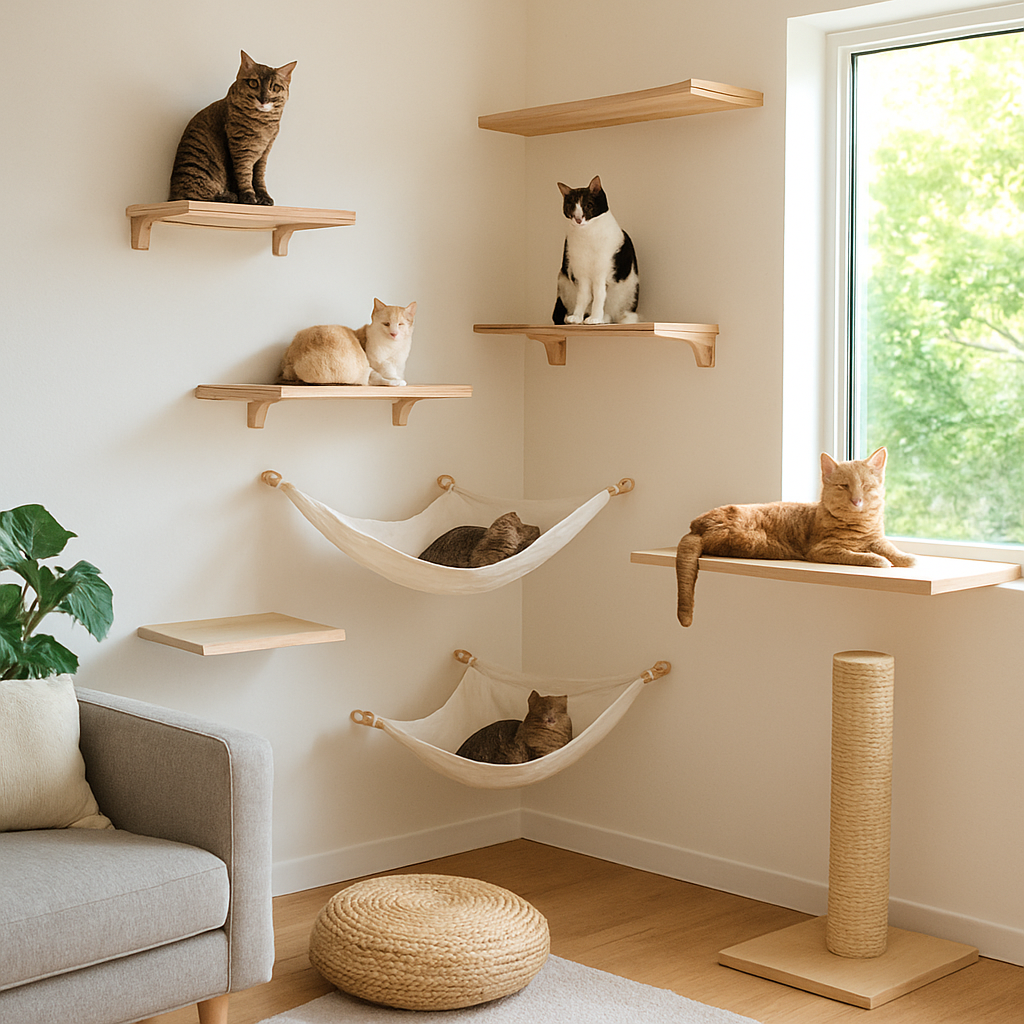
Ever walked into a living room and caught your cat perched on a stray curtain rod, looking like a tiny acrobat who just discovered a new stage? You know that moment when you wonder, “Is my fluffy roommate secretly training for a circus?” That tiny burst of curiosity is exactly why a cat playground indoor can be a game‑changer for both of you.
We’ve all seen the late‑night sprint across the hallway, the sudden leap onto the highest shelf, and the endless fascination with a cardboard box. Those bursts of energy aren’t random; they’re instinctual hunting drills that indoor cats still need to run. Without a proper outlet, that energy often turns into shredded sofas or midnight yowls.
So, what does a cat playground indoor actually look? Think of it as a modular jungle gym designed for your apartment’s corners, windowsills, and even the back of a bookshelf. It can combine scratching posts, dangling toys, cozy perches, and hidden tunnels—all in one tidy package that fits your décor.
Picture this: you’re sipping coffee on a rainy Saturday, and your cat is perched on a multi‑level shelf, watching the world outside through a sunny window. Below, a rope bridge sways gently as your feline paws test its balance. That peaceful tableau is the reward of a well‑planned indoor playground.
But you might be wondering, “Do I really need a whole set‑up, or can a few simple pieces do the trick?” The answer is both. A single sturdy cat tree can start the habit, but adding a few interactive elements—like a hanging feather or a crinkle tunnel—keeps the excitement fresh week after week.
Another common frustration is space. Living in a city flat doesn’t mean you have to sacrifice playtime. Vertical space is your secret weapon. By stacking shelves, wall‑mounted climbers, and hanging hammocks, you create a three‑dimensional adventure without crowding the floor.
And let’s not forget safety. All the pieces we recommend are made from non‑toxic materials, stable enough to survive a determined tumble, and easy to clean—because we know cat hair shows up everywhere.
In our experience, cat owners who invest even a little time into a cat playground indoor report calmer evenings, fewer furniture scratches, and a noticeably happier pet. It’s a win‑win that feels almost like a tiny renovation project with a huge payoff.
Ready to turn that empty corner into a feline wonderland? Stay with us, and we’ll walk through the essential components, budget‑friendly options, and step‑by‑step setup tips that fit any lifestyle.
A cat playground indoor transforms cramped corners into vertical adventure zones, giving your feline a safe outlet for natural hunting instincts while protecting your furniture.
By mixing sturdy shelves, dangling toys, and cozy perches, you can build a budget‑friendly, space‑saving playground that keeps your cat entertained for hours and eases evening stress.
First thing’s first – take a step back and look at the room like you’d scout a new climbing wall for a sport‑obsessed friend. Where does natural light hit? Where does the floor stay cool? Those little clues tell you where your cat will love to perch or sprint.
Grab a tape measure and sketch a quick floor‑plan on a napkin. Mark any windows, doors, and the spots where you already have furniture. If you’ve got a tiny studio, think about cat litter box for small spaces – the same logic applies: you need a footprint that works without crowding the room.
Does the layout give you a dead‑end corner, a narrow hallway, or a tall bookshelf? Those are gold mines for vertical play. Even a slim space between the couch and a wall can become a ladder‑style climber if you mount shelves.
So, what should you do next? Walk around with your cat on a leash (or a treat‑lure) and watch where they naturally gravitate. That’s your sweet spot.
Vertical real estate is the secret sauce for city apartments. A wall‑mounted perch or a tall cat tree takes up almost no floor space but adds several metres of adventure. If you have a sturdy wall near a sunny window, consider a hanging hammock or a series of platforms that can be rearranged as your cat’s preferences change.
And don’t forget the ceiling! Some cat lovers install lightweight rope bridges that swing just a few inches below the ceiling joists. It looks dramatic in a video – check out this quick demo:
Watching the bridge sway can spark your cat’s curiosity and give you a chance to test stability before you commit to permanent hardware.
Every platform you add needs to be anchored securely. Use wall plugs or brackets that can handle a 10‑kg jump. If you’re unsure about the wall type, a simple stud finder can save you from a wobbling perch later.
When you’re mixing materials – wood, rope, fabric – think about slip resistance. A rubber‑backed shelf or a textured grip on a climbing pole helps prevent skidding, especially on polished floors.
And while you’re at it, consider a quick tip from the smart‑home world: a few motion‑activated LED strips can guide your cat at night, reducing the risk of missteps. For those interested, smart home automation options from SmartCitizens can add subtle lighting without a big wiring job.
Now comes the fun part – making it yours. Custom printed stickers, decals, or even a themed mural can turn a plain shelf into a jungle scene. You can order affordable, high‑quality prints from JiffyPrintOnline and apply them to the back of a climbing panel or the underside of a tunnel.
Mix textures: a sisal rope for scratching, a plush hammock for napping, and a dangling feather toy for interactive play. Rotate accessories every few weeks to keep the environment fresh and engaging.
Finally, step back and imagine the daily routine. Will the cat have a clear route from the feeding area to the play zone? Is there a quiet perch for a nap away from the main traffic? A well‑thought‑out flow reduces stress for both pet and owner.
When you’ve nailed the layout, give each element a quick test run. Let your cat explore, note any hesitations, and adjust. The goal isn’t perfection – it’s a space that feels natural enough that you both can relax and enjoy the view.
Remember, a cat playground indoor is an evolving project. Start small, add layers, and watch your feline turn a simple corner into a personal kingdom.
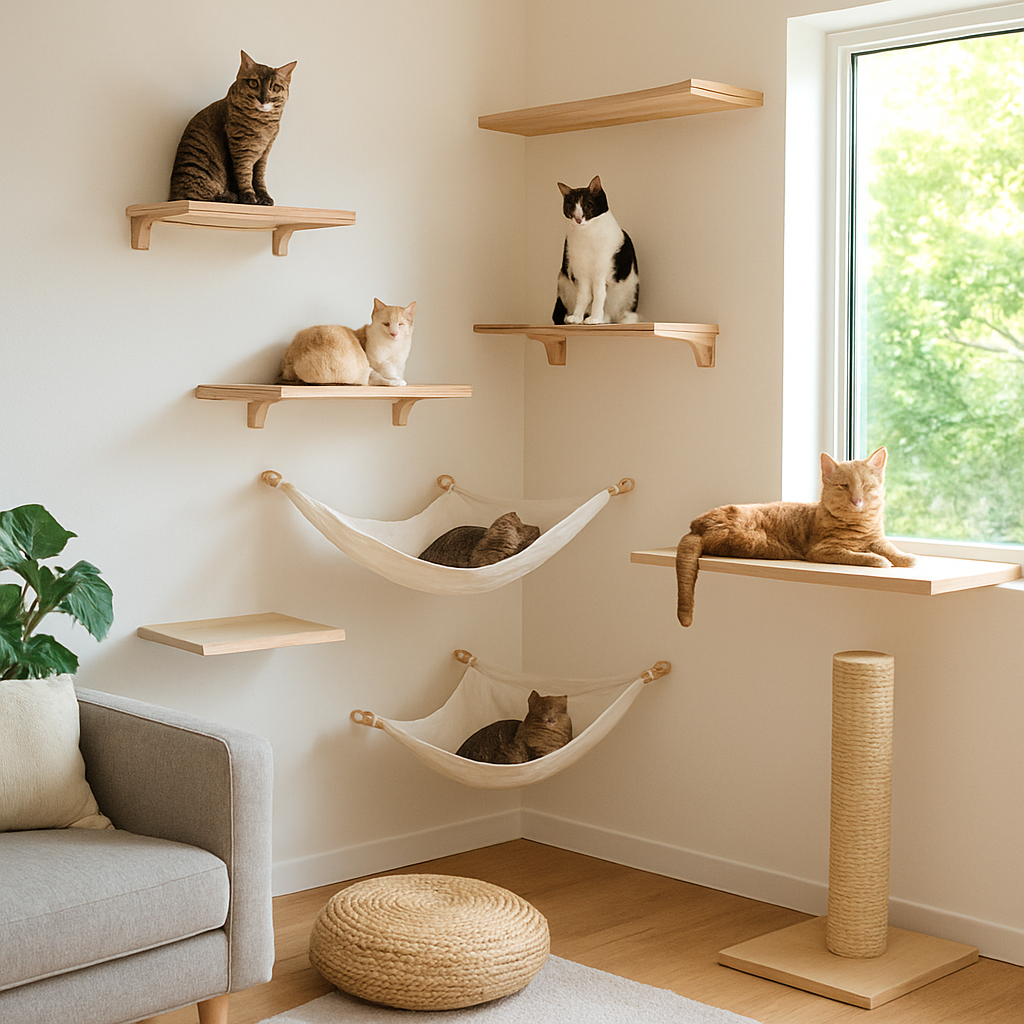
When you start gathering pieces for a cat playground indoor, the first thing that pops into most pet parents’ heads is safety – and that’s a good thing, because a flimsy shelf can turn playtime into a stress test for both you and your whiskered buddy.
Here’s a quick way to think about it: imagine the playground as a kitchen. You wouldn’t serve raw chicken on a cracked plate, right? Same principle applies to the materials you let your cat climb, chew, or lounge on.
Start with the base material. Solid hardwood, untreated pine, or bamboo are top picks. They’re sturdy, non‑toxic, and won’t splinter into tiny shards that could hurt delicate paws. Avoid particle board or cheap MDF that can release formaldehyde fumes when it gets warm.
If you love the look of painted wood, go for water‑based, low‑VOC paints. Let the paint cure completely – at least 24 hours – before letting your cat explore. A quick sniff test helps; if it smells harsh, give it more time.
Next up: fabric and rope. Sisal rope is a cat‑favorite for scratching and climbing because it’s natural and won’t fray into sharp threads. For cushions or hammocks, pick cotton or canvas that’s machine‑washable. Avoid velvet or faux‑fur that can shed tiny fibers and become a choking hazard.
Now the toys themselves. The safest options are those without small detachable parts. Look for solid felt mice, crinkle tubes made from durable nylon, or interactive laser toys that stay glued to a base. If you buy feather wands, make sure the feather is firmly stitched and the string is at least 2 inches thick to prevent accidental swallowing.
A quick test you can do at home: give the material a good shake. If anything rattles loose, it’s a red flag. Also, run your fingers over edges – they should feel smooth, not splintered or sharp.
One thing many cat lovers overlook is the finish on metal components. Powder‑coated steel or stainless steel are rust‑free and easy to wipe down. Skip cheap chrome plating that can chip and expose underlying metal.
If you’re still unsure which products pass the safety test, check out the short video below where we walk through a typical material checklist.
Notice how we pause on the sisal rope and point out the tight knot – that’s the kind of detail that keeps a playground sturdy for months, not just weeks.
To make the decision easier, here’s a quick comparison of the most common safe choices.
| Material | Safety Rating | Cleaning Ease |
|---|---|---|
| Hardwood | High | Wipe or spot clean |
| Bamboo | High | Wipe; can be washed |
| Powder‑coated steel | High | Wipe with damp cloth |
| Cotton canvas | Medium | Machine‑wash |
Use this table as a cheat‑sheet when you’re scanning product listings. If a material scores low on cleaning ease, you’ll end up spending more time wiping down cat hair and less time enjoying the view.
Finally, a short checklist to run through before you click ‘add to cart’: – Verify the material is solid, non‑toxic, and free of harmful adhesives. – Ensure any rope or fabric is tightly stitched and won’t unravel. – Ask yourself whether you can clean it with a damp cloth or in the washing machine. If the answer is yes, you’re good to go.
And remember, a safe playground isn’t just about avoiding injury. It also reduces anxiety, which means your cat will be more inclined to explore, stretch, and nap – exactly the outcome we aim for at Kaotik kollectionz.
So grab a piece of hardwood, a coil of sisal, and start building a cat playground indoor that looks good, feels safe, and keeps both you and your feline smiling.
Okay, picture this: you’ve cleared a wall, you’ve got a few sturdy shelves, and your cat is already eyeing the empty space like a tiny explorer. The trick isn’t just tossing everything together – it’s about shaping a flow that feels natural for both you and your feline.
Think of a cat’s journey as a mini‑adventure trail. Begin low, end high, and sprinkle a few surprises in‑between. That way your cat can sprint up, pause for a snooze, then swoop down without getting stuck.
Ask yourself: where does your cat like to watch the world? Near a window? That’s a perfect spot for the top perch. Where does it love to hide? A tunnel or a cozy nook at ground level works there.
The launch pad is the entry point. A low platform or a sturdy rug works as a springboard. It should be stable enough that a sudden pounce doesn’t wobble the whole thing.
When your cat steps onto the pad, it instantly feels invited to explore higher levels.
Vertical real estate is the secret sauce for small apartments. A sisal rope ladder or a series of staggered shelves lets your cat climb at its own pace.
Tip: Alternate heights by 12‑18 inches. That spacing mimics the natural branches a wild cat would navigate.
Watch your cat test the ladder – you’ll see its confidence grow with each step.
This is the crown jewel. A wide perch placed near a sunny window gives your cat a panoramic view and a warm spot to nap.
Make it extra inviting by adding a plush blanket or a memory‑foam cushion. If you have a smart home setup, a gentle LED strip that glows at dusk can turn the deck into a cozy night‑time lounge.
Now your cat has a throne to survey its kingdom.
Every explorer needs a secret base. A tunnel, a covered box, or a fabric hammock tucked under a shelf offers a retreat when the excitement gets too much.
Place the hide‑away where it’s partially visible – cats love peeking out while feeling safe.
This zone helps reduce anxiety and gives your cat a place to unwind after a play session.
Step 1 – Sketch a rough map on paper. Mark where each zone will sit and draw arrows showing the flow.
Step 2 – Gather your materials. We usually recommend hardwood or bamboo for shelves, sisal rope for ladders, and cotton canvas for hide‑aways.
Step 3 – Install the launch pad first. It’s the foundation of the whole system.
Step 4 – Add the climbing ladder, anchoring each shelf securely.
Step 5 – Mount the observation deck last; it’s the heaviest piece.
Step 6 – Slip in the hide‑away and any toys you’ve chosen.
Step 7 – Test every level with your hand, then invite your cat to explore. Offer a treat on each new perch to encourage movement.
When you finish, step back and watch your cat weave through the zones like a tiny acrobat. The whole idea is to give your cat choices – a place to sprint, a place to perch, and a place to hide – all without crowding your living room floor.
And the best part? You’ve turned a blank wall into a multi‑dimensional playground that keeps your cat happy and your home tidy.
Ever notice how your cat suddenly freezes, ears perked, as a tiny beep echoes from a hidden gadget? That spark of curiosity is exactly the cue we want to harness when we add tech to a cat playground indoor. The goal isn’t to turn your living room into a robot‑lab, but to sprinkle just enough interactivity that your feline stays mentally sharp and physically active.
So, how do we blend gadgets without overwhelming the space or the budget? Below is a step‑by‑step playbook that takes you from “I have a few battery‑powered toys” to “my cat thinks the wall itself is a living puzzle.”
Start by inventorying the types of devices that actually add value. A good rule of thumb: choose items that are silent, low‑profile, and easy to clean. Think of a sleek laser projector that can be mounted under a shelf, a motion‑activated feather wand, or a smart LED strip that glows when your cat steps on a pressure pad.
Battery‑operated toys are great for portability, but they can become a safety hazard if the battery leaks. Opt for rechargeable units with a sealed compartment. Sisal‑wrapped ropes with embedded IR sensors work well because they double as scratching posts and trigger a soft chime when the cat swats them.
One product that illustrates the sweet spot between fun and function is an interactive cat ball toy with obstacle avoidance. It rolls on its own, dodges obstacles, and keeps a cat engaged for minutes on end without any manual input.
Motion sensors are the unsung heroes of a tech‑savvy playground. A simple PIR (passive infrared) sensor mounted near a perch can activate a soft sound or a flash of light the moment your cat jumps up. This creates a cause‑and‑effect loop that encourages repeat behaviour.
If you already use a pet‑camera for monitoring, check whether it has a two‑way audio feature. You can schedule a “talk‑back” cue that says a brief phrase (“hey, kitty!”) and simultaneously triggers a small toy to tumble from a hidden compartment. The surprise element mimics a hunting scenario, which is exactly what indoor cats crave.
When wiring sensors, keep the cables hidden behind baseboards or inside a backer board. Use cable clips that match your wall colour to maintain a tidy look. Remember, safety first – avoid any exposed wires that could be chewed.
Most modern smart plugs come with an app that lets you set timers or respond to motion triggers. Plug a rotating treat dispenser into a smart outlet and schedule it to spin for 30 seconds every two hours. Your cat learns to anticipate the “treat clock,” turning routine feeding into a game.
For the tech‑curious, a basic IFTTT (If This Then That) recipe can link a door sensor to a LED strip. When the front door opens, the strip on the cat’s perch changes colour, signalling “new visitors – time to investigate!” This tiny cue keeps the environment dynamic without you lifting a finger.
If you’re not comfortable with code, many pet‑toy manufacturers bundle a companion app that handles the automation for you. Just follow the setup wizard, assign each device a zone name (e.g., “Launch Pad”), and let the app handle the timing.
After everything is installed, spend a few minutes watching how your cat reacts. Does the laser flicker too fast? Does the LED flash startle rather than entice? Use a treat‑based “reward” system to guide your cat toward the new features – a tiny bite when it steps on a pressure pad, for instance.
Rotate the gadgets every week or two. Cats are notorious for habituating to a stimulus; swapping a feather wand for a rolling ball or adjusting the sensor sensitivity resets the novelty factor. Keep a simple log in your phone: date, device, cat’s reaction, and any tweaks you made.
By following these steps, you’ll turn a static cat playground indoor into an ever‑evolving adventure zone that satisfies both the hunter instinct and the love of novelty. Your cat will thank you with endless pounces, and you’ll enjoy a quieter, happier home.
First thing’s first – you love the look of that sleek cat playground indoor, but after a few weeks the fur starts to settle, the toys lose their sparkle, and you notice a few squeaky joints. It’s totally normal. The good news? A quick maintenance routine keeps everything safe, tidy, and endlessly enticing for your whiskered roommate.
Take five minutes every Sunday to walk the perimeter of each shelf, perch, and tunnel. Look for loose screws, wobbly brackets, or any fabric that’s started to fray. A tiny twist of a screwdriver can save a whole shelf from tipping over tomorrow.
And while you’re there, give the surfaces a quick wipe with a damp microfiber cloth. A little lemon‑scented vinegar solution does the trick on wood, but avoid harsh chemicals that might irritate your cat’s nose.
Cats are masters of habituation – if a feather wand stays in the same spot for weeks, it becomes background noise. Every two weeks, pull out a different toy from your stash and swap it with the one that’s been lounging on the perch.
Even simple things like flipping a crinkle tube upside‑down or hanging a new rope ladder can reignite curiosity. The key is variety, not quantity.
Scent is the secret sauce of a cat playground indoor. A few drops of cat‑safe pheromone spray on a perch, or a dab of dried catnip in a hidden pocket, gives the area a fresh “new‑territory” vibe.
If you notice your cat avoiding a particular level, it might be because the scent has dulled. Swap the catnip or give that spot a light spritz and watch the interest return.
Hammocks, cushions, and tunnel interiors collect fur like a magnet. Spot‑clean spills right away, and give each fabric piece a full wash every month – most cotton canvas or fleece can go in the machine on a gentle cycle.
For wood or sisal components, a quick brush with a pet‑friendly brush removes hair without damaging the material.
Remember those motion‑activated lights or treat dispensers you tucked into the playground? They need power checks too. Once a month, pop the battery compartment, wipe away any dust, and make sure the charging dock is snug.
If a sensor isn’t triggering, a simple reposition – a few centimetres higher or lower – often solves the issue. And don’t forget to update any app firmware so the timing stays spot‑on.
Pick a day each month to do a deeper overhaul. That’s when you might swap an entire shelf for a new design, repaint a wooden plank, or add a fresh layer of non‑slip pads under free‑standing towers.
Mark it in your phone with a reminder: “Refresh cat playground indoor – check bolts, swap toys, wash fabrics.” The habit turns maintenance into a fun project rather than a chore.
It sounds nerdy, but a quick note in a notes app saves you from repeating mistakes. Jot down the date, what you fixed, and how your cat reacted. Over time you’ll see patterns – maybe a certain type of rope ladder always gets shredded after two weeks, or a particular perch gets more use in winter.
This log also helps you plan future purchases, so you invest in the pieces that truly last.
And here’s a little pro tip from our team at Kaotik kollectionz: we love bundling a spare set of replacement screws with every large playground kit. Keep those tiny packets in a drawer near the play area; when a screw goes missing, you’re already prepared.
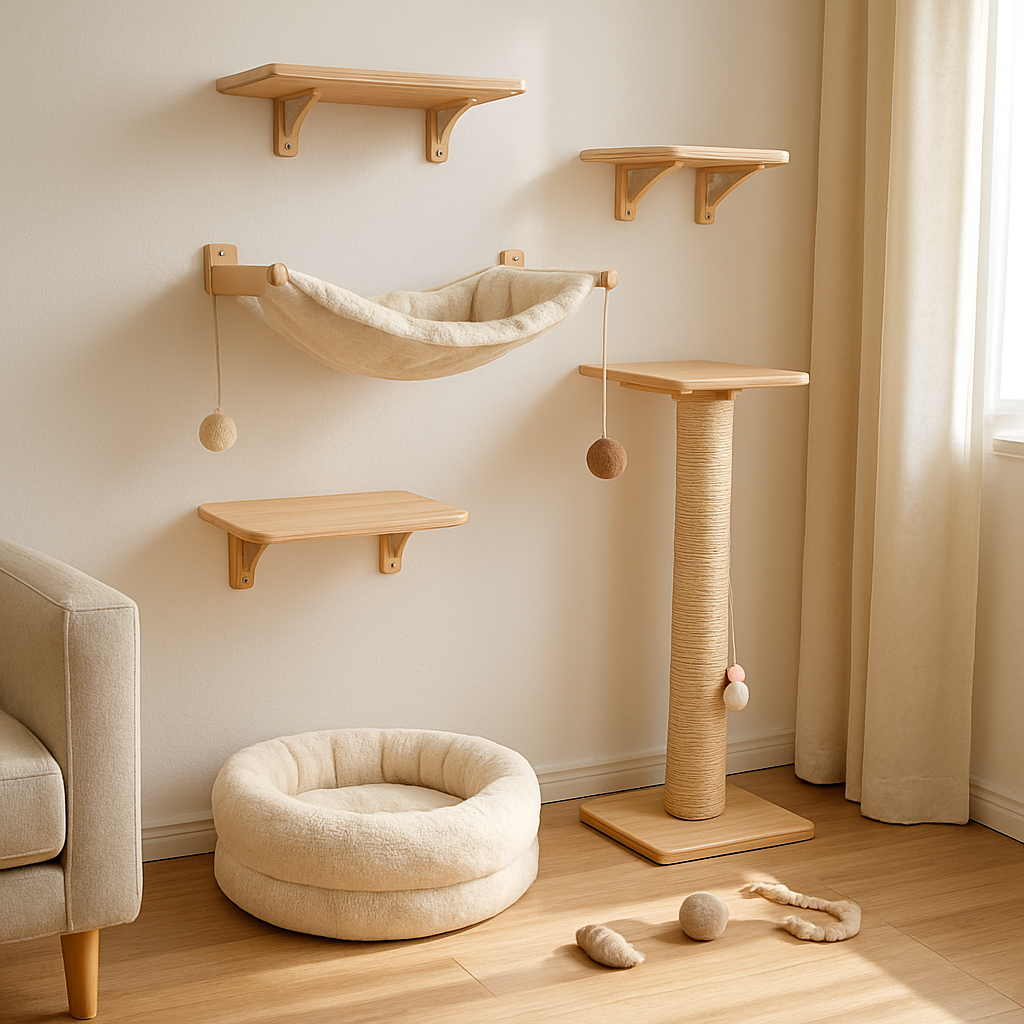
Bottom line? A cat playground indoor doesn’t need a full remodel every season – just a handful of quick, regular habits. By sweeping, rotating, scent‑refreshing, cleaning, testing tech, scheduling a refresh day, and logging what you do, you’ll keep the space safe, stimulating, and looking good enough to make any cat (and guest) jealous.
So far we’ve walked through everything you need to keep a cat playground indoor fresh, safe, and endlessly entertaining – from weekly sweeps to swapping out toys like you change the TV channel.
Remember, the magic lives in the little habits: a quick visual check for loose screws, a gentle wash of fabrics, and a scent boost with a dab of cat‑safe pheromone or a pinch of catnip. Those tiny actions prevent big problems later.
When you test each perch with a firm push, you’re not just checking stability; you’re giving yourself peace of mind that your feline can leap without worry. If a shelf feels wobbly, tighten it now – it’s way easier than a mid‑night rescue mission.
Keeping a simple log in your phone or notes app may sound nerdy, but it’s the secret weapon we’ve seen turn chaotic repairs into predictable upgrades. Jot down the date, what you fixed, and how your cat reacted, and you’ll spot patterns faster than you can say “rope ladder.”
Finally, think of your playground as a living space that evolves with your cat’s moods and the seasons. Set a monthly “refresh day,” swap a toy, rotate a perch, and watch the excitement return.
Ready to put those habits into action? Grab a pen, schedule that first sweep, and let your cat reclaim the room as its own adventure zone – you’ll both thank yourself for the extra smiles.
Start by watching how your cat already moves around the house. Most adult cats feel safe on platforms that are 12‑18 inches off the ground, while seniors love lower steps they can step onto without a big leap. If you’ve got an 8‑foot wall, you can stack three to four levels, leaving a couple of escape routes on each tier so your cat never feels trapped.
Go for solid hardwood, bamboo, or powder‑coated steel – they’re sturdy, non‑toxic, and won’t splinter. Avoid cheap particle board or low‑grade MDF, which can release fumes when they warm up. For fabric‑covered spots, choose cotton canvas or fleece that’s machine‑washable, and make sure any rope or sisal is tightly knotted so it won’t unravel under claws.
We’ve found a quick Sunday sweep works wonders. Spend five minutes checking every screw, bracket, and joint; tighten anything that feels loose. Wipe down wood or metal with a damp cloth and give fabric pieces a spot‑clean or a full wash once a month. A brief visual check every week plus a deeper monthly “refresh day” keeps the whole setup safe and fresh.
Absolutely – a light spritz of cat‑safe pheromone spray on a new perch can make it feel like fresh territory. A pinch of dried catnip tucked into a hidden pocket works the same way. Just keep it subtle; a little goes a long way, and if you notice your cat avoiding a spot, swap the scent or give it a gentle wipe and try again.
Rotation is the secret sauce. Every two weeks, flip a crinkle tube, swap a rope ladder for a new hanging toy, or change the colour of a smart LED strip. Treat each change like a mini‑re‑launch – a few treats on the new element encourage exploration. By regularly mixing up textures, heights, and scents, you keep curiosity alive without buying a whole new playground.
Think vertical, not horizontal. Wall‑mounted shelves, a hanging hammock, and a thin rope ladder use almost no floor space but give your cat multiple levels to explore. Use a backer board if studs aren’t perfectly spaced, and anchor everything securely. Pair the setup with a low launch pad – a sturdy rug or plank – so your cat can start the climb without needing a lot of room to run.







Leave a comment