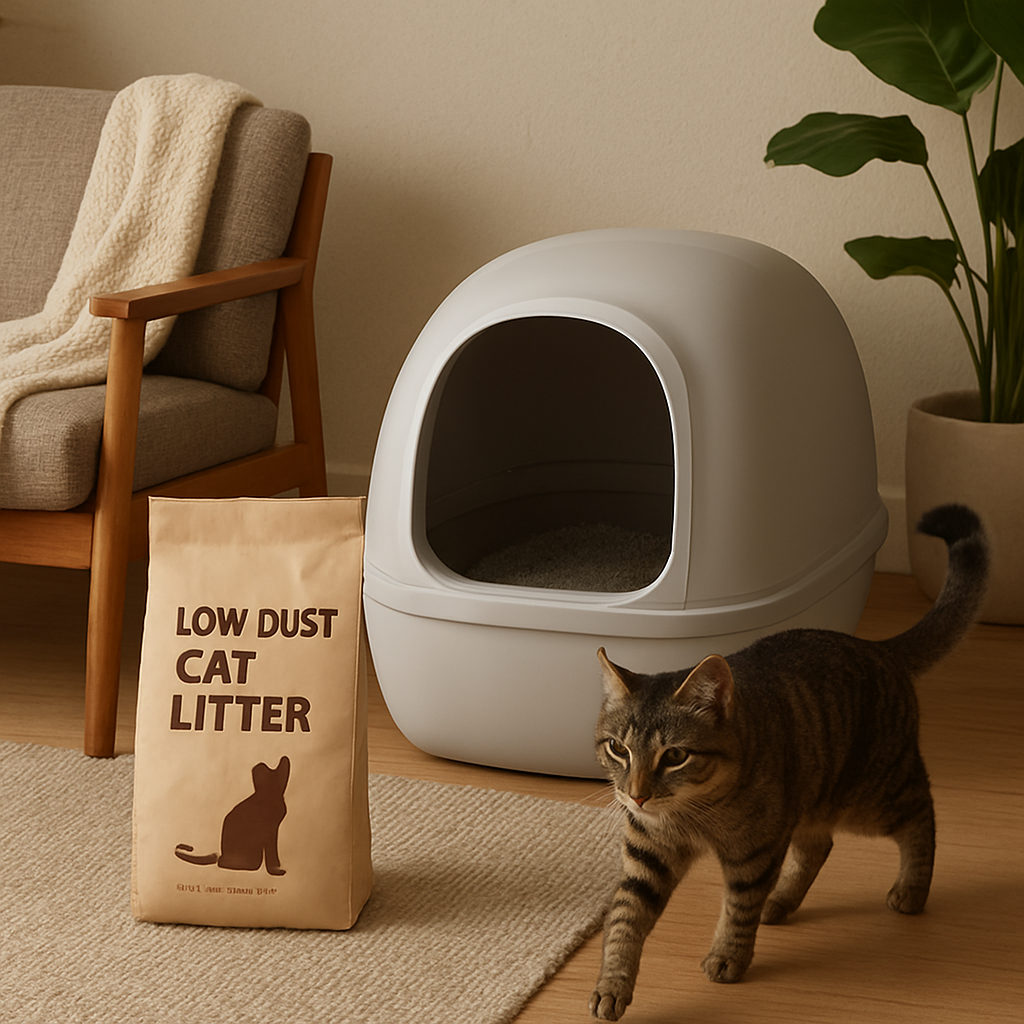
Ever stared at a half‑filled litter tray and thought, “There’s got to be an easier way?” You’re not alone. Between work, errands, and the occasional cat‑induced chaos, keeping the box clean can feel like a never‑ending chore.
That’s where a cat litter box subscription swoops in like a friendly neighbour with a spare bag of groceries. Instead of scrambling to remember when you ran out of clumping litter or hunting for the right size box, a subscription delivers fresh litter—and often the perfect box—right to your door on a schedule you set.
Imagine waking up on a Saturday morning, coffee in hand, and finding a sealed bag of low‑dust, odor‑locking litter waiting on your porch. No more last‑minute trips to the pet aisle, no more guessing whether the old litter is still effective. It’s a small win that frees up mental space for the things you really enjoy—like watching your cat chase a laser pointer.
And it isn’t just about convenience. Regularly using the right litter can cut down on odors, reduce tracking, and keep your feline’s paws healthier. When the right product arrives on time, you’re less likely to overfill the box or let it sit too long—both common triggers for unpleasant smells.
So, what’s the first step? Take a quick inventory of what you currently use—type of litter, box size, and how often you empty it. Then, match those needs to a subscription plan that lets you tweak the frequency or switch brands if you want to experiment. Many services even let you pause deliveries when you’re on vacation, so the box never runs dry but you don’t waste litter you won’t use.
Bottom line: a cat litter box subscription turns a nagging household task into a set‑and‑forget routine, giving you more time for the fun stuff—like cuddling your cat while it proudly surveys its pristine throne.
A cat litter box subscription delivers fresh, low‑dust litter right to your door on the schedule you set, eliminating last‑minute store trips and keeping your home smelling clean. By automating this routine, you free mental space for cuddles, playtime, and other pet‑parent joys while ensuring your feline always has a fresh, odor‑free throne.
Ever opened a litter box and thought, “Is this really what my cat wants?” That split‑second pause is the perfect cue to pause and actually assess what your feline prefers.
First, think about the litter type. Some cats swear by clumping corn‑based blends because they can dig and bury, while others hate the dust from clay and would rather have a silica gel crystal that stays dry. If your cat sneezes or you notice paw prints spreading across the floor, it’s a sign the current mix isn’t working.
Next, check the box size. A rule of thumb is the box should be at least as long as your cat from nose to tail tip, plus a few extra inches. Too‑small boxes make cats feel cramped, leading to avoidance or accidental messes. Measure your cat’s length and compare it to the dimensions printed on the box you’re using.
Now, observe your cat’s behavior. Does it spend a long time digging, or does it hop in, do its business, and dash out? A heavy digger benefits from a deeper, more absorbent litter, while a quick‑stop cat may be fine with a thinner layer. Watching the ritual gives you clues about texture preferences.
Health matters, too. If your vet has mentioned urinary issues, low‑dust or unscented litters can reduce irritation. Some senior cats develop arthritis, so a softer, lightweight litter makes it easier for them to step in and out.
How often do you actually change the litter? A weekly scoop is a baseline, but a full change every 2‑3 weeks is ideal for odor control. If you’re finding yourself scrambling for fresh bags, that’s a red flag that your subscription schedule might be off.
Multiple cats? Then you’ll need a larger box or multiple boxes, and possibly a litter that controls tracking better. Cats are territorial, so giving each a personal space can prevent stress‑induced accidents.
Scent preferences are personal—some cats love a faint lavender hint, while others will avoid anything scented. If you’re unsure, go fragrance‑free and let your cat decide.
Finally, think about budgeting. A cat litter box subscription lets you fine‑tune the delivery frequency so you never over‑stock or run out. Matching the litter type you’ve settled on with a flexible plan saves money and keeps the box ready for your cat’s next visit.
Pro tip: printable labels can help you track delivery dates and litter types. Jiffy Print Online (https://jiffyprintonline.com) offers affordable custom labels that stick right onto the bag, so you always know what’s inside.
If you enjoy a little extra organization, consider a cute, cat‑themed planner from Gratitude Studios (https://www.gratitudestudios.ca). It’s a fun way to note litter changes, vet appointments, and any quirks you’ve observed.
And because every cat parent deserves a little style, check out IGZ Clothing (https://igzclothing.com) for minimalist cat‑owner apparel that reminds you to stay on top of the litter routine while looking good.
Take a moment after watching the video to write down three things you’ve learned about your cat’s litter preferences. Then compare those notes with the current product you’re using—if they don’t line up, it’s time to tweak your subscription.
Alright, you’ve got your numbers on paper – litter type, box size, cat count – now it’s time to look at the actual plans on the table. This is where the magic (or the mess) happens, because a tiny price difference can mean a big shift in waste, convenience, and even your cat’s happiness.
First, grab that cheat‑sheet you just filled out. You’ll need three things in front of you: the monthly cost, what you actually get for that price (bag size, box size, any extra perks), and how flexible the schedule is. If a plan locks you into a four‑week cycle but you’re traveling next month, that could be a deal‑breaker.
Second, think about your cat’s quirks. Does Whiskers dig a 5‑inch deep pit? Does Luna prefer a covered box? Those details will dictate whether a standard box will do or you need the XL version.
Below is a quick side‑by‑side of the most common subscription choices you’ll encounter. It’s stripped down to the basics, so you can spot the sweet spot for your household at a glance.
| Plan | Monthly Cost | What’s Included |
|---|---|---|
| Kitty Poo Club – Standard | $19.99 | 1‑bag litter (19″ × 15″ × 10″ box), free shipping, leak‑proof lining, 9 litter types to choose from |
| Kitty Poo Club – XL | $34.99 | 2‑bag litter, larger box (22″ × 18″ × 10″), same 9 litter options, free shipping |
| Buy‑in‑Bulk (no subscription) | ~$25 for a 20‑lb bag | One large bag, you handle storage & delivery, no recurring charge |
Notice how the XL plan costs about $15 more than the standard, but you get double the litter. If you have two cats sharing a box, that extra cost usually pays for itself within the month.
1️⃣ Calculate per‑cat cost. Divide the monthly price by the number of cats you’re feeding. A $20 plan for one cat is $20 per cat, but the same $20 plan for two cats drops to $10 each – a solid saving.
2️⃣ Factor in shipping. Most subscription services, like Kitty Poo Club, include free shipping. If you buy bulk from a retailer that charges $5‑$7 per order, that adds up quickly.
3️⃣ Watch for hidden fees. Some sites tack on a “handling” charge for each shipment. Scan the checkout page for anything that isn’t clearly labeled “shipping.”
4️⃣ Look for flexibility. Can you pause the plan when you’re on vacation? Can you switch litter types mid‑year? A service that lets you adjust the frequency without penalty is worth a few extra dollars.
Imagine you have a senior cat that needs a low‑dust, clumping litter. You pick the Standard plan at $19.99, but after three months you notice the bag runs out a week early. Switching to the XL for $34.99 eliminates the refill scramble and saves you the time (and mental load) of reordering. Even though the monthly price jumps, you’re actually paying $0.85 per pound instead of $1.20 per pound – a 30% cost reduction.
If you live in a small apartment with limited storage, a full‑size box might feel like a clutter hazard. In that case, buying a single bulk bag and keeping a small, refillable container on hand could be smarter. The key is to weigh convenience against space and cash flow.
Another edge case: multi‑cat households that each have distinct litter preferences. Some subscription services let you mix‑and‑match, but many lock you into a single type per order. If you need two different litters, you might end up ordering two separate plans – which could cost more than a one‑off bulk purchase.
By running these quick numbers, you’ll land on a plan that feels like a win rather than a waste. And if you ever need a fresh perspective, platforms like PetSafe’s litter box lineup can give you ideas about what features to look for in a subscription‑ready box.
Okay, you’ve already sized the box and crunched the numbers – now the real soul‑search begins: which litter actually works for your fur‑ball and your wallet? It’s easy to feel overwhelmed because the market is full of clumping clay, silica crystals, wood pellets, and even biodegradable corn‑based mixes. The good news? Picking the right type doesn’t have to be a gamble if you break it down into a few simple questions.
First, remember that cats are picky eaters and even pickier about their bathroom floor. Does your cat dig deep and love to kick the litter around? A heavier, low‑dust clumping clay (think traditional “blue” litter) usually holds up to vigorous digging. If your kitty is a light‑tapper who skims the surface, a silica crystal like Fresh Step can keep the dust down and still lock in odor. We’ve seen many of our readers swap to a crystal blend after a roommate complained about “cat‑dust clouds” – the change was almost instant.
And what about health concerns? If your cat has a history of urinary issues, you might appreciate a health‑monitoring litter such as Pretty Litter, which changes colour to flag potential problems. The tuftandpaw comparison points out that Pretty Litter’s colour‑changing feature can be a real early‑warning system, while Fresh Step focuses more on odor control and affordability learn more about the trade‑offs.
Take a quick look at your monthly usage. If you have two cats and a standard‑size box, a 20‑lb bag of clumping clay might last 4‑5 weeks. A 16‑lb bag of crystal litter can stretch a bit longer because the crystals absorb more waste per pound. When you pair the right bag size with a subscription plan, you avoid the dreaded “out of litter” panic. A recent roundup of cat subscription boxes highlighted that services like Kitty Poo Club let you choose bag weight, which helps you sync delivery with actual consumption see the full guide.
Does price matter? Absolutely. Crystal litters tend to carry a higher per‑pound cost, but because you use less of it, the overall monthly spend can be comparable to cheaper clay options. Write down the per‑pound price, then multiply by the number of pounds you expect to use each month – that simple math often reveals hidden savings.
So, which litter feels right for you? Imagine opening your mailbox and finding a sealed bag that matches the exact type you chose. No trial‑and‑error, no extra trips to the store, just a smooth, predictable routine. That’s the power of a well‑matched cat litter box subscription.
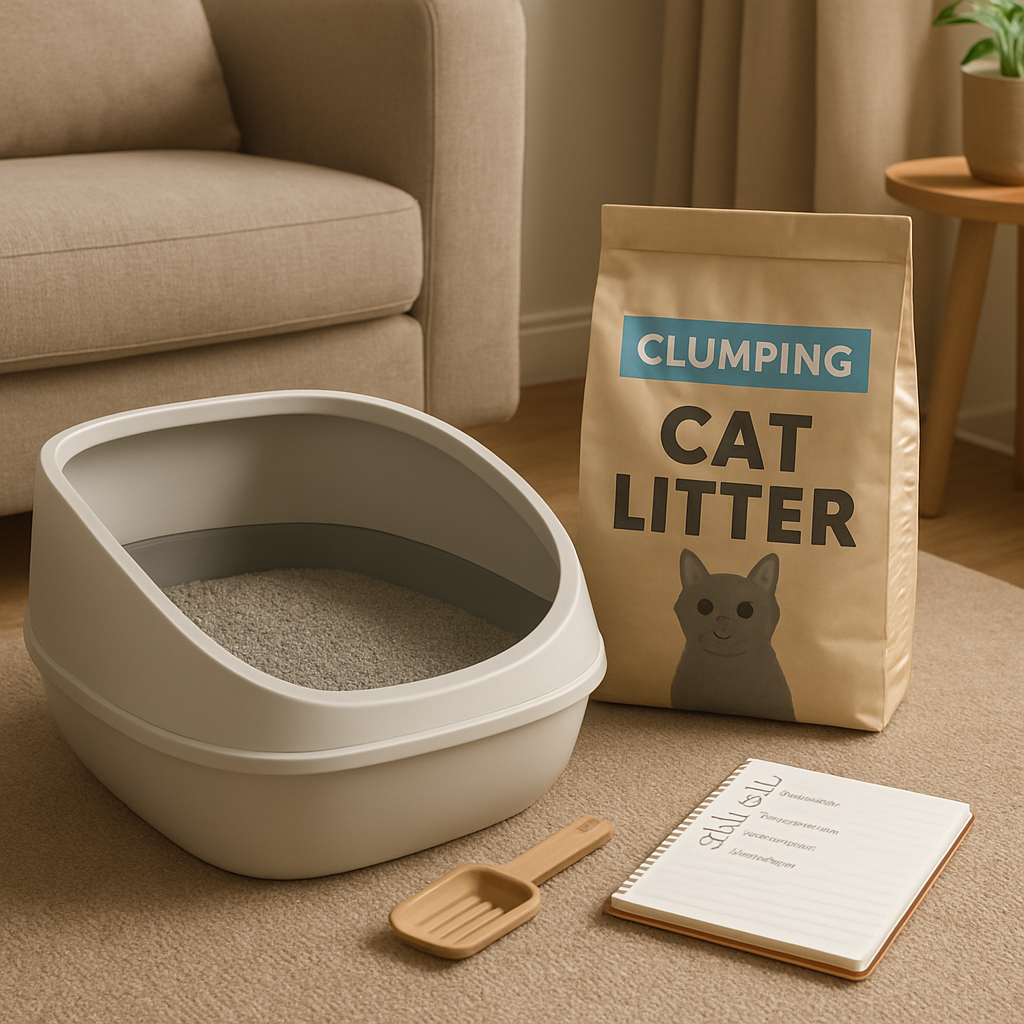
Finally, give yourself a tiny test run. Most subscription services let you pause or switch after the first month, so order the litter you think fits best, monitor how long it lasts, and note any scent or tracking issues. If something feels off, adjust the type before you lock into a year‑long plan. In short, treat the choice like a mini‑experiment – the data you gather now saves you time, money, and a lot of litter‑related frustration later.
Now that you know which litter fits your cat’s personality, it’s time to tell the subscription service when to show up. The magic isn’t just in the bag – it’s in the rhythm you create.
Start by looking at your usage data from Step 1. If a 20‑lb bag of clumping clay lasts you about 28 days, a four‑week delivery is a safe baseline. But life isn’t always that neat. Maybe you travel every other month, or your senior cat uses a bit less litter. In those cases, set the schedule to “every 3 weeks” or “every 5 weeks” – most services let you fine‑tune the interval without extra fees.
Here’s a quick checklist to help you decide:
When you’ve got those numbers, plug them into the subscription calculator on the provider’s site. You’ll see a clear picture of how many pounds you need each cycle and can avoid that dreaded “out of litter” scramble.
Most cat litter subscriptions work like a simple SaaS platform. After you place your first order, you’ll get an activation email. Click the link, set a password, and you’ll land on a dashboard where you can tweak everything.
In our experience, the Catalyst pet portal makes it easy: a “Manage Subscription” button takes you straight to the settings page. From there you can update payment info, change the litter formula, or edit the shipping address – all without calling support.
Imagine you’re heading out for a two‑week road trip. Instead of letting a bag sit unused, log in, hit “Delivery Schedule,” and hit “skip” for the weeks you’re away. Some services even let you “skip and save” by rolling the skipped weeks onto the end of your subscription, so you never lose a day’s worth of litter.
Pro tip: Keep a spare bag in a closet. If a delivery gets delayed, you can swap it in and avoid an emergency run to the store. It’s a tiny buffer that saves a lot of stress.
Every month, you’ll get an email receipt that includes the exact weight shipped. Compare that to the weight you actually used (a kitchen scale works fine). If you’re consistently using less, reduce the bag size or stretch the interval by a few days. If you’re consistently running out early, upgrade to the next bag size or add a “mid‑month top‑up” option if the provider offers it.
One real‑world example: a busy Seattle cat mom noticed her 16‑lb crystal bag was empty after just 22 days. She switched to a 20‑lb bag and set the interval to “every 5 weeks.” The result? No more last‑minute orders and a 12% drop in her monthly spend because the larger bag had a lower per‑pound price.
Turn on push notifications or text alerts. Most platforms let you choose email, SMS, or in‑app alerts. A gentle reminder the day before a shipment arrives lets you double‑check the address – perfect for those who move often or have multiple delivery points.
And if you’re the kind of person who loves a visual cue, consider printing a simple label with the next delivery date and taping it to your fridge. A quick search for “custom subscription labels” will point you to services that can print tiny stickers for under a dollar each. JiffyPrintOnline offers affordable custom labels that can add a personal touch to your litter box deliveries.
By treating your cat litter box subscription like a tiny, automated inventory system, you free up mental bandwidth for the things that truly matter – like playing with your feline or finally getting that quiet evening you’ve been craving.
Ever feel like you’re constantly juggling scoops, bags, and the occasional “oops” smell? You’re not alone—most cat parents admit the litter box is the one chore that never quite disappears. The good news is that a cat litter box subscription gives you a predictable flow of fresh litter, but you still need a routine to keep the box truly clean.
Take the delivery date you set in Step 4 and mark it on the same calendar you use for grocery runs. When the bag arrives, do a quick visual check: if the litter looks clumped or the odor spikes, scoop it right then. A simple rule of thumb is “scoop at least once a day, plus a deeper clean whenever a new bag lands.” This prevents the build‑up that can turn a fresh bag into a stinky surprise within a week.
Many subscription services ship the litter in a thin, resealable liner. If you’re using clumping clay, a disposable liner helps contain tracked litter on the floor and makes the whole box easier to lift. For silica crystal or wood pellets, a breathable liner reduces moisture retention, which in turn keeps the crystals from turning soggy. In our experience, swapping the liner once a month cuts cleanup time by about 30%.
Adding a smart litter‑box monitor can surface hidden issues before they become emergencies. The Petivity Smart Litter Box Monitor tracks weight changes and visit frequency, sending you a push notification if your cat starts using the box more—or less—than usual. That little nudge often points to a health hiccup or a litter‑type dislike, giving you time to adjust the subscription or consult a vet.
Even the best‑timed subscription can hit a hiccup—think delayed shipping or a sudden surge in usage after a new kitten arrives. Keep a spare bag in a pantry shelf, sealed in a zip‑lock or a small plastic bin. When the backup is in place, you won’t scramble to the store, and the box stays stocked, which means fewer odors and a calmer cat.
Beyond daily scooping, schedule a deeper clean every 7‑10 days. Empty the entire box, rinse it with warm water (no harsh chemicals—just a splash of mild dish soap works), and let it air dry completely before refilling. If you use a self‑cleaning model, follow the manufacturer’s instructions; many units, like those highlighted by Litter‑Robot, have a removable waste drawer that benefits from a quick wipe‑down.
Changing the box’s location can reset a cat’s routine, leading to missed scoops and accidents. If you must move it—say, because you’re redecorating—do it gradually. Place a second, empty box next to the original for a few days, then slowly transition the litter. This “soft swap” keeps your cat comfortable and reduces the temptation to dig outside the box, which otherwise adds extra mess to clean up.
Many subscriptions include optional odor‑control packs or carbon filters. Rotate these every month, and check the manufacturer’s recommended replacement interval. A well‑maintained filter can cut perceived odor by up to 70% in a closed‑door room, according to independent testing cited by litter‑box manufacturers.
By turning the subscription into a habit‑driven system, you’ll spend less time worrying about “when does the litter run out?” and more time enjoying the quiet moments with your cat. Remember, the goal isn’t just a clean box—it’s a healthier, happier home for both of you.
So you’ve got a cat litter box subscription humming along, but lately something feels off. Maybe the odor is creeping in earlier than it should, or you’re finding clumps in places you didn’t expect. First, take a breath – this is normal, and most glitches are fixable without tossing the whole service.
Ask yourself: is the problem about the litter itself, the box, or the delivery schedule? A sudden increase in tracking could mean the litter type isn’t meshing with your cat’s paws, while missed deliveries are a logistics issue.
When you see any of these, the first place to look is the cat’s behaviour. The common reasons cats avoid the box include stress, box size, or a sudden change in litter texture. It’s worth a quick check – is the box in a quiet corner? Is the litter still the same brand you signed up for?
If the box itself feels cramped, consider upsizing to an XL plan – the extra space often solves digging‑outside‑the‑box issues. If the odor is the culprit, rotate the carbon‑filter add‑on more frequently or switch to a low‑dust, high‑absorption litter.
We’ve heard from a few of our readers that a tofu‑based litter dramatically cut tracking while still clumping well. It’s a bit pricier, but the subscription model can soften the cost because you get a steady supply without the surprise of a one‑off price tag.
When you tick all the boxes above and the problem persists, it’s probably time to consider a plan change. Moving from a standard to an XL subscription gives you more litter per month, which often lowers the per‑pound cost and reduces the frequency of “out‑of‑stock” anxiety.
Remember, a cat litter box subscription is a tool, not a set‑in‑stone rule. Adjusting the variables – box size, litter type, delivery cadence – keeps the system fluid and your home smelling fresh. If you ever feel stuck, take a step back, run through this quick‑reference checklist, and you’ll likely find the sweet spot that works for both you and your feline.
By now you’ve seen how a cat litter box subscription can turn a monthly chore into a set‑and‑forget routine.
You’ve learned to size the box, pick the right litter, and sync delivery to your cat’s actual usage.
If a bag runs out early, you know to tweak the cadence or upgrade to an XL plan – no more panicked store trips.
So, what’s the next move for you and your feline?
Take a quick glance at the checklist we built: box size matches your cat’s comfort, litter type fits health needs, and the delivery interval mirrors real‑world consumption.
When those three boxes are ticked, the subscription becomes a silent helper, freeing mental space for the moments you love – a lazy afternoon cuddle or a playful feather wand.
In our experience at Kaotik kollectionz, pet parents who stick to the cycle report fewer odor surprises and a calmer home environment.
Remember, your cat’s needs can shift as they age or as seasons change. Re‑visit the box size and litter type every few months, and don’t hesitate to pause the service while you’re on vacation. Small tweaks keep the system smooth and your wallet happy.
Ready to lock in that peace of mind? Browse the subscription options on our site and set the schedule that works for you.
A cat litter box subscription is a service that delivers fresh litter (and sometimes liners or deodoriser packs) right to your door on a schedule you set. You pick the litter type, bag size, and delivery frequency – weekly, bi‑weekly, or monthly – and the provider ships it automatically until you pause or cancel. It removes the guess‑work of running out and lets you focus on cuddles instead of store trips.
Start by tracking how many pounds you use in a typical week – most single‑cat households go through 1–2 lb. If a 20‑lb bag lasts about four weeks, a monthly delivery is a safe baseline. Adjust if you have multiple cats, a senior who digs less, or a seasonal change in activity. The sweet spot is when the bag arrives just as the old one is nearly empty, giving you a seamless hand‑off.
Absolutely. Most services let you swap brands or formulas with a single click in your account portal. If you notice your cat tracking more dust with a clay blend, you might try a low‑dust crystal or a wood‑pellet option. Because the subscription is tied to your account, the change takes effect on the next shipment – no need to finish the old bag first.
Most cat litter box subscriptions include a “pause” or “skip” feature. Log into your dashboard a few days before you leave, set the next delivery to skip, and the schedule will pick up where it left off when you return. It’s a good habit to keep a spare bag in a zip‑lock bin at home, just in case a shipment is delayed while you’re away.
Generally the price you see covers the litter, packaging and shipping – many providers offer free shipping as a selling point. However, double‑check the checkout for “handling” or “processing” charges, especially if you choose a one‑off add‑on like a deodoriser pack. Reading the fine print early saves you from surprise line‑item fees later on.
Measure your box’s interior dimensions (length, width, depth) and compare them to the bag specifications listed on the subscription page. A good rule of thumb is one bag per cat plus half a bag for extra usage. If the bag seems too large for your space, look for a “compact” or “mini” option – many services offer both standard and XL versions.
Give the new litter a few days to settle; cats can be cautious about texture or scent changes. If after 48‑72 hours the box is still untouched, try a gradual mix: start with 75 % of the old litter and 25 % new, then shift the ratio each few days. Should the resistance persist, consider a different type altogether – low‑dust silica or natural wood pellets often win over picky paws.







Leave a comment