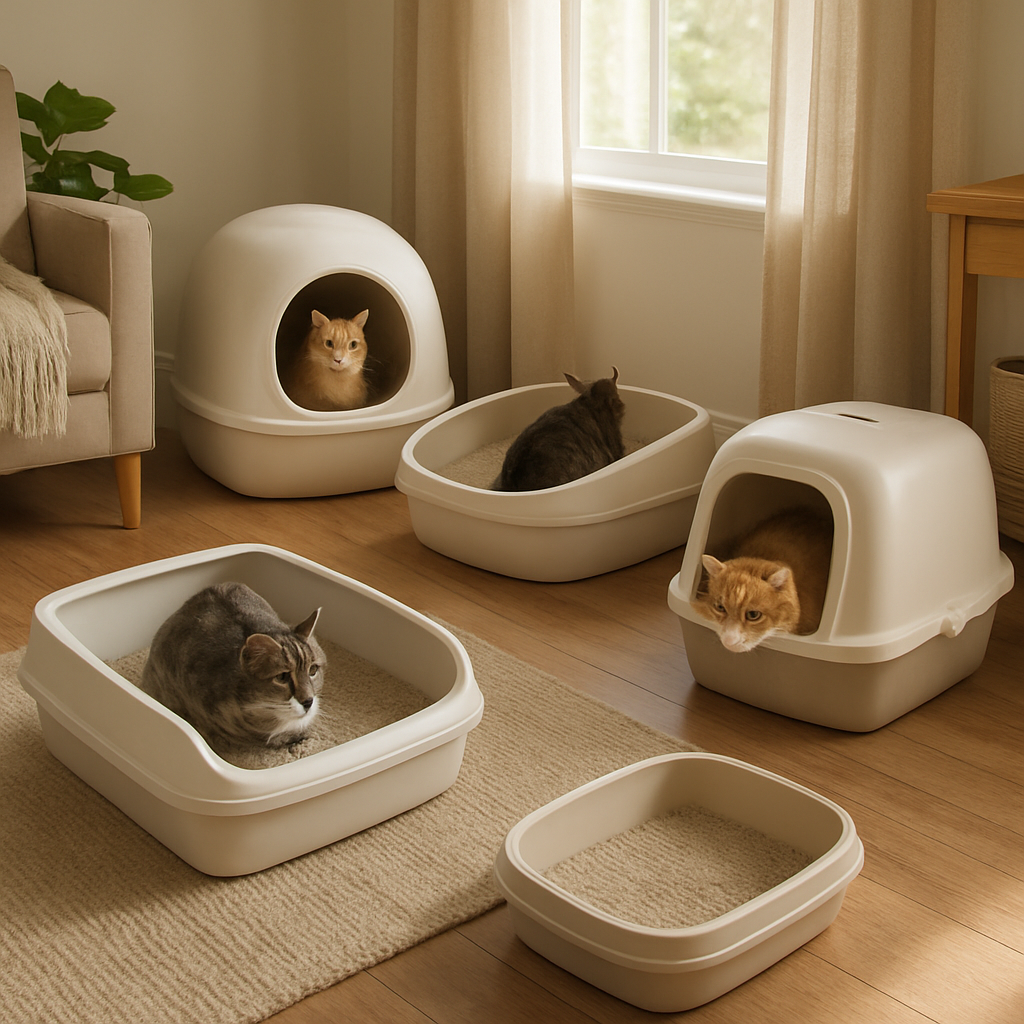
Picture this: you’ve just adopted a second (or third) cat, and the litter box that worked fine for one now feels like a tiny bathroom for a whole crew.
Suddenly the clumps are everywhere, the smell lingers longer, and you’re stepping around a mountain of used litter every time you walk into the room. Does that ring a bell?
We get it. Managing a cat litter box for multiple cats can feel like a never‑ending battle of scoops, odors, and territorial disputes.
But what if there was a way to keep the box clean enough that you barely notice the extra fur‑ball factory?
In our experience, the biggest game‑changer is choosing a box that gives each cat enough space while also making cleanup practically automatic.
Think about the layout of your home: a busy hallway, a quiet corner, or a spare bathroom. Placing the box in a low‑traffic spot can reduce stress, yet you still want easy access for all your feline friends.
Here’s a quick mental checklist you can run through while you’re sipping coffee:
Does that sound doable, or are you still skeptical? That’s normal—switching litter boxes can feel like a big investment.
Don’t worry, you don’t need to replace everything overnight. Start by adding a second box (the rule of thumb is one box per cat plus one extra), and observe how your cats interact.
If you notice any hissing or guarding, it might be the box’s shape or location that’s causing friction.
And remember, a well‑chosen cat litter box for multiple cats not only keeps your floors cleaner but also helps keep your cats happy and healthy, which is the ultimate win‑win.
Ready to make the transition smoother? Let’s dive into the specifics of size, style, and smart features that will turn your multi‑cat household into a tidy, stress‑free zone.
Choosing the right cat litter box for multiple cats gives every feline enough space, cuts odor, and keeps your home cleaner.
Add a second box, pick a low‑traffic spot, and consider a self‑cleaning model with carbon filters to make scooping effortless and maintain peace among your cats, staying happy daily.
Imagine you’ve just set out two litter boxes side by side and watched your cats sniff, circle, and then pick one like they’re choosing a favorite coffee shop. That tiny moment tells you a lot about how each feline perceives space, privacy, and traffic flow.
First thing to notice is size. A cat that stretches out the length of a ruler still needs a box that’s at least one‑and‑a‑half times its body length. If you have a big Maine Coon or a lanky Siamese, give them extra elbow room; a cramped box can turn a simple bathroom break into a territorial showdown.
Some cats love a low‑side entry because their paws don’t have to climb. Others prefer an open top so they can keep an eye on the world while they do business. Walk around your home and watch how each cat approaches the box. Do they hesitate at a high rim? Do they dart straight in when the lid is off? Those clues shape the kind of entry you’ll need.
And remember, cats are creatures of habit. If you’ve recently moved a box to a quieter corner, give them a week to adjust before judging the outcome. Patience here saves a lot of hiss‑filled drama later.
The golden rule is one box per cat plus one extra. That extra box isn’t a luxury; it’s a buffer for moments when one cat is guarding a spot or when you’re cleaning the other. If you have three cats, set up four boxes in low‑traffic, well‑ventilated areas. This reduces stress and keeps odors from building up in a single spot.
Speaking of odors, the type of litter you pair with the box matters. Clumping litter handles heavy use well, while litter with built‑in carbon filters can tame smells in multi‑cat households. We’ve seen pet parents swap to a low‑dust, silica‑gel blend and notice a noticeable drop in the “what’s that smell?” factor within a few days.
So far we’ve talked size, entry, and quantity. What about placement? Put a box near a quiet hallway rather than the bustling kitchen. Cats love a bit of privacy, but they also want easy access. A spot near a door they can slip out of when guests arrive works wonders.
Here’s a quick checklist you can print out and keep on the fridge:
Once you’ve ticked those boxes, you’ll have a solid foundation for a stress‑free litter area. If you’re still unsure whether your current setup meets the needs, try a simple test: place a fresh box in a new spot for a weekend and watch how many cats use it versus the original. The one that sees the most traffic is probably the sweet spot.
While you’re fine‑tuning the litter logistics, you might wonder how to keep the whole household feeling balanced. A quick stretch session for your cats can calm nerves and reduce guard‑marking behavior. Interestingly, a good workout routine for humans can inspire similar routines for pets – check out Wilky’s Fitness for ideas on integrating movement into daily life.
Now that you’ve assessed size, entry, quantity, and placement, the next step will be choosing the right style – open, covered, or self‑cleaning – that fits those parameters. Stay tuned, because the right style can turn a chore into a breeze.
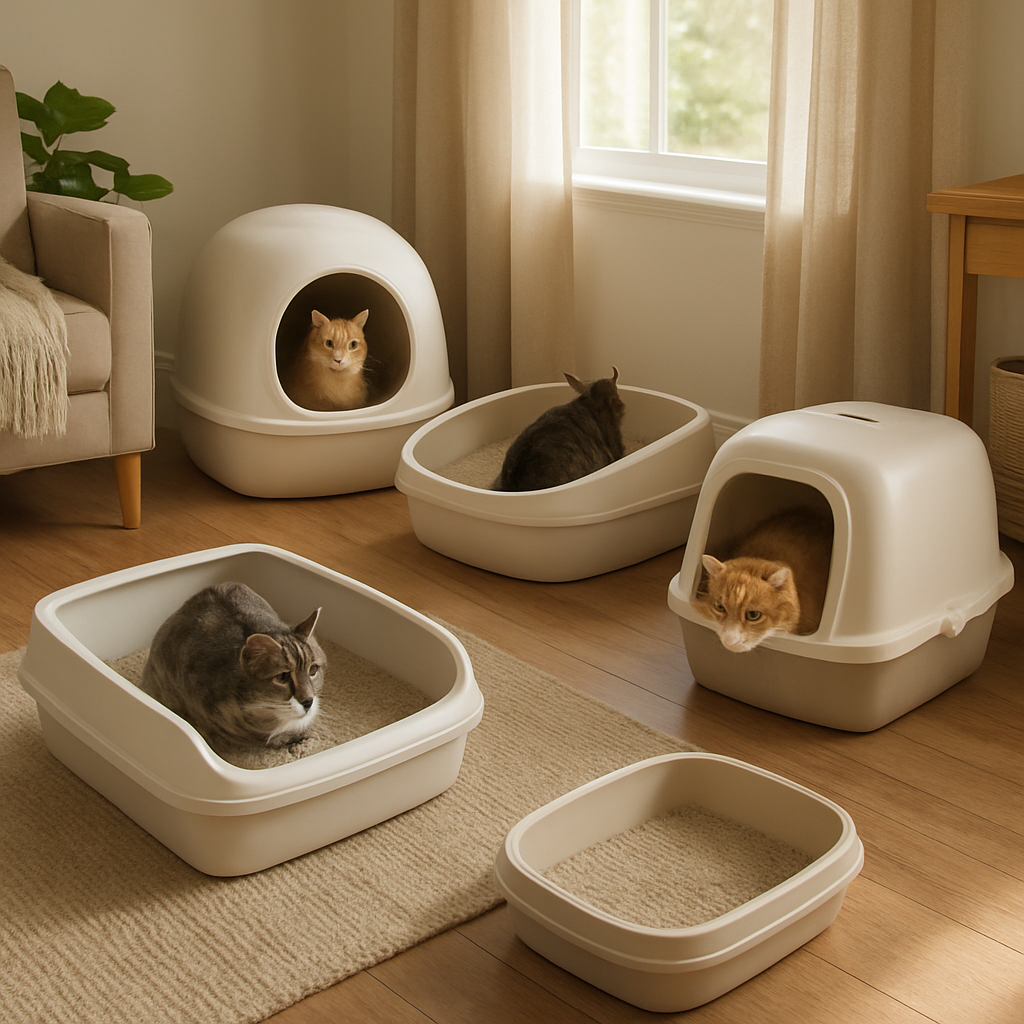
Okay, you’ve scoped out how many boxes you need – now the real fun begins: picking the style that actually works for every cat in the house. It’s not just about looks; the entry, the shape, and the extra features can make or break peace among your fur crew.
Open‑top boxes feel like a wide‑open field to a curious kitten. No walls to bump into, so they dash in and out without a second thought. But an older cat or a shy senior might get startled by that sudden exposure. That’s where a low‑side entry shines – a short ramp or a shallow opening lets a senior step in without having to climb over a high rim.
Covered boxes promise odor control, but they can trap smells inside, turning the box into a stinky cave that some cats avoid. If you go covered, pick one with a wide doorway (at least 12 inches) and good ventilation.
Remember the rule: the box should be at least 1.5 × the length of your biggest cat, measured from nose to tail tip. In a three‑cat home, a 30‑inch‑by‑20‑inch box feels cramped; a 40‑inch‑by‑25‑inch model gives each feline room to turn around and dig without feeling boxed in.
Here’s a quick test: lay a ruler on the floor, measure your cat’s length, then add half that length. If the box feels tight, upgrade – it’s cheaper than dealing with a cat that refuses to use it.
If you’re already juggling scoops, a self‑cleaning system can be a game‑changer. These models whisk away clumps after each use, keeping the litter dry and odor low. We’ve seen households where the automatic unit reduced scooping time by up to 80 % – and the cats loved the consistently fresh surface.
For a deeper dive into the best models, check out our Automatic Cat Litter Box Reviews: Top 5 Models … guide.
Take Maya’s story (a busy cat mom of three): she tried a single covered box for her two adult tabbies and a kitten. The adults started guarding the entrance, and the kitten would wait by the door for hours. After swapping the covered box for a low‑side entry and adding a second open‑top box in a hallway, the tension vanished. Within a day, everyone was using a box they liked, and the smell stayed manageable.
Another example: the Johnsons have a senior Persian who hates stairs. They placed a low‑side box on the ground floor, while the other two cats share a larger open‑top box near the kitchen. The senior now goes straight to its box, and the younger cats have plenty of space to dig.
One last thing: owning multiple cats also means more responsibility. A pet‑insurance policy can give you peace of mind when accidents happen. AMBA Versicherungen offers tailored coverage for cat owners, so you’re covered financially while you focus on keeping the litter boxes clean.
If you’re curious about holistic approaches to keep your cats calm during transitions, you might find some interesting perspectives at Careteam. While it’s not cat‑specific, stress‑reduction techniques can translate into a calmer litter area.
Ever walked into the hallway and found one of your cats hovering near the litter box, looking like it’s waiting for a traffic light? That’s the moment you realize placement is more than just “out of the way” – it’s about giving every feline a clear, private runway to do their business. When the box sits in a spot that feels chaotic or hard to reach, even the most well‑behaved cat will start scouting for alternatives.
So, what should you keep in mind? First, think like a cat: they love quiet corners, a bit of light, and a route that doesn’t force them to sprint past a noisy vacuum or a bouncing toddler. Second, remember the rule of one box per cat plus one extra – and then scatter them wisely.
Grab a piece of paper and sketch the main traffic flow in your home. Mark the kitchen, living room, and any areas where you or your family spend a lot of time. Those are the zones you’ll want to avoid for a litter box, unless you can create a tiny “privacy screen” around it.
Quiet zones are usually under a low‑traffic closet door, a spare bathroom, or a hallway nook that doesn’t double as a play tunnel. Cats appreciate a spot that’s lit enough for them to see the litter, yet tucked away from sudden foot traffic.
If you live in a two‑story house, treat each floor like its own kingdom. Place at least one box on the ground floor and another on the upstairs level. This way, a senior cat isn’t forced to sprint up stairs in the middle of the night, and a curious kitten can dash to a box without having to navigate a hallway full of shoes.
PetSafe’s multi‑cat litter box guide recommends “one box on each floor” as a simple rule of thumb, and we’ve seen that a little extra convenience can cut accidental messes by half.
Privacy doesn’t mean isolation. A covered box can work, but only if the doorway is wide enough for a senior cat and there’s good ventilation. Low‑side entries are a lifesaver for older cats or those with arthritis – they can step in without climbing a high rim.
For homes with dogs or small children, consider a cat‑sized pet door that only your feline friends can push. This keeps curious paws out while still giving your cats free reign to the box.
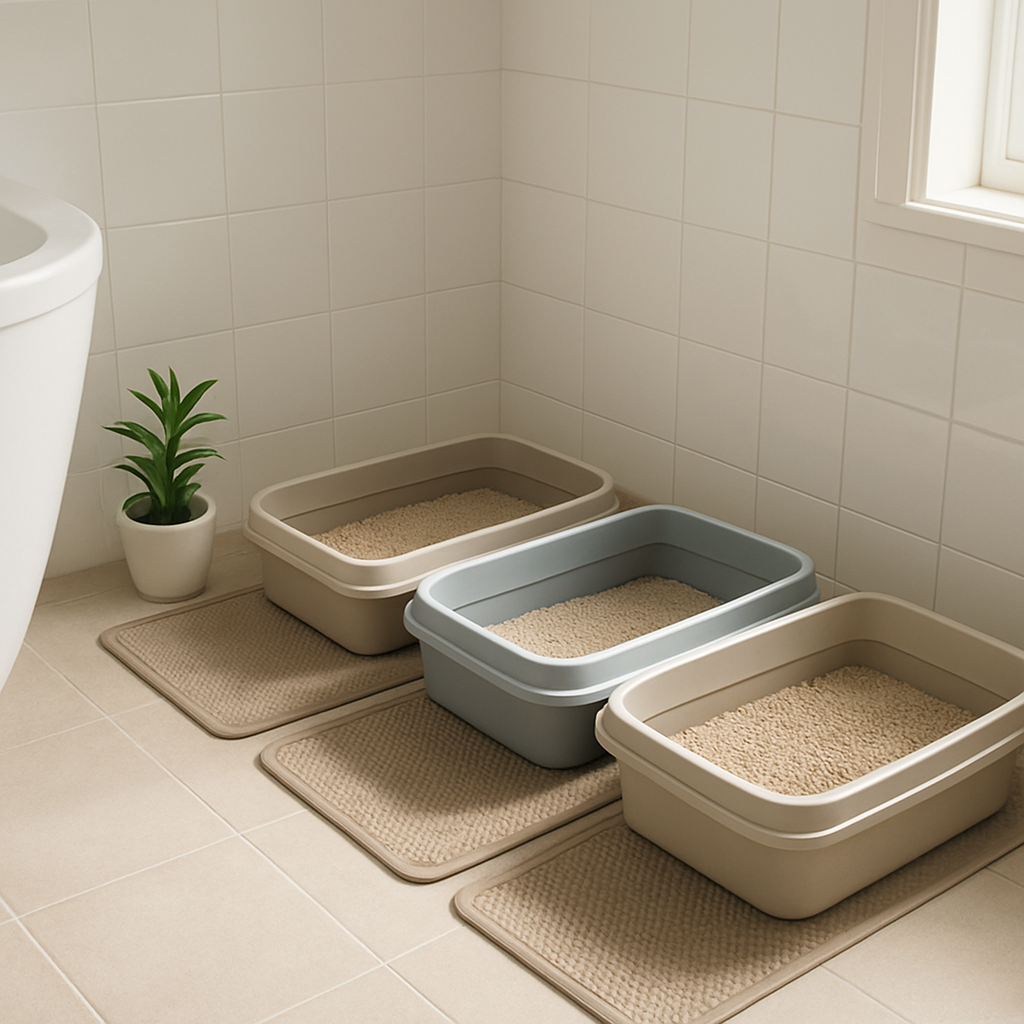
One quick trick we’ve learned at Kaotik kollectionz is to line the floor around each box with a washable runner. It catches stray litter and makes the whole area easier to keep tidy without sacrificing the cat’s sense of space.
Finally, keep a scooping schedule that matches the number of cats using each box. The more cats, the more frequent the clean‑up – a quick daily scoop plus a deep clean once a month keeps odors down and cats happy.
By positioning the cat litter box for multiple cats in smart, low‑stress spots, you’ll notice fewer accidents, calmer cats, and a fresher home. It’s a small logistical tweak that pays big dividends in peace of mind.
Alright, you’ve got the boxes positioned, the right sizes sorted, and the cats are mostly behaving – now it’s time to keep that cat litter box for multiple cats from turning into a science‑lab experiment.
Does the idea of scooping every day sound like a chore you’ll dread? Trust us, it’s easier than you think once you turn it into a quick, almost‑automatic habit.
First thing in the morning (or right after you’re done with coffee), grab your scoop and whisk away any clumps you see. Even if you’re using a clumping litter, a few stray bits left behind can smell up the whole room, especially when three or more cats are sharing the space.
Do a quick visual scan while you’re at it – is the litter level still at least two inches deep? If not, add fresh litter to keep the surface soft and inviting.
Pro tip: keep a small trash‑can or bag right next to the box. Toss the scooped waste straight in; no need to juggle it back to the kitchen.
Once a week, set a timer for ten minutes and give each box a proper wipe‑down. Dump the old litter into a heavy‑duty bag, then scrub the pan with warm, soapy water. A little dish soap does the trick; you don’t need anything fancy.
Rinse well, dry completely, and sprinkle a thin layer of fresh litter before you replace the box. This routine helps prevent the build‑up of urine crystals that can linger even after scooping.
If you’re using a non‑clumping litter, you’ll want to change the entire contents every 2‑3 days instead of just scooping. The ARM & HAMMER cleaning guide explains why non‑clumping litters need more frequent full changes: how often to change cat litter.
Every four weeks, treat the boxes like a mini‑renovation project. Empty the litter, scrub the pan with a mild vinegar‑water solution (1:1 ratio) to neutralize odors, then rinse and dry.
While the pan is drying, take a moment to check the box’s condition – any cracks, warped rims, or worn‑out edges? A damaged box can become a trap for litter and a magnet for bacteria.
Once everything is dry, line the bottom with a washable runner (we love the low‑friction, easy‑wash mats from Kaotik kollectionz). Then add fresh litter and give each cat a quick “welcome back” by placing a treat nearby.
Notice a sudden spike in odor or a cat starting to avoid a box? First, double‑check your scoop schedule – maybe the cats are using the box more often than you thought and need a second daily scoop.
If the scent persists, consider the litter type. Multi‑cat households benefit from litters with strong odor‑control additives; many clumping brands are formulated especially for high‑usage scenarios.
Finally, watch the number of boxes. The classic rule is one box per cat plus one extra, but if you have three cats and only three boxes, you might be squeezing them a bit too tight. Adding a fourth box on the same floor can spread the traffic and give each feline a quieter spot.
Here’s a quick checklist you can print out and stick on the fridge:
Sticking to this rhythm means you’ll spend less time fighting smells and more time enjoying the quirky antics of your cats. Plus, a clean, well‑maintained cat litter box for multiple cats keeps everyone healthier – fewer stress‑related markings, fewer trips to the vet, and a home that feels fresher.
So, grab that scoop, set a timer, and turn maintenance into a habit. Your cats will thank you with consistent box usage, and you’ll finally get to walk through the hallway without holding your breath.
Okay, you’ve got the right number of boxes, the perfect placement, and you’re scooping like a pro. Now the real test is keeping the air in your home from smelling like a cat‑café after dinner.
When a single box gets used by three or more cats, the litter can turn sour faster than you can say “litter box.” Strong smells aren’t just unpleasant—they can trigger territorial marking, stress‑related illnesses, and even make your guests ask if you have a pet store in the hallway.
Veterinarians at Dr. Kathy’s stress that “overcrowding is usually the main issue” and that the “+1” rule helps keep each cat’s bathroom experience private, which in turn reduces odor buildup according to their multi‑cat litter box guide.
1. Scoop at least twice a day. Even if the litter looks clean, clumps release ammonia as they dry. A quick morning scoop and an evening sweep keep the scent from lingering.
2. Keep litter depth at 2‑3 inches. Too shallow and the litter absorbs waste too quickly; too deep and you trap odor‑laden layers at the bottom.
3. Add a light dust‑free deodorizer. A sprinkle of baking soda or a litter formulated with activated carbon can neutralize odors without irritating sensitive noses.
4. Use a washable, low‑friction runner under each box. It catches stray granules that would otherwise spread the smell across the floor.
Set a timer for ten minutes once a week. Dump the old litter into a heavy‑duty bag, scrub the pan with warm, mild dish soap, rinse, and dry completely before refilling. This removes urine crystals that cling to the surface and cause that “sharp” cat‑pee smell.
If you prefer a natural disinfectant, a 1:1 vinegar‑water solution works wonders. It’s safe for cats, cuts bacteria, and leaves a faint scent that actually masks litter odor rather than adding to it.
First, double‑check your scoop schedule. More cats means more frequent waste, so you may need a third quick scoop on especially busy days.
Second, evaluate the litter type. Clumping litters with odor‑control additives are designed for high‑traffic homes; if you’re using a plain non‑clumping brand, consider switching.
Third, add an extra box in a different room. Even a temporary “spare” box gives each cat a fresh surface and can dramatically lower the overall scent level.
Remember, the goal isn’t to eliminate every whiff—cats need a scent to feel secure—but to keep the aroma at a level where you can walk past the hallway without holding your breath.
Finally, give yourself a pat on the back. Managing odor in a multi‑cat home feels like a science experiment, but with a consistent routine and a couple of smart tweaks, you’ll keep both your cats and your nose happy.
We’ve gotten the boxes set up, the litter chosen, and the routine in place. Still, something feels off? Maybe the odor is stronger than you like, or one of your kitties is skipping the box altogether. This is the part where we roll up our sleeves and troubleshoot, because a smooth‑running cat litter box for multiple cats is totally doable.
First, take a quick mental note of what’s actually happening. Is the problem a single cat avoiding a box, a sudden stink, or litter everywhere? Pinpointing the symptom makes the solution a lot less guess‑work.
When a cat stops using the litter box, it’s rarely “being spiteful.” Most often it’s stress, a medical hiccup, or a box that just doesn’t feel right. The reasons cats avoid the litter box include placement, size, type of litter, and even subtle changes in the household.
Step 1: Rule out health issues. A quick vet visit can catch urinary problems or arthritis that make a high‑rim box painful.
Step 2: Check the box itself. Is it big enough? A good rule is at least 1.5 × the length of your biggest cat. If the walls are too high, try a low‑side entry or a larger plastic storage box.
Step 3: Look at the litter. Unscented clumping sand is a safe bet for most cats. If you switched brands recently, re‑introduce the old litter gradually so noses can adjust.
Step 4: Re‑evaluate placement. Boxes should be in quiet, low‑traffic spots, away from food and water. If you moved a box even a few inches, move it back slowly over several days.
Even with perfect scooping, a multi‑cat home can develop a whiff that makes you wince. The culprit is usually a combination of litter depth, scoop frequency, and ventilation.
Tip: Keep the litter 2‑3 inches deep. Too shallow and waste hits the bottom; too deep and the lower layers become a breeding ground for ammonia.
Tip: Scoop at least twice a day. If you have three cats, a third quick scoop after dinner can keep the scent at bay.
Tip: Add a light, dust‑free deodorizer—baking soda works wonders without irritating sensitive noses.
If the smell persists, add an extra box in a different room. More fresh surface means each cat gets a cleaner spot, and the overall odor drops dramatically.
Nothing beats stepping on a carpet of granules right after you’ve just scooped. The usual suspects are low‑friction mats that are either too small or missing altogether.
Solution: Place a washable runner that’s at least 18‑24 inches wide around each box. It catches stray litter and makes clean‑up a breeze.
Another quick fix: Choose a litter with larger granules that stick less to paws, or try a wood‑pellet option if your cats tolerate it.
| Issue | Possible Cause | Fast Fix |
|---|---|---|
| Cat skips box | Box too small or high‑rim | Swap to larger low‑side entry box |
| Strong odor | Insufficient scooping / deep litter | Scoop twice daily, keep depth 2‑3 in, add deodorizer |
| Litter everywhere | No runner or small mat | Lay down a 24‑inch washable runner |
Keep this mini‑checklist on your fridge: watch for avoidance, smell, and stray granules. If any of them show up, run through the corresponding quick fix.
Remember, troubleshooting is just fine‑tuning. One small adjustment—like moving a box a foot or adding a runner—can turn a chaotic multi‑cat bathroom into a calm, fresh space. You’ve already mastered the big picture; now it’s time to polish the details and enjoy a litter‑box‑free home.
We’ve walked through everything from sizing the box to keeping odor at bay, so you can finally breathe easy in a home that works for every cat.
Remember the golden rule: one box per cat plus one extra, low‑side entries for seniors, and a washable runner to catch stray granules. If you’ve added a second box and noticed fewer accidents, you’ve already nailed the basics.
So, what’s the next step? Grab a tape measure, count your cats, and set up that extra box in a quiet corner you haven’t tried yet. Then schedule a quick daily scoop—just two minutes, coffee in hand, and you’ll keep the smell down without a marathon cleaning session.
Give yourself a pat on the back—taming a multi‑cat litter area isn’t magic, it’s consistent tweaks. If you ever feel stuck, our Kaotik kollectionz guides are just a click away to spark the next improvement.
Ready to turn that chaotic bathroom into a calm, fresh zone? Start with one small change today and watch the whole household thank you again now for everything.
We usually tell cat lovers to aim for “number of cats + one.” So if you have three felines, set out four boxes. That extra spot gives a quiet fallback when one box gets busy or a senior cat needs a low‑side entry. It also spreads traffic, which cuts down on guarding and keeps odor in check.
Measure the longest cat from nose to tail tip, then multiply by 1.5. A box that’s at least 40‑inches long for a big Maine Coon gives plenty of room to turn around. Depth matters, too—aim for a 5‑inch‑high side wall so the litter stays inside even when multiple cats dig at once.
Low‑side entries are a safe bet for seniors or arthritic kitties because they don’t have to climb over a rim. Open‑top boxes feel roomy for kittens and active cats. Covered boxes can trap smells, which some cats avoid, but if you pick one with a wide doorway and good ventilation it can work. Mix‑and‑match based on each cat’s preference.
Two scoops a day is a solid baseline—once in the morning, once in the evening. With three or more cats, add a quick midday scoop if the box looks busy. Deep‑clean weekly: dump the litter, wash the pan with warm soapy water, rinse, dry, and refill. A monthly vinegar‑water soak helps neutralize lingering odors.
Clumping litters with activated‑carbon additives are a favorite among pet parents because they lock in ammonia right at the source. If you prefer a natural option, pine or wood‑pellet litters absorb moisture and smell without added fragrance. Keep the litter depth at 2‑3 inches; too shallow means waste hits the bottom faster, too deep traps old waste.
Start by ensuring each cat has its own “personal” box—different locations, maybe a low‑side for the senior and an open‑top for the kitten. Observe which box gets most traffic and add another if one spot is constantly crowded. Adding a washable runner around each box catches stray granules, reducing mess that can trigger territorial disputes.
If you’re juggling three or more cats and find yourself scooping for minutes every day, a self‑cleaning unit can shave that time down dramatically. They automatically rake clumps after each use, keeping the surface fresh and odor low. Just watch the maintenance schedule—most models need a weekly empty‑and‑clean cycle and a filter change every few months.







Leave a comment