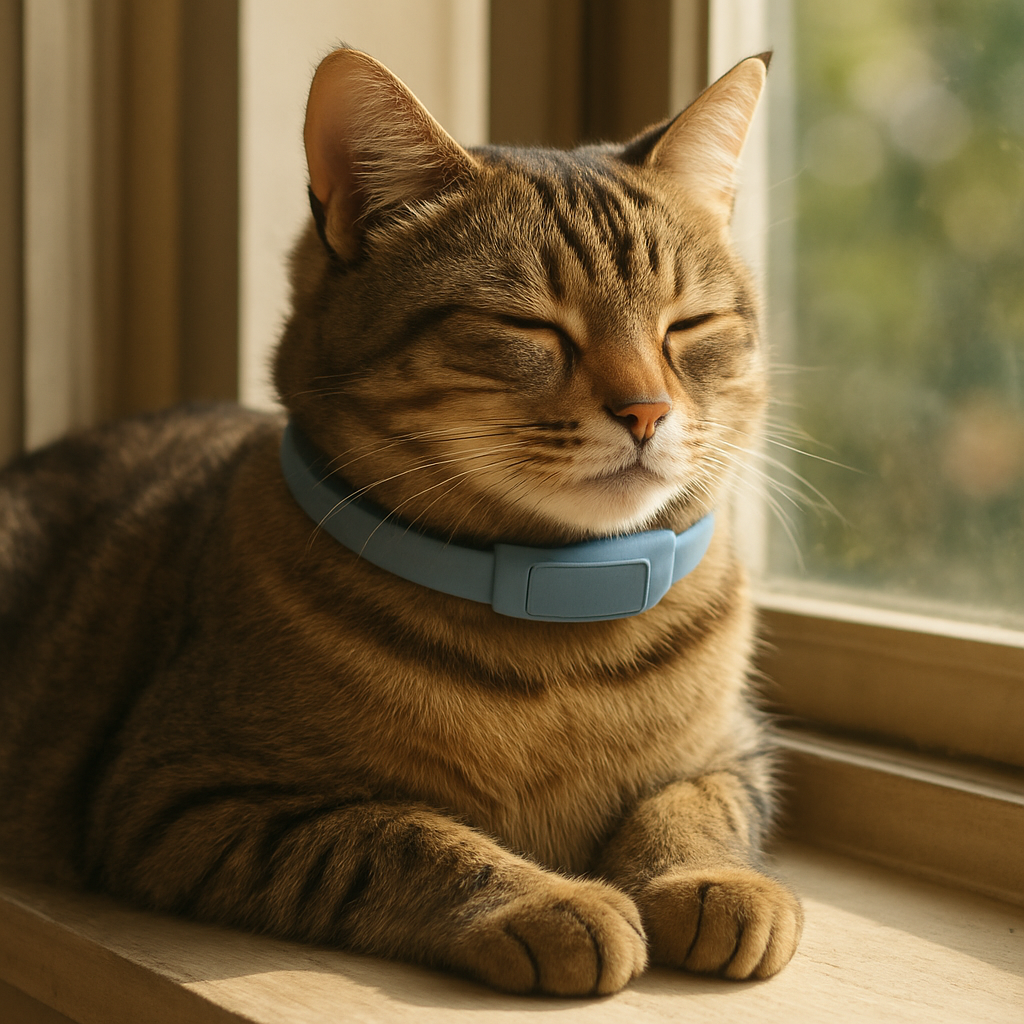
Picture this: you hear that familiar click of a collar as you snap it onto your cat, hoping it’ll melt away the stress that’s been turning your living room into a tiny battlefield.
But does that little band actually calm a feline, or is it just another piece of pet‑gear that looks good on the shelf?
In our experience at Kaotik kollectionz, we’ve watched cat lovers try everything from pheromone sprays to herbal tinctures, and the calming collar often sits right in the middle of the debate.
The science behind most collars is pretty simple – they release synthetic pheromones that mimic the ones kittens produce when they’re nursing. Those scents can signal safety and reduce anxiety for some cats, especially the ones that get jittery during vet visits or fireworks.
Still, not every cat reacts the same. You might notice your tabby lounging peacefully after a few minutes, while your senior cat just swats the collar off and darts under the couch.
So, what should you look for? First, check the concentration of the active ingredient – a low‑dose formula is usually enough for a shy indoor cat, but a stronger blend might be needed for a high‑energy outdoor explorer.
Second, give it time. Most collars need a 24‑to‑48‑hour window to saturate the fur and let the scent linger in the air. Expect a gradual shift rather than an instant miracle.
And here’s a tip most people skip: pair the collar with a consistent routine. A calm feeding schedule, a safe perch by the window, and a few minutes of gentle play can amplify the collar’s effect.
If after a week you still hear the same frantic meows, it might be a sign the collar isn’t the right fit. Every cat is unique, and sometimes a calming spray or a diffused plug‑in works better.
Bottom line? Calming collars can work for cats, but they’re not a one‑size‑fits‑all solution. They’re a tool in a larger toolbox of stress‑relief strategies.
Ready to find out if a collar is worth a try for your whiskered friend? Let’s dive deeper into the pros, the cons, and the real‑world results you can expect.
If you’ve wondered whether calming collars work for cats, the answer is: they can help some felines, but results vary based on personality, dosage, and environment.
Give the collar 24‑48 hours, pair it with a routine, and watch for calmness before deciding if it’s the right tool for your pet.
Ever wonder what actually happens when you snap a calming collar onto your cat’s neck? It’s not magic, but it does tap into a very real chemical language cats use every day.
In the wild, a kitten releases a sweet, milky‑scented pheromone while nursing. That scent tells the mother “I’m safe, I’m fed, I’m relaxed.” Scientists have isolated that same compound and bottled it for us to sprinkle—or, in this case, to let drift from a collar.
Most collars mimic either facial pheromones (the ones cats rub on furniture and people) or the maternal pheromone that soothes kittens. Facial‑type collars are best for single‑cat homes; they create a “this spot is safe” vibe wherever your cat wanders. Maternal‑type collars are marketed for multi‑cat households, where the goal is to dampen tension between roommates.
That distinction matters. If you’ve got a shy indoor tabby, a facial‑pheromone collar will likely feel more natural. If you’re juggling three feisty felines who occasionally hiss at each other, the maternal blend might do the trick.
The collar’s tiny reservoir slowly releases the synthetic pheromone onto the fur. As your cat grooms, the scent spreads onto their whiskers, paws, and eventually the air around them. Because the collar is on 24/7, the “calm signal” is constant—unlike a spray that fades after a few minutes.
Most manufacturers recommend a 30‑day lifespan. After that, the scent weakens, and you’ll start to notice the calming effect dip.
Take Maya’s story (not a real name, just a typical scenario). She has a senior gray cat who gets anxious during thunderstorms. After putting a facial‑pheromone collar on for a week, Maya noticed the cat stayed on the windowsill instead of darting under the couch. The calm lasted for the duration of the storm, then gradually faded as the storm passed.
Contrast that with Jake, who tried the same collar on his high‑energy orange tom who hates anything on his neck. The cat immediately tried to chew it off and spent the next hour hiding. In Jake’s case, a diffuser in the living room was a better fit because the cat refused the collar altogether.
If you’re curious about potential side effects or want to compare formulas, our deep dive on Understanding Calming Collar for Cats Side Effects walks you through what to watch for.
And remember, a collar isn’t a cure‑all. Pair it with enrichment—like a new scratching post or short daily play bursts—and you’ll give your cat the best chance to stay chill.
So, does the science back up the hype? The answer is yes, but with a big “maybe.” Cats are individuals; some will breeze through the calming signal, while others need a different approach. The key is to observe, adjust, and keep the environment as predictable as possible.
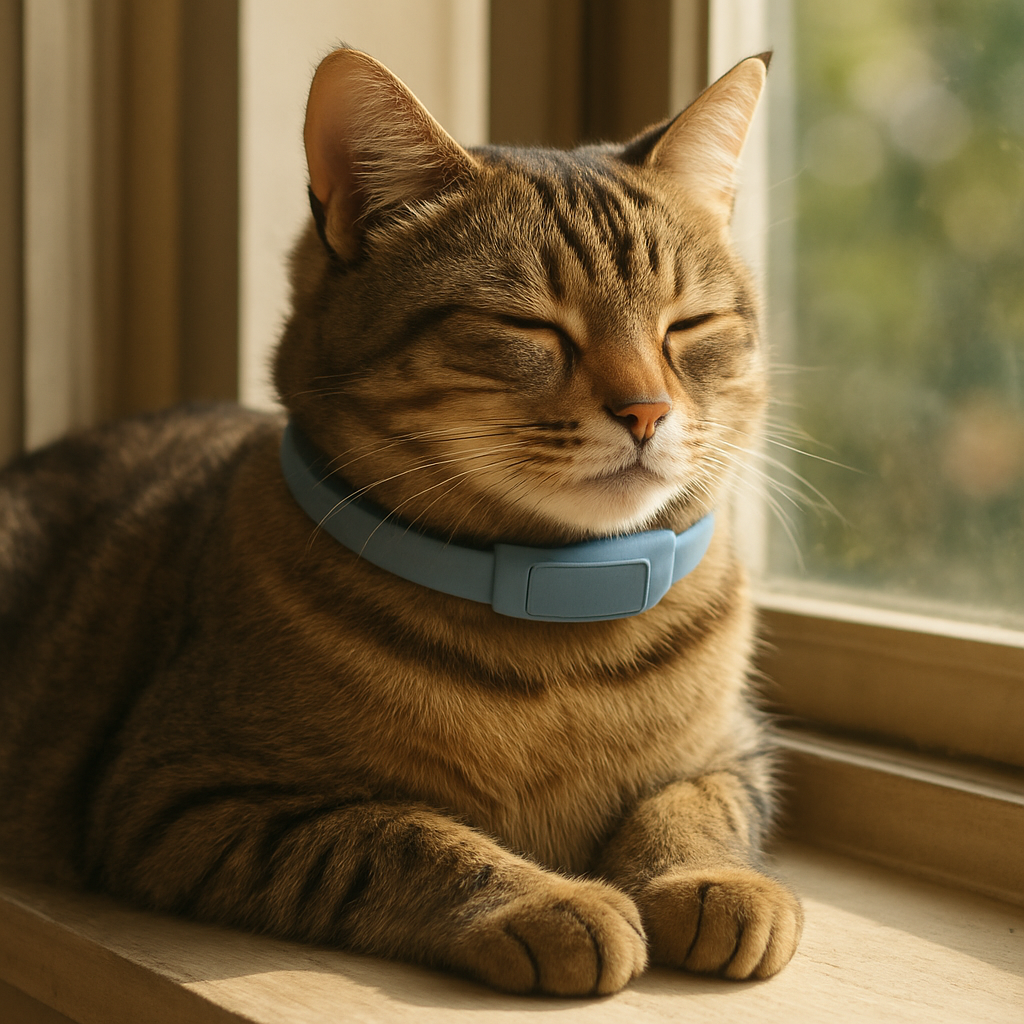
When you pop a calming collar on your cat, you’re basically handing them a tiny scent diffuser that works 24/7. The magic lives in the active ingredients, and understanding what they do can help you decide whether the collar is the right tool for your whiskered friend.
Most collars rely on synthetic feline facial pheromones. These molecules mimic the calming signal kittens emit while nursing. When a cat smells that familiar scent on their fur, their vomeronasal organ picks it up and sends a “I’m safe” message to the brain. For many indoor cats, that translates to fewer frantic meows, less scratching, and a calmer perch‑watching routine.
Facial‑type formulas are designed for single‑cat households. They reinforce the idea that the cat’s personal space is a safe zone. You’ll often see language like “helps reduce spraying and marking” because the scent tells the cat there’s no need to re‑declare territory.
One thing we’ve noticed at Kaotik kollectionz is that owners of shy, indoor tabbies tend to see a noticeable drop in hide‑under‑the‑bed behavior after the first 24‑48 hours. The collar’s steady drip of pheromone keeps the signal present even when you’re not home.
Maternal blends target multi‑cat homes. They echo the soothing, milk‑scented pheromone a mother cat releases to keep kittens calm. The effect is a subtle “let’s get along” vibe that can ease tension between roommates who would otherwise hiss at each other’s scent marks.
Think about the time you introduced a new kitten and the older cat started a nightly “standoff” on the living‑room rug. A maternal‑type collar can sometimes smooth that rough patch, but it’s not a magic fix; you’ll still want to give both cats plenty of high places and separate resources.
Some newer collars toss in calming herbs like valerian root, chamomile, or passionflower. While the research is still thin, PetMD notes that these botanicals can influence neurotransmitter activity and may give a gentle boost to the pheromone base.
In practice, we’ve heard from a handful of cat parents who tried a herb‑infused collar on a cat that was nervous about car rides. The cat seemed a bit more relaxed during the short trip, but the real win was that the owner didn’t have to resort to a prescription sedative for a quick vet visit.
Don’t assume “bigger is better.” Most collars contain a low‑dose reservoir that’s calibrated to release just enough scent to coat the fur over a 30‑day period. Over‑concentrated formulas can actually overwhelm a cat’s sensitive nose, leading to sniff‑avoidance or even irritation.
Our rule of thumb: start with the standard dose, give it a full day to saturate the fur, then watch the cat’s behavior. If you notice persistent redness or the cat constantly scratching the collar, swap to a fragrance‑free, breakaway model.
So, how do you match the right ingredient to your cat’s stress profile?
Remember, a collar is just one piece of the puzzle. Pair it with predictable feeding times, enrichment toys, and a safe perch, and you’ll give your feline the best chance to stay chill.
After the video, take a moment to observe your cat’s routine. Does the collar seem to stay in place? Is your cat grooming less obsessively? Those little cues will tell you whether the ingredients are doing their job or if it’s time to explore a diffuser or a calming spray.
So you’ve tried the diffuser, the spray, maybe even a calming blanket – and now you’re wondering if a collar is worth the extra click. Let’s break it down in plain‑talk, because you deserve to know exactly what you’re putting around your cat’s neck.
First off, the biggest win is convenience. A collar works 24/7, no refills, no batteries, no remembering to snap a spray on the couch before the fireworks. Once you clip it on, the scent drips onto the fur and follows your cat wherever they roam.
Because the pheromone (or herbal blend) is released slowly, you get a steady “I’m safe” signal rather than a burst that fades after a few minutes. In our experience, cats that are skittish about vet trips or sudden thunderstorms often settle down after the first 24‑48 hours – the time it takes for the scent to saturate the fur.
Another pro is the “hands‑free” factor. If you have multiple cats, you can fit a facial‑type collar on each and let the calming field overlap. That way you don’t have to juggle diffusers in every room.
And let’s not forget the natural‑herb angle. Some collars are filled with dried valerian, chamomile, or passionflower, which herbal calming collars claim can add a gentle boost to the pheromone base. For pet parents who prefer drug‑free options, that’s a comforting detail.
Bottom line on the pros: easy to use, continuous coverage, and a natural‑herb bonus for those who want it.
Now, the cons. Not every cat tolerates a collar. Some felines treat anything around their neck as a toy, a threat, or simply an irritation. If your cat starts pawing at it, trying to chew it off, or hides in the closet for hours, that’s a red flag.
Skin irritation is another real concern. A poorly fitted or low‑quality collar can cause redness, hair loss, or a sore spot. That’s why a breakaway buckle is a must‑have – it snaps open under pressure, keeping your cat safe.
Because the scent is released onto the fur, grooming habits can affect effectiveness. A meticulous groomer who spends an hour each day licking their coat may strip away the pheromone faster than you’d think, shortening the collar’s active life.
And here’s the practical snag: the scent potency fades after about 30 days. If you forget to replace it, you’ll start seeing the calmness dip without even realizing the collar is the culprit.
Finally, there’s the cost‑vs‑benefit equation. While many collars are reasonably priced, the “try it, love it, or get a refund” promise you might see on other brands doesn’t always apply to every market. You could end up spending a month’s supply on a product that simply isn’t a fit for your cat’s personality.
So, what should you do if the cons start stacking up? Swap to a fragrance‑free, breakaway model, or try a diffuser in the room where your cat spends most of its time. Sometimes a combo approach – collar for baseline calm, diffuser for extra coverage during fireworks – works best.
Overall, the decision comes down to your cat’s temperament and your willingness to monitor the collar’s fit and scent level.
Does this help you decide whether a calming collar is right for your whiskered roommate?
Take a minute to watch your cat’s reaction after you first snap it on. If they seem indifferent or, better yet, a tad more relaxed, you’ve probably found a tool that fits. If they start swatting, grooming excessively, or looking uncomfortable, it’s time to reassess.
Remember, a collar is just one piece of the stress‑relief puzzle. Pair it with consistent feeding times, enrichment toys, and a safe perch, and you’ll give your cat the best chance to stay chill.
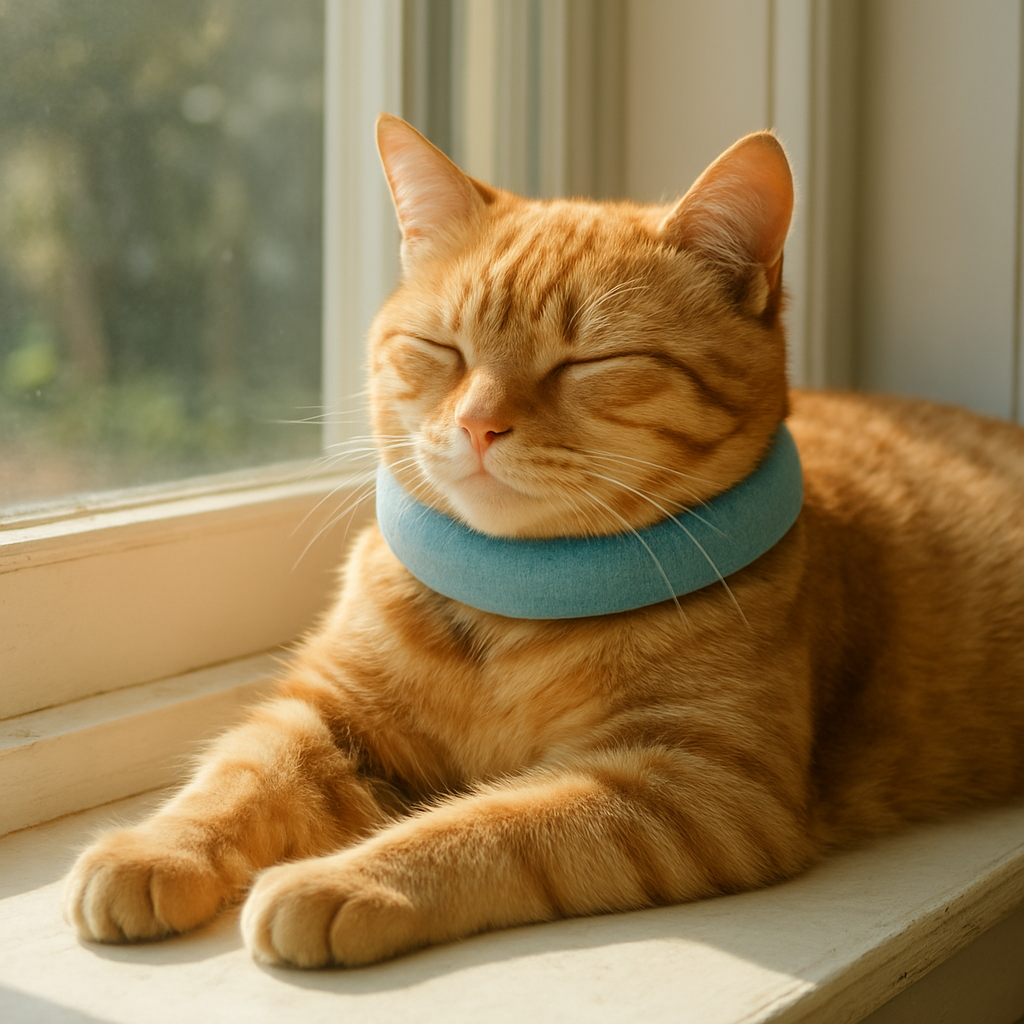
If you’ve been scrolling through endless product pages, you’ve probably wondered which calming collar actually lives up to the hype.
Below is a down‑to‑earth comparison of the most talked‑about brands we see cat lovers reaching for, so you can spot the one that matches your kitty’s personality and your peace‑of‑mind budget.
Feliway Classic Collar – the market leader that leans on synthetic facial pheromones. It’s a 30‑day, breakaway‑ready design that many vets recommend for single‑cat homes.
Sentry Calming Collar – a newer player that mixes facial pheromones with a hint of valerian root. The herbal boost aims to soothe especially jittery cats during fireworks.
Comfort Zone Herbal Collar – marketed as an all‑natural option. It swaps synthetic pheromones for a blend of chamomile, passionflower, and a low‑dose maternal pheromone, housed in a soft silicone band.
Pet Remedy™ Stress‑Less Collar – a budget‑friendly choice that uses a lower concentration of the same facial pheromone found in Feliway, but without a breakaway clasp.
So, how do you decide which of these actually works for your whiskered roommate?
Pheromone type matters. Facial‑type signals “this spot is safe,” which usually helps shy indoor cats. Maternal‑type blends are meant to smooth tension in multi‑cat households. If your home is a solo‑cat sanctuary, the facial formulas from Feliway or Sentry tend to be the safest bet.
Breakaway safety is non‑negotiable. A collar that snaps under pressure can prevent choking if a curious cat tries to bat it off. That’s why we put the breakaway models—Feliway and Sentry—at the top of our recommendation list.
Duration and scent strength. Most collars are designed for a 30‑day life span. After that, the reservoir runs low and you’ll notice the calmness fade. Keep an eye on grooming habits; a fast groomer can wear the scent down quicker.
Herbal additives are a nice bonus, but they aren’t a magic cure. Chamomile or valerian can add a gentle, sedative feel, yet the core pheromone still does the heavy lifting. If your cat is sensitive to smells, test a short‑term, fragrance‑free model first.
Does your cat prefer a subtle scent or can it handle a stronger blend?
| Brand | Pheromone Type | Breakaway? | Duration | Notable Pro/Con |
|---|---|---|---|---|
| Feliway Classic | Facial | Yes | 30 days | Vet‑trusted; higher price |
| Sentry Calming | Facial + valerian | Yes | 30 days | Herbal boost for fireworks |
| Comfort Zone Herbal | Maternal + herbs | No (soft silicone) | 30 days | All‑natural; no breakaway |
| Pet Remedy Stress‑Less | Facial (low dose) | No | 30 days | Budget‑friendly; lacks safety clasp |
In practice, we’ve seen a shy gray tabby settle into a sunny windowsill within 24 hours on a Feliway collar, while a hyperactive orange tom needed the extra herbal kick from Sentry to stop pacing during thunderstorms. The same cat might ignore a budget collar altogether if the breakaway clasp feels stiff.
Your next step? Match the brand to the three questions below: Is your cat a solo‑player or part of a clan? Does it tolerate a collar or does it try to ditch it? Do you need a herbal boost for extra calm during high‑stress events?
Answering those will narrow the field down to one or two contenders, and you can try them risk‑free for 30 days. If you don’t notice a change, it’s perfectly fine to swap for a diffuser or a calming spray instead.
So you’ve asked yourself, “do calming collars work for cats?” and you’ve already picked a brand that looks promising. The next step isn’t just clipping it on and hoping for the best – it’s about getting the fit right, activating the scent properly, and watching the subtle cues that tell you it’s actually doing its job.
Measure around the base of your cat’s neck with a soft tape or a piece of string. You’ll want a snug but not tight fit – think “two fingers can slide between the collar and the fur.” If the band is too loose, your cat will paw at it; too tight and you risk restricting breathing or causing irritation.
Every reputable calming collar should have a safety clasp that releases under pressure. Give it a gentle tug. It should snap open easily, but not so easily that a playful swipe will undo it every few minutes. A reliable breakaway is the difference between a helpful tool and a potential choking hazard.
Most collars come sealed in a protective pouch. Once you open it, the scent reservoir starts releasing pheromones or, in the case of some natural‑herb models, cat‑mint extract. For example, the Felisept calming collar uses a patented polymer matrix that begins diffusing Nepeta Cataria (real cat‑mint) as soon as the bag is cut open. You’ll notice a faint, fresh aroma – that’s the good sign.
Slide the collar over your cat’s head while they’re calm – perhaps after a short play session or a gentle grooming brush. Position it so the breakaway clasp sits at the back of the neck, away from the ears. Make sure the excess tail end is trimmed cleanly behind the clasp; a loose tail can get tangled or caught.
Don’t expect an instant transformation. The pheromone needs time to coat the fur, whiskers, and paws. During the first day, keep an eye on grooming behavior. If your cat is over‑grooming the collar, it might be too strong or the fit is off.
Check the skin under the band once a day. A tiny amount of redness is normal, but persistent redness, hair loss, or a scabbing patch means you should remove the collar immediately. In that case, swap to a fragrance‑free, breakaway model and give your cat a few days to recover before trying again.
Keep a simple log: note the date you put the collar on, any behavior changes (less meowing, calmer perching, reduced scratching), and any side effects. After about a week, you should see whether the collar is nudging your cat toward a more relaxed state. If nothing changes, it’s okay to try a different pheromone type or a diffuser instead.
Most collars are designed for roughly 30 days of continuous release. When the scent fades – you’ll often notice your cat’s calmness dipping – replace it with a fresh one. Forgetting this step is a common reason people think “the collar didn’t work.”
Quick checklist for the busy pet parent:
Remember, a collar is just one piece of the puzzle. Pair it with a predictable feeding schedule, a cozy perch, and short daily play bursts, and you’ll give your feline the best chance to answer “yes” when you ask, “do calming collars work for cats?”
In short, they can work – but not for every feline. The collars release synthetic pheromones that mimic the soothing signals kittens emit while nursing. When the scent coats your cat’s fur, it can signal safety and reduce anxiety in many cats. That said, personality matters: a shy indoor tabby often responds, while a highly active tom might ignore it entirely. The key is giving it 24‑48 hours to saturate the coat before judging the effect.
Most owners notice a subtle shift within the first day, but the real calming effect usually settles in after 24–48 hours. During that window the pheromone is soaking into the fur and whiskers. If you’re still hearing frantic meows or seeing frantic pacing after two days, consider whether the fit is right, if the cat is over‑grooming the collar, or if a different pheromone type might suit better.
Yes, a poorly fitted or low‑quality collar can irritate delicate skin. Look for a breakaway clasp and a snug‑but‑loose fit – you should be able to slip two fingers under the band. Check the area daily for redness, hair loss, or scabbing. If any of those show up, remove the collar immediately and switch to a fragrance‑free, breakaway model before trying again.
Facial‑type collars copy the scent cats leave on furniture and people, signaling “this spot is safe.” They’re best for single‑cat households or shy indoor cats. Maternal‑type collars mimic the soothing milk‑scent a mother cat gives her kittens, helping multi‑cat homes reduce tension. Choosing the right type aligns the signal with your cat’s specific stress triggers, boosting the chance the collar will actually help.
Absolutely. Think of the collar as one piece of a larger puzzle. Consistent feeding times, a cozy perch, short daily play sessions, and even a diffuser in the room where your cat spends most of its time can amplify the pheromone’s effect. When you layer these habits, you create a predictable environment that reinforces the “I’m safe” message the collar is trying to send.
Most collars are designed for about 30 days of steady scent release. When the fragrance starts to fade – you’ll often notice your cat’s calmness dip – it’s time for a fresh one. Setting a calendar reminder helps you swap it out before the potency drops, preventing the false impression that the collar “didn’t work” when it was simply out of scent.
If your cat tries to chew it off, hides, or shows stress around the collar, don’t force it. Some cats just won’t tolerate anything around their neck. In that case, a diffuser or a calming spray placed near their favorite spot can deliver the same pheromone without the hardware. It’s okay to experiment – the goal is calm, not a collar at any cost.
We’ve walked through the science behind synthetic pheromones, the key ingredients, and the real‑world pros and cons. So, do calming collars work for cats? The short answer: they can, but only for the right cats in the right setting.
If your feline is shy, enjoys a consistent routine, and tolerates a soft breakaway band, you’ll likely notice a drop in meowing or hiding within a day or two. A high‑energy tom who hates anything around his neck, or a cat that over‑grooms, probably won’t benefit.
That’s why we always stress pairing the collar with predictable feeding times, a favorite perch, and short play bursts. Think of the collar as a steady background note, not a magic wand.
Give the collar 24‑48 hours to saturate the fur, log any behavior shifts, and set a calendar reminder to swap it out after about 30 days. If redness or irritation appears, remove it immediately and try a fragrance‑free, breakaway version.
Still on the fence? Grab a low‑dose, breakaway model, watch your cat for a week, and decide if the calm is worth the investment. You’ll either see the peace you hoped for or know it’s time to explore a diffuser or calming spray.
At Kaotik kollectionz we’ve curated a handful of vetted collars that meet those safety standards, making the trial step a little easier for pet parents. Happy testing, and here’s to calmer evenings with your whiskered companion!







Leave a comment